
Prednisone Mood Swing Risk Assessment
This tool helps you understand your personal risk of experiencing mood swings while taking prednisone. Based on your dosage, treatment duration, and medical history, you'll receive personalized risk assessment and coping strategies.
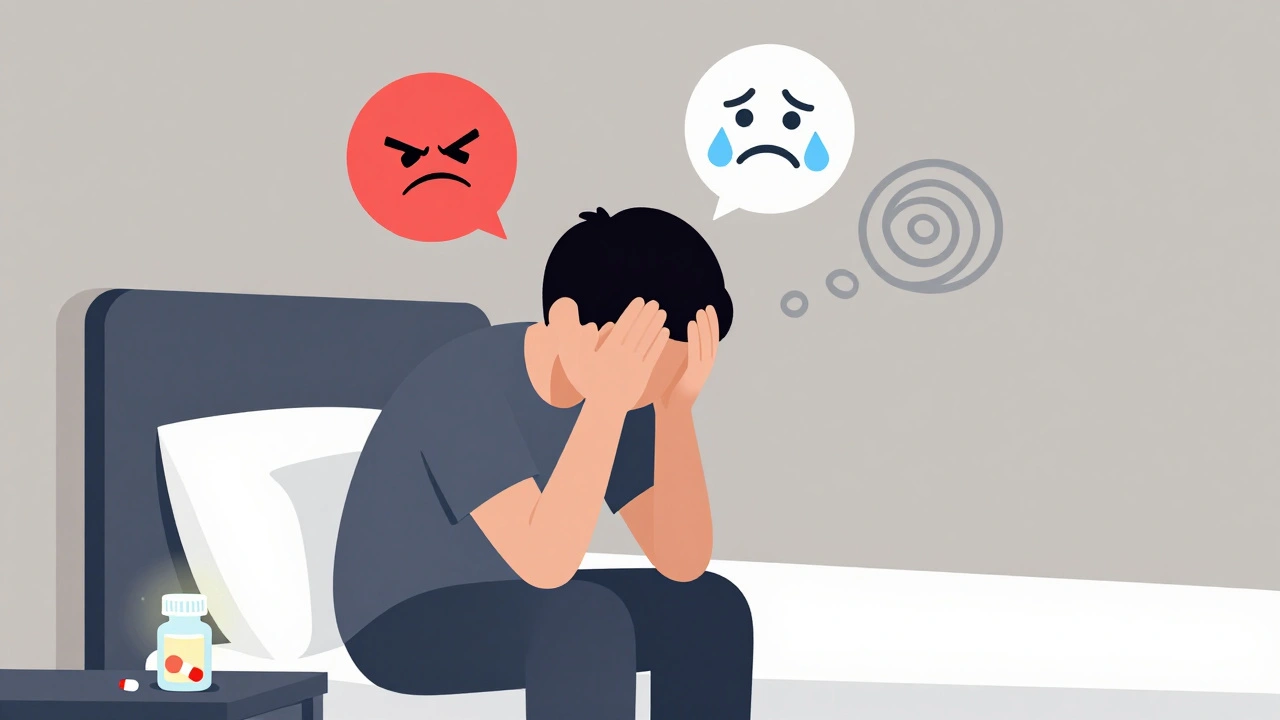
When you start taking prednisone, you might expect swelling, weight gain, or trouble sleeping. But few people warn you about the prednisone mood swings-the sudden anger, the crying for no reason, the feeling that you’re not yourself anymore. If you’ve been on this medication for more than a few days and feel like you’ve lost control of your emotions, you’re not alone. Up to 47% of people taking prednisone experience noticeable mood changes, according to research from the American Journal of Psychiatry. These aren’t just "bad days." They’re real, biologically driven shifts in how your brain works.
Why Prednisone Changes Your Mood
Prednisone isn’t just an anti-inflammatory drug. It’s a synthetic version of cortisol, your body’s natural stress hormone. When you take it, your brain doesn’t know the difference. Within an hour of swallowing a pill, prednisone crosses into your bloodstream and reaches your brain, where it directly affects the amygdala and prefrontal cortex-the areas that control fear, emotion, and decision-making.
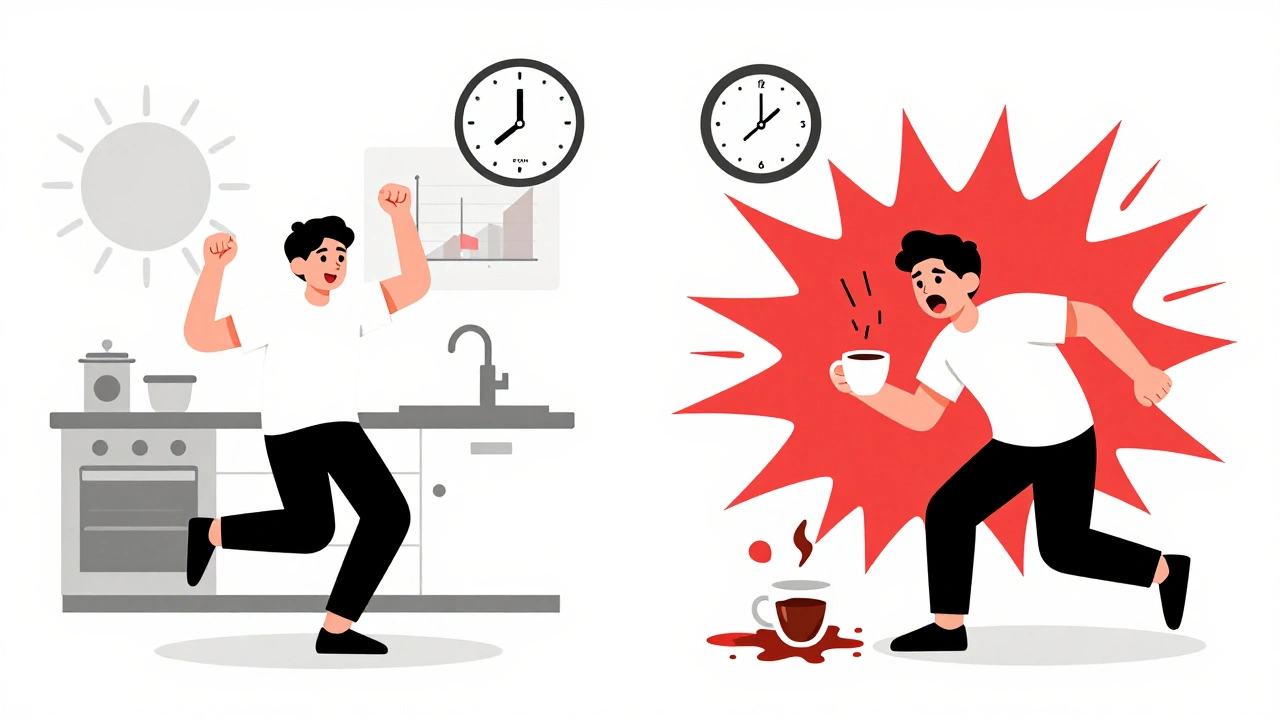
Studies using brain scans show that within 72 hours of starting prednisone, these regions become hyperactive or underactive, depending on the dose. This disrupts serotonin and dopamine levels, the same chemicals targeted by antidepressants and anti-anxiety meds. That’s why you might feel overly happy one day and completely flat the next. Or why a small annoyance-like a spilled cup of coffee-can send you into a rage.
The risk goes up fast with higher doses. If you’re taking more than 20mg a day, your chance of mood swings increases by more than three times compared to lower doses. And it doesn’t always happen right away. Some people feel fine for the first week, then suddenly crash into depression or panic attacks days after finishing their course. One case report described a patient who had full-blown panic attacks five days after stopping prednisone, even though they’d never had anxiety before.
What the Mood Swings Actually Look Like
People describe prednisone mood swings in very specific ways:
- Uncontrollable irritability-yelling at loved ones over small things
- Sudden tearfulness or crying spells with no clear trigger
- Feeling overly confident, euphoric, or reckless (sometimes mistaken for mania)
- Deep sadness, hopelessness, or thoughts of self-harm
- Restlessness, racing thoughts, or inability to sleep even when exhausted
- Feeling detached, confused, or like you’re watching yourself from outside your body
On patient forums like MyCrohnsAndColitisTeam and Reddit’s r/prednisone, the most common reports are irritability (82%), anxiety (76%), and emotional ups and downs (63%). One user wrote: "I’ve never been this angry in my life. I snap at my kids, then cry because I hate myself for it."
These aren’t personality flaws. They’re side effects. The DSM-5, the official manual psychiatrists use to diagnose mental disorders, classifies this as a "substance-induced mood disorder." That means your symptoms are directly tied to the drug-not a sign you’re "going crazy." But that doesn’t make them any less painful.
Who’s Most at Risk
Not everyone gets mood swings on prednisone. But some people are far more likely to. If you have any of these, your risk goes up:
- A history of depression, bipolar disorder, or anxiety
- Previous reactions to steroids (even years ago)
- Being over 65 or under 18
- Taking high doses (above 20mg/day) for more than 10 days
- Having other health conditions like diabetes or thyroid disease
People with a prior psychiatric diagnosis are nearly five times more likely to have severe mood disturbances, according to the FDA. That’s why doctors should screen you before prescribing prednisone-but many don’t. A 2021 survey found only 32% of primary care providers routinely warn patients about mood changes. That means most people are caught off guard.
What to Do When Mood Swings Start
If you notice changes in your mood, don’t wait. Don’t assume it’s "just stress." Don’t try to power through it. Here’s what actually works:
- Talk to your doctor immediately. Tell them exactly what you’re feeling-anger, sadness, panic, confusion. Don’t downplay it. Your doctor needs to know this to adjust your treatment.
- Don’t stop prednisone on your own. Stopping suddenly can cause adrenal crisis, a life-threatening condition. Your doctor will help you taper safely.
- Ask about dose reduction. If your condition allows, your doctor may lower your dose faster than planned. The American Gastroenterological Association says cutting high doses to under 20mg within 14 days reduces psychiatric side effects.
- Request a mental health consult. Many hospitals now have steroid side effect teams. Even a single session with a therapist trained in medication-induced mood changes can help you feel less alone and give you tools to cope.
Practical Coping Strategies That Work
While you’re still on prednisone, these daily habits can make a real difference:
- Stick to a sleep schedule. Prednisone messes with your circadian rhythm. Go to bed and wake up at the same time every day-even on weekends. Avoid caffeine after noon.
- Movement helps. A 30-minute walk each day reduces cortisol levels by 27%, according to a 2022 study. You don’t need to run a marathon. Just move. Stretching, gardening, or dancing in your living room counts.
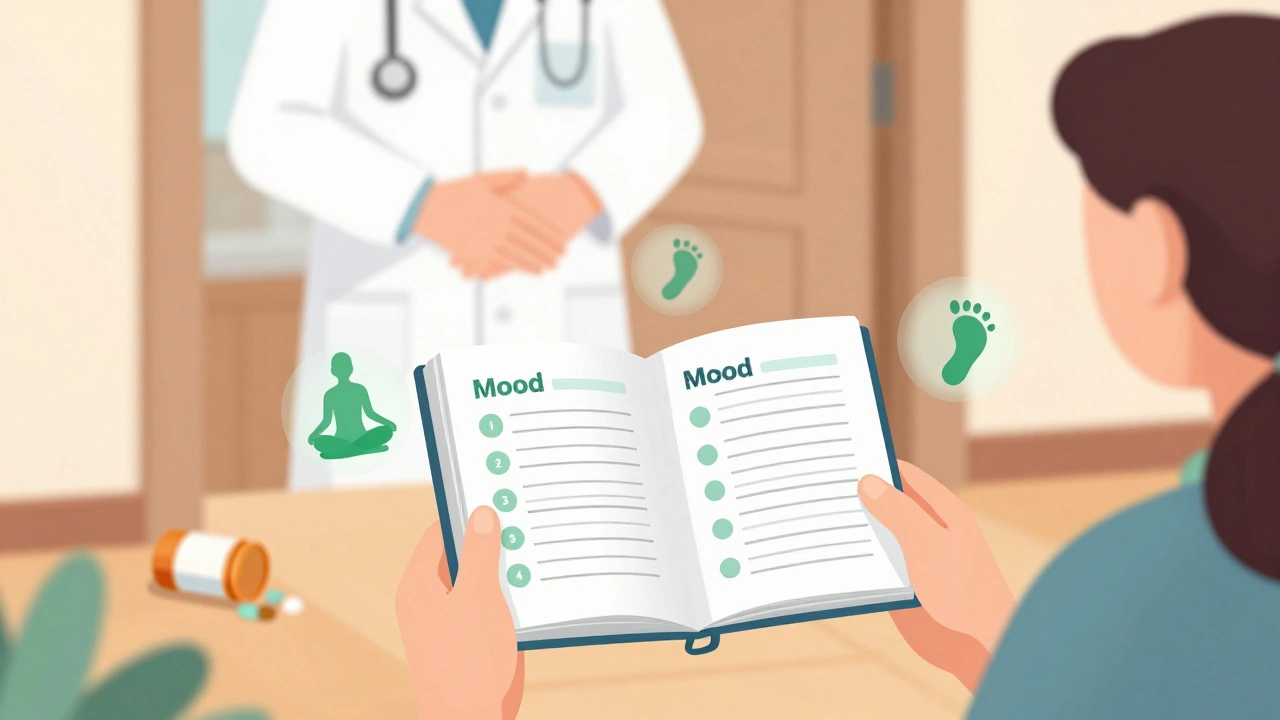
- Write it down. Keep a mood journal. Note the time of day, what you were doing, and how you felt. Many patients find their worst moods hit in the afternoon or evening. Knowing this helps you plan ahead-schedule important talks for the morning when effects are lowest.
- Tell the people around you. Say: "I’m on a medication that can make me irritable or emotional. It’s not you. I’m working on it." Most family members want to help-they just don’t know how.
- Try mindfulness. A 2023 survey of patients on MyCrohnsAndColitisTeam found that those who practiced 15 minutes of mindfulness meditation twice a day reported 43% less emotional intensity.
Some people find relief with low-dose SSRIs like sertraline, even though this isn’t FDA-approved for prednisone side effects. A January 2024 study showed a 58% drop in mood swings in patients who took them alongside steroids. But this is a decision for your doctor-it’s not something to self-prescribe.
When to Seek Emergency Help
Some mood changes are medical emergencies. Call 911 or go to the ER if you experience:
- Thoughts of hurting yourself or others
- Severe confusion, hallucinations, or delusions
- Extreme agitation or violence
- Difficulty breathing or chest pain during panic attacks
These are rare but serious. The American College of Rheumatology reports that about 6% of patients develop severe psychiatric symptoms needing hospitalization. Don’t wait to see if it gets better. If you’re not safe, get help now.
What Happens After You Stop
Many people assume mood swings disappear as soon as they finish the last pill. That’s not always true. Because prednisone has a half-life of 18-36 hours, its effects linger for days. Some patients report depression or anxiety for up to two weeks after stopping. One woman described panic attacks that lasted a month after her 19-day course ended.
Give yourself time. Don’t rush back into high-pressure situations. Your brain is healing. Be patient. If symptoms continue beyond two weeks, talk to your doctor. You might need follow-up care.
You’re Not Broken
Prednisone mood swings are not weakness. They’re not a failure of willpower. They’re a known, measurable, biological response to a powerful drug. You didn’t choose this. You didn’t cause it. You’re reacting to chemistry, not character.
There’s no shame in needing help. The fact that you’re reading this means you’re already taking a step toward control. You’re not alone. Thousands of people are going through the same thing right now. And with the right support, the mood swings will pass. Your emotions will come back to you-not because you’re trying harder, but because your body is healing.
How long do prednisone mood swings last?
Mood swings usually start within 5-7 days of beginning prednisone and can last as long as you’re taking it. After stopping, symptoms may continue for 5-14 days due to the drug’s half-life. In rare cases, depression or anxiety can linger for up to a month, especially after high-dose or long-term use. If symptoms persist beyond two weeks after stopping, consult your doctor.
Can prednisone cause depression or suicidal thoughts?
Yes. Prednisone can trigger severe depression, including feelings of hopelessness, guilt, and suicidal ideation. This is documented in clinical studies and patient reports. The FDA lists these as potential side effects. If you have thoughts of self-harm, contact your doctor immediately or call 988 (Suicide & Crisis Lifeline). Do not wait or try to handle it alone.
Is it safe to take antidepressants with prednisone?
Some doctors prescribe low-dose SSRIs like sertraline or escitalopram alongside prednisone to prevent or reduce mood swings. A 2024 study showed a 58% reduction in symptoms with this approach. However, this is considered off-label use and must be supervised by a physician. Never start an antidepressant on your own while taking steroids.
Can I reduce my prednisone dose to avoid mood swings?
Sometimes, yes. Many conditions allow for faster tapering than traditionally prescribed. The American Gastroenterological Association recommends keeping doses above 20mg per day to no more than 14 days when possible. Never adjust your dose without talking to your doctor-stopping suddenly can be dangerous. But you can ask: "Is there a way to get me off this faster without risking my condition?"
Why didn’t my doctor warn me about this?
Many doctors focus on the physical benefits of prednisone-reducing inflammation, controlling flare-ups-and overlook psychological side effects. A 2021 survey found only 32% of primary care providers routinely discuss mood changes with patients. This is changing, thanks to new guidelines from the FDA and EMA, but it’s still not standard. You have the right to ask: "What are the mental health risks?" and expect a clear answer.
Are there alternatives to prednisone that don’t cause mood swings?
Yes, depending on your condition. For autoimmune diseases like rheumatoid arthritis or IBD, biologics like adalimumab or vedolizumab may be options. For allergies or asthma, inhaled steroids or antihistamines might work. But prednisone is often the fastest, most effective option for acute flare-ups. Your doctor can discuss alternatives based on your diagnosis, severity, and medical history.
What Comes Next
If you’re currently on prednisone and struggling with your mood, start by writing down your symptoms. Note the time, intensity, and what you were doing when they happened. Bring this to your next appointment. Ask for a referral to a psychiatrist who understands medication-induced mood disorders. Join a patient community-reading others’ stories helps you feel less isolated.
Prednisone saves lives. But it doesn’t come without cost. The goal isn’t to avoid it entirely-it’s to use it wisely, monitor its effects closely, and give yourself permission to ask for help. You’re not weak for needing it. You’re human.
Constantine Vigderman
December 13, 2025 AT 06:13Casey Mellish
December 14, 2025 AT 08:41Emily Haworth
December 14, 2025 AT 16:20Tom Zerkoff
December 16, 2025 AT 05:58Jamie Clark
December 16, 2025 AT 22:43Keasha Trawick
December 18, 2025 AT 07:02Webster Bull
December 20, 2025 AT 05:03Deborah Andrich
December 20, 2025 AT 20:29Donna Hammond
December 22, 2025 AT 14:08Karen Mccullouch
December 23, 2025 AT 03:54nithin Kuntumadugu
December 23, 2025 AT 12:20Harriet Wollaston
December 23, 2025 AT 18:52Lauren Scrima
December 25, 2025 AT 06:19sharon soila
December 26, 2025 AT 01:20nina nakamura
December 26, 2025 AT 23:28