
SSRI Risk Calculator for Older Adults
This tool estimates your risk of hyponatremia and falls when taking SSRIs based on key factors from the article. Results are for educational purposes only. Always consult your doctor before making medication changes.
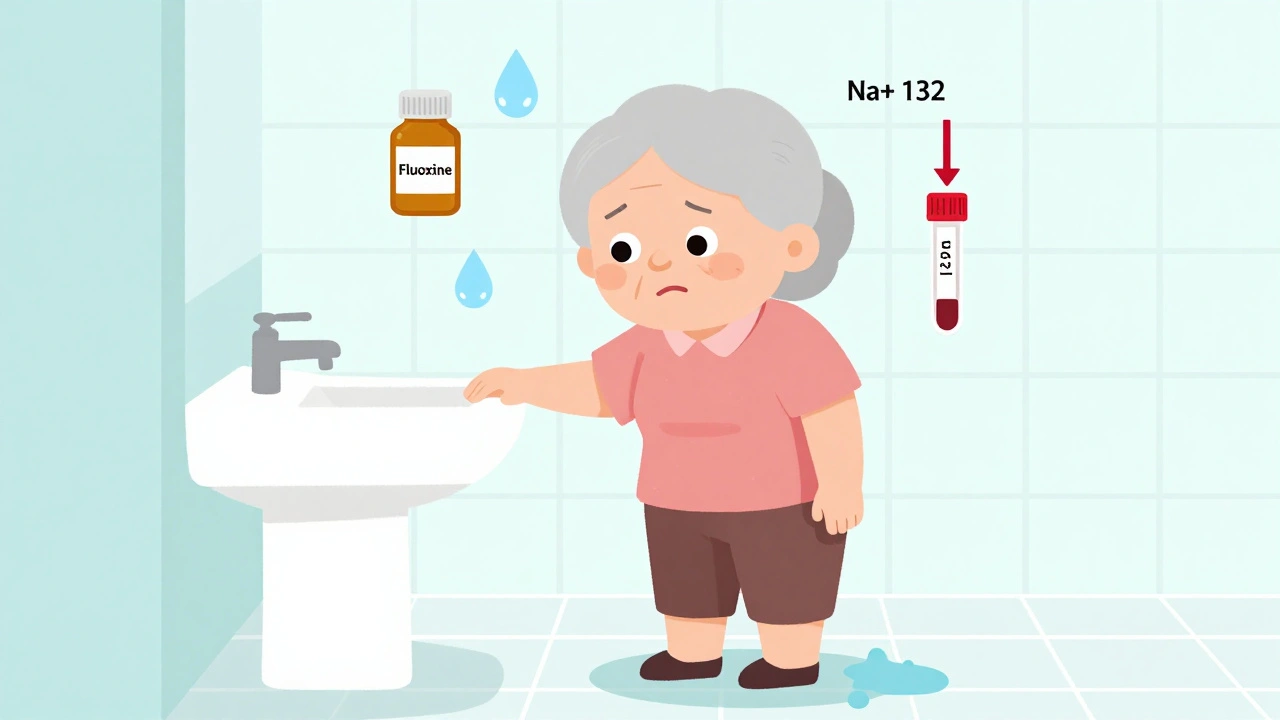
Every year, more older adults are prescribed SSRIs for depression and anxiety. In the U.S. alone, nearly one in five people over 65 are taking one of these medications. But while they help with mood, they also carry a quiet, dangerous risk: hyponatremia - a drop in blood sodium levels that can lead to dizziness, confusion, and falls. And for seniors, a single fall can mean a broken hip, a hospital stay, or worse.
Why SSRIs Put Older Adults at Risk
SSRIs work by increasing serotonin in the brain. That’s good for mood. But serotonin also affects the kidneys. In older adults, this can trigger something called SIADH - the syndrome of inappropriate antidiuretic hormone secretion. Basically, the body starts holding onto too much water. That water dilutes the sodium in your blood. When sodium drops below 135 mmol/L, you have hyponatremia. The problem? Older bodies aren’t built to handle this. As we age, we lose muscle and water. Kidneys don’t filter as well. Hormones that control fluid balance get messy. So even a small change in medication can send sodium levels crashing. Studies show SSRIs more than double the risk of hyponatremia in seniors. The risk is even higher if you’re taking a thiazide diuretic - a common pill for high blood pressure. Together, they raise the odds by 25%. Women, people with low body weight, and those already with borderline low sodium are at the highest risk.The Silent Signs - Before the Fall
Hyponatremia doesn’t always scream for help. Many seniors feel only mild fatigue, slight dizziness, or a sense of being "off." These aren’t treated as red flags. But they’re exactly what lead to falls. Think about it: low sodium means your brain doesn’t function quite right. Your balance gets shaky. Your reflexes slow. You might stumble on a step you’ve walked a hundred times. A 2023 study found that nearly 40% of seniors with hyponatremia had no obvious symptoms - until they fell. And once a fall happens? The chain reaction is brutal. Hip fractures. Surgery. Long-term care. Loss of independence. In 2023, hyponatremia-related hospitalizations for seniors cost over $1.2 billion in the U.S. That’s not just a medical cost - it’s a life cost.Which SSRIs Are Riskiest?
Not all SSRIs are created equal. Some are much more likely to cause hyponatremia than others. - Fluoxetine (Prozac) has the highest risk among SSRIs - over 3.5 times more likely to cause low sodium than other SSRIs. It stays in the body for weeks, so even after stopping, the risk lingers. - Paroxetine and citalopram also carry elevated risk. - Sertraline and escitalopram are slightly safer, but still risky in older adults. And it’s not just SSRIs. The SNRI venlafaxine (Effexor) has the highest risk among all antidepressants in this group. If you’re an older adult on one of these, talk to your doctor. Ask: "Is there a safer option?"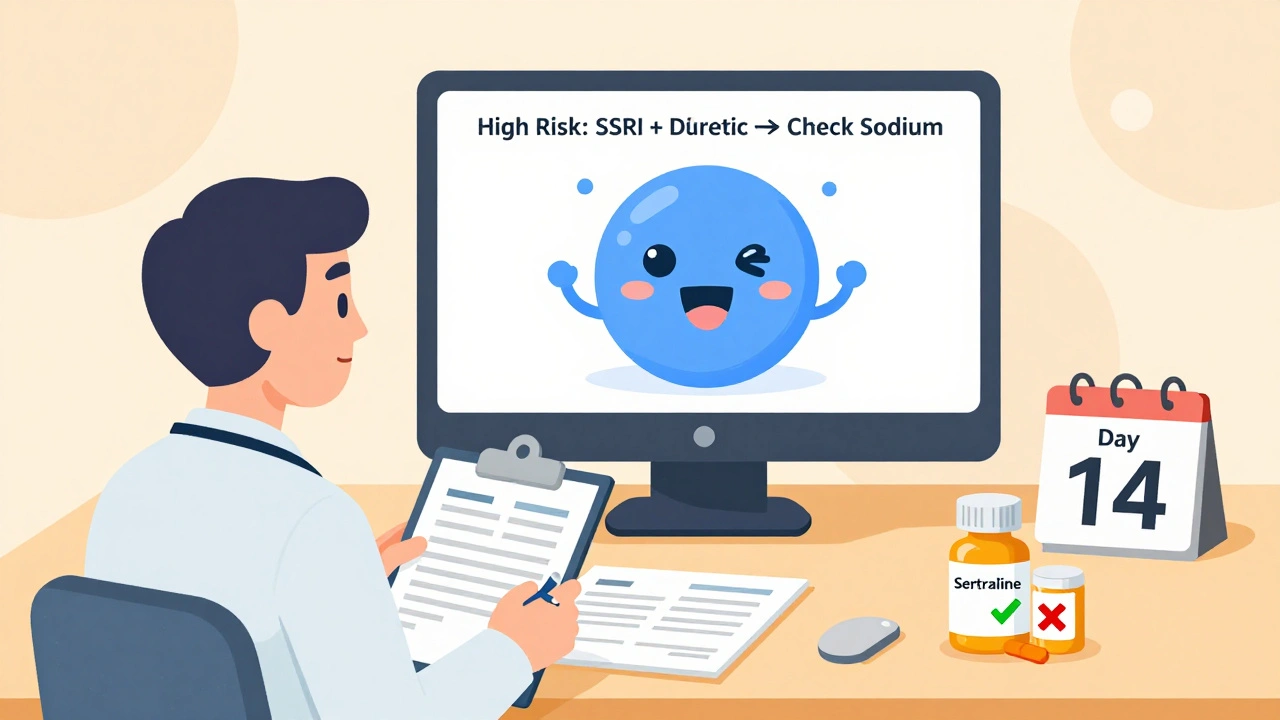
Safer Alternatives
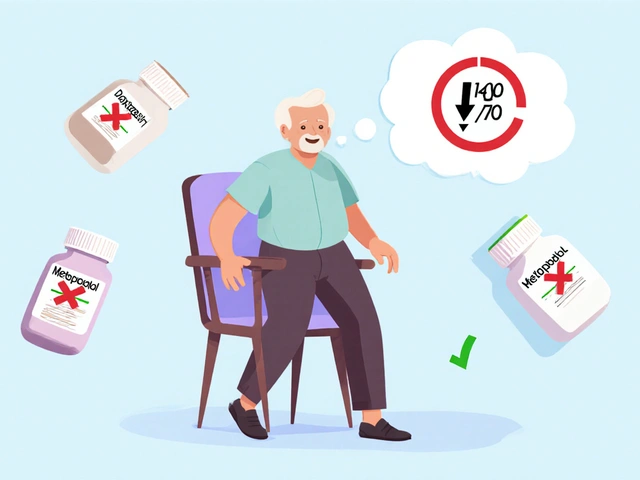
There are antidepressants that don’t mess with sodium. Two stand out: - Mirtazapine (Remeron): It’s not an SSRI. It works differently. Studies show almost no link to hyponatremia. It can cause drowsiness or weight gain, but for many seniors, that’s a better trade-off than the risk of falling. - Bupropion (Wellbutrin): Also low risk for hyponatremia. It’s often used for depression with fatigue or low energy. But it’s not ideal for people with anxiety or seizures. Psychotherapy - especially cognitive behavioral therapy - is another powerful option. It works as well as medication for mild to moderate depression in older adults. And it carries zero risk of hyponatremia or falls.What Doctors Should Do - And Often Don’t
The American Geriatrics Society says SSRIs should be used cautiously in seniors. The FDA now requires stronger warnings on SSRI labels. But here’s the gap: many doctors still don’t check sodium levels before or after starting these drugs. Best practice? Test sodium before starting an SSRI. Then test again at 10-14 days. That’s when levels usually drop. If sodium falls below 135, stop the SSRI. If it’s below 130, get urgent care. But here’s the twist: a 2023 study found that even when doctors did monitor sodium, it didn’t reduce hospitalizations. Why? Because monitoring alone isn’t enough. You need a plan: stop the drug, adjust fluids, switch meds, educate the patient. Many clinics now use electronic alerts. When a doctor prescribes fluoxetine to a 78-year-old on hydrochlorothiazide, the system pops up: "High risk for hyponatremia. Check sodium in 14 days. Consider mirtazapine." Hospitals using these tools cut high-risk prescriptions by nearly 20%.
What Seniors and Families Can Do
You don’t have to wait for your doctor to act. Here’s what you can do:- Ask: "Is this SSRI the safest choice for me?"
- Ask: "Can we check my sodium before and two weeks after starting?"
- Know the warning signs: dizziness, confusion, nausea, weakness, unsteady walking.
- If you’re on a water pill (like hydrochlorothiazide or chlorthalidone), tell your doctor you’re on an SSRI. That combo is dangerous.
- Keep a list of all your meds - including supplements and over-the-counter pills - and review it with your doctor every 3 months.
And if you notice a loved one stumbling more, acting confused, or seeming unusually tired after starting a new antidepressant - don’t wait. Get a blood test. It takes five minutes. It could save their life.
The Bigger Picture
We’re prescribing more antidepressants to seniors than ever. Depression is real. But so is the risk. The goal isn’t to avoid treatment - it’s to choose safer treatment. New tools are emerging. AI models are being built to predict who’s most at risk by combining age, meds, sodium history, and fall patterns. A $2.8 million NIH study launched in late 2024 is trying to answer the biggest question: What monitoring plan actually prevents hospitalizations? Until then, the answer is simple: Know the risk. Test early. Choose wisely. And never ignore a stumble.Can SSRIs cause falls in older adults?
Yes - indirectly. SSRIs can cause hyponatremia (low sodium), which leads to dizziness, confusion, and poor balance. These symptoms increase the chance of falling. Many seniors don’t realize their falls are linked to their medication until after a serious injury.
How soon after starting an SSRI does hyponatremia happen?
It usually shows up within 10 to 21 days after starting the medication or increasing the dose. That’s why doctors recommend checking sodium levels two weeks after beginning treatment.
What’s the safest antidepressant for older adults?
Mirtazapine (Remeron) has the lowest risk of causing hyponatremia. Bupropion (Wellbutrin) is another low-risk option. Both are effective for depression, though they work differently than SSRIs. Talk to your doctor about whether they’re right for your symptoms.
Should I stop my SSRI if I feel dizzy?
Don’t stop on your own. Dizziness could be from hyponatremia, but it could also be from other causes. Call your doctor right away. Ask for a blood test to check your sodium level. If it’s low, your doctor can help you switch to a safer medication safely.
Is it safe to take an SSRI with a water pill?
It’s risky. Combining SSRIs with thiazide diuretics (like hydrochlorothiazide) increases hyponatremia risk by 25%. If you’re on both, ask your doctor if you can switch to a different blood pressure medication - or a different antidepressant. This combo is one of the most dangerous in older adults.
Can I prevent hyponatremia without stopping my SSRI?
Not reliably. Fluid restriction may help in mild cases, but it’s not a long-term fix. The best prevention is choosing a lower-risk antidepressant from the start. If you’re already on an SSRI and have low sodium, switching meds is often the safest move.
Why don’t all doctors check sodium levels?
Some don’t know the risk. Others know but don’t have time, or their clinic doesn’t have a system to remind them. A 2024 survey found that 68% of geriatricians say their clinics have monitoring protocols - but only half follow them consistently. That’s why patients and families need to speak up.


Irving Steinberg
December 3, 2025 AT 01:29Bro this is wild 😳 I was on Prozac for 3 months and started tripping over my own feet like a newborn giraffe. No one ever told me it could be the med. My grandma fell last year and they just said "old age" lol. Thanks for the wake-up call.
Lydia Zhang
December 3, 2025 AT 17:33My mom’s on sertraline and her sodium was low last year. Doctor didn’t check until she almost broke her hip. Should be standard testing.
Kay Lam
December 3, 2025 AT 23:15It’s not just about the meds it’s about how we treat aging in this country we rush to prescribe instead of listening we ignore the subtle signs because we think it’s just getting older but it’s not it’s a medical red flag that gets buried under bureaucracy and lack of time and training and honestly if your doctor doesn’t check sodium before and after starting an SSRI they’re not doing their job and families need to push back because no one else will and it’s not just about the drug it’s about the whole system failing seniors every single day
Jack Arscott
December 4, 2025 AT 18:02Good breakdown. I’m a nurse and we’ve had 3 seniors this year with hyponatremia from SSRIs. Always check sodium at 2 weeks. And yeah, mirtazapine is way safer. 🙏
Matt Dean
December 6, 2025 AT 13:54People are still taking fluoxetine in 2025? Bro it’s 2025. We have better options. You’re not a lab rat. If your doc prescribes Prozac to someone over 65 they’re either lazy or outdated. Stop the madness.
Walker Alvey
December 7, 2025 AT 17:34So we’ve turned medicine into a game of Russian roulette with elderly lives because convenience beats caution and capitalism beats care and we call it progress
Jeremy Butler
December 8, 2025 AT 10:09It is imperative to underscore that the physiological alterations inherent in geriatric populations necessitate a paradigmatic shift in pharmacological prescribing practices. The pathophysiological interplay between serotonin modulation and renal sodium handling is both well-documented and clinically significant. Failure to implement mandatory baseline and follow-up electrolyte monitoring constitutes a breach of the standard of care.
Courtney Co
December 8, 2025 AT 13:24OMG I’m so glad you posted this because my dad just started citalopram and he’s been so spacey lately I thought it was dementia but now I’m terrified… can I DM you? I need to know if I should rush him to the ER or just wait? I don’t know what to do I’m so scared
Shashank Vira
December 10, 2025 AT 10:01How quaint. In my homeland, we do not medicate sadness with chemicals. We sit with it. We let the elders feel. We do not dilute their souls with serotonin boosters. This is not medicine. This is cultural surrender.
Priyam Tomar
December 10, 2025 AT 12:36Actually mirtazapine causes more weight gain than SSRIs and that’s worse for seniors. And bupropion increases seizure risk. You’re oversimplifying. Also, therapy doesn’t work for severe depression. This post is dangerously naive.
Adrian Barnes
December 12, 2025 AT 05:23The data here is statistically significant but methodologically flawed. The 2023 study cited lacks multivariate adjustment for comorbidities, polypharmacy, and baseline renal function. Without controlling for these variables, attributing falls solely to hyponatremia is premature. Furthermore, the assertion that "a blood test takes five minutes" ignores the logistical and systemic barriers in primary care settings. This is not a solution. It’s performative awareness.