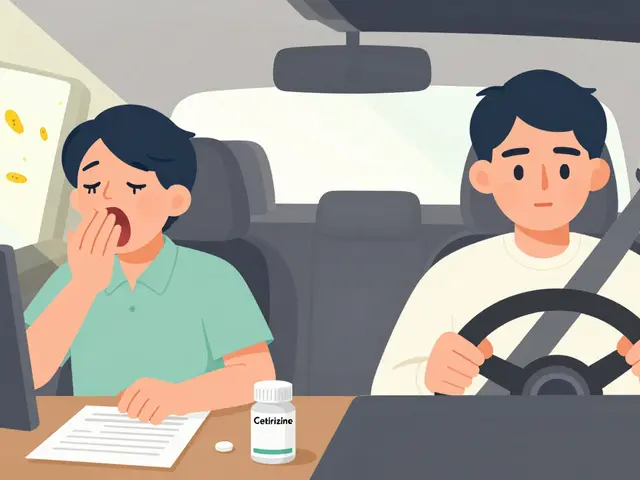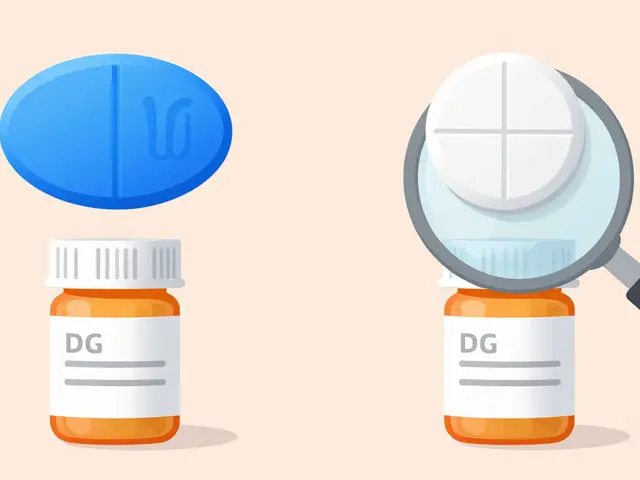
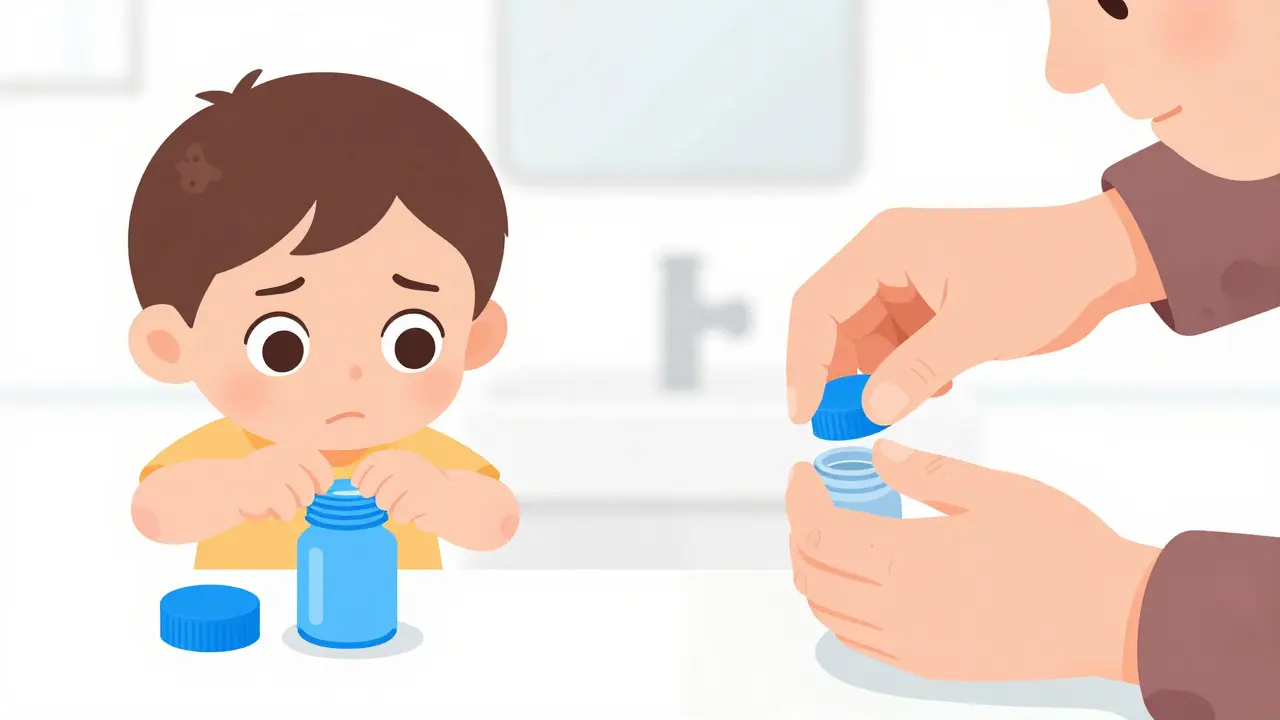
Imagine a small hand fumbling with a bottle of pills. Now imagine an older adult with arthritis trying to open that same bottle. For decades, manufacturers have walked a tightrope between these two realities. The result is the child-resistant container, a piece of engineering that sits on millions of bathroom counters worldwide.
We often call them "child-proof," but that term is misleading. No cap is truly proof against curiosity. Instead, these closures are designed to buy time-enough seconds or minutes for an adult to intervene before a child swallows something dangerous. Understanding how they work, who they protect, and where they fail can save lives and reduce frustration in households everywhere.
The History Behind the Cap
The modern safety cap didn’t appear out of nowhere. It was born from tragedy. Between 1961 and 1966, over 5,000 children in the United States died from accidental poisoning. Most of these deaths involved household chemicals and medications stored in simple screw-top jars that toddlers could easily twist open.
In response, U.S. Senator Frank E. Moss championed the Poison Prevention Packaging Act (PPPA) of 1970. This law gave the Consumer Product Safety Commission (CPSC) the power to regulate packaging for hazardous substances. The goal was clear: make it hard for kids under five to open containers, while keeping them accessible for adults.
| Year | Milestone | Impact |
|---|---|---|
| 1970 | Poison Prevention Packaging Act passed | Established federal standards for hazardous product packaging |
| 1974 | First CR caps widely adopted | Pediatric poisoning deaths dropped by 45% |
| 2012 | Nasal spray rules updated | Required specific mechanisms for liquid sprays |
| 2023 | Smart caps introduced | Combined safety with digital adherence tracking |
Since those early days, the data speaks for itself. According to Dr. Gary Smith of the Child Injury Prevention Alliance, child-resistant packaging has prevented an estimated 900,000 childhood poisonings annually. That’s not just a statistic; it’s hundreds of thousands of families spared from emergency room visits.
How Safety Caps Actually Work
You’ve probably used one without thinking about it. You push down, then turn. Or you squeeze two sides simultaneously while twisting. These aren’t random designs. They rely on cognitive and physical barriers that young children haven’t developed yet.
There are three main types of mechanisms you’ll encounter:
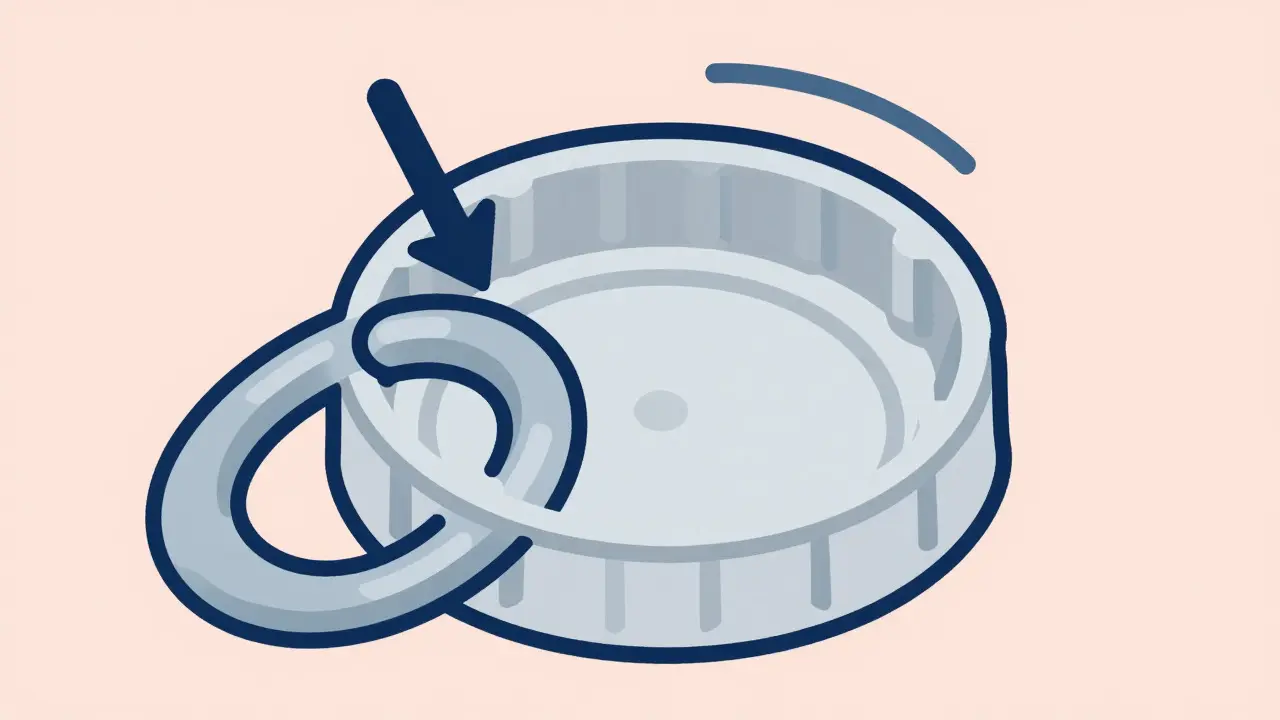
- Push-and-Turn: The most common type. You must apply downward pressure while rotating the cap. Children often lack the fine motor coordination to do both at once.
- Squeeze-and-Turn: Requires squeezing flexible parts of the cap to align internal threads before turning. This demands simultaneous dissimilar motions.
- Interlocking Designs: Use hidden latches or sliding panels that require specific finger placement.
The materials matter too. Most caps are made from high-density polyethylene (HDPE) or polypropylene. These plastics are durable enough to withstand dozens of opening cycles without losing their grip. A well-made cap should maintain its child-resistant function for at least 50 openings.
But here’s the catch: effectiveness drops if you don’t close it right. Research shows that after the first opening, protection decreases by about 15% if the cap isn’t reseated properly. If the threads don’t click into place, the barrier is gone.
The Testing Standards: What Makes a Cap Compliant?
Not every tricky lid counts as child-resistant. To earn that label, a container must pass rigorous testing defined in 16 CFR 1700.20. The process involves two distinct groups: children aged 42 to 51 months and seniors aged 50 to 70.
For the child test, 50 kids try to open the package for 10 minutes. At least 85% must fail. Then, the few who succeed get another 5 minutes after being shown how to open it. They still must fail to keep the contents safe. That’s the bar: stopping the vast majority of curious toddlers.
For the senior test, 100 older adults attempt to open and re-close the package within 5 minutes. At least 90% must succeed. This ensures that grandparents and elderly patients can access their medicine without help.
If a cap fails either test, it doesn’t hit the market as compliant. Pharmaceutical companies must submit verification statements confirming they meet these CPSC standards. Labs charge between $8,500 and $15,000 per design to run these tests, which explains why generic brands sometimes use simpler, less expensive closures.
Why Some Caps Are Harder Than Others
Not all medications come in the same kind of bottle. Solid pills like tablets and capsules are easier to secure. Standard screw-cap vials achieve a 97.3% success rate in field studies. But liquids? They’re a different story.
Liquid formulations account for nearly 40% of non-compliant packaging incidents. Why? Because liquid bottles often use nasal spray pumps or droppers. The CPSC clarified in 2012 that a pump alone isn’t child-resistant. Either the pump mechanism itself or an outer cap must provide the barrier. Many manufacturers skip this step to cut costs, leaving parents vulnerable.
Blister packs offer another alternative. Standard foil blisters aren’t automatically safe unless engineered to require significant force-minimum 15 pounds-to peel. If your blister pack pops open with a gentle tug, it’s not meeting the standard.
Prescription drugs face stricter rules than over-the-counter (OTC) products. All Schedule II-V controlled substances require child-resistant packaging under DEA regulations. OTC products only need it if they contain certain active ingredients above specific thresholds, like imidazoline eye drops.
The Senior Dilemma: Safety vs. Accessibility
Here’s the frustrating truth: what stops a toddler might also lock out a grandparent. For the 61 million Americans with arthritis, traditional child-resistant caps are a daily battle. A 2022 survey found that 68% of people with hand impairments struggle to open these containers. The average force required often exceeds the 5-pound limit recommended for senior-friendly designs.
This creates a risky behavior pattern. Seniors may leave caps off entirely, store meds in pillboxes without lids, or ask family members to open them every time. Each workaround increases the chance of error-or worse, leaves the medicine accessible to children.
Newer designs aim to solve this. Aptar Pharma’s Mini+cr system, for example, achieves a 92% success rate for seniors while keeping child success rates below 8%. Blisterpak’s Easy-Open system has earned positive reviews from users whose elderly relatives can finally manage their own medication. But adoption is slow. Many pharmacies still dispense in older-style caps because they’re cheaper and readily available.
If you care for someone with limited dexterity, ask your pharmacist for "senior-friendly" alternatives. By law, they can provide non-child-resistant packaging if you sign a waiver acknowledging the risk. It’s a trade-off, but one that prioritizes independence and adherence.
Common Mistakes That Compromise Safety
Even the best cap won’t help if it’s misused. Data from the CPSC reveals that 73% of incidents involving children accessing medications despite CR packaging were due to improper reclosure. Parents open the bottle, pour out a dose, and snap the lid back on without ensuring it’s fully seated.
Container damage accounts for another 18.5% of failures. Dropping a bottle, chewing through plastic, or storing meds in damp bathrooms can degrade the locking mechanism over time. Always inspect your caps for cracks or warping.
Another issue? Dispensing errors. Veterinary practices and some clinics have been caught handing out medications in plain envelopes or bags. In 2022, nearly 44% of veterinary practices were non-compliant with PPPA requirements. If you pick up a prescription and it’s in a bag, ask for a proper container.
What’s Next for Medication Safety?
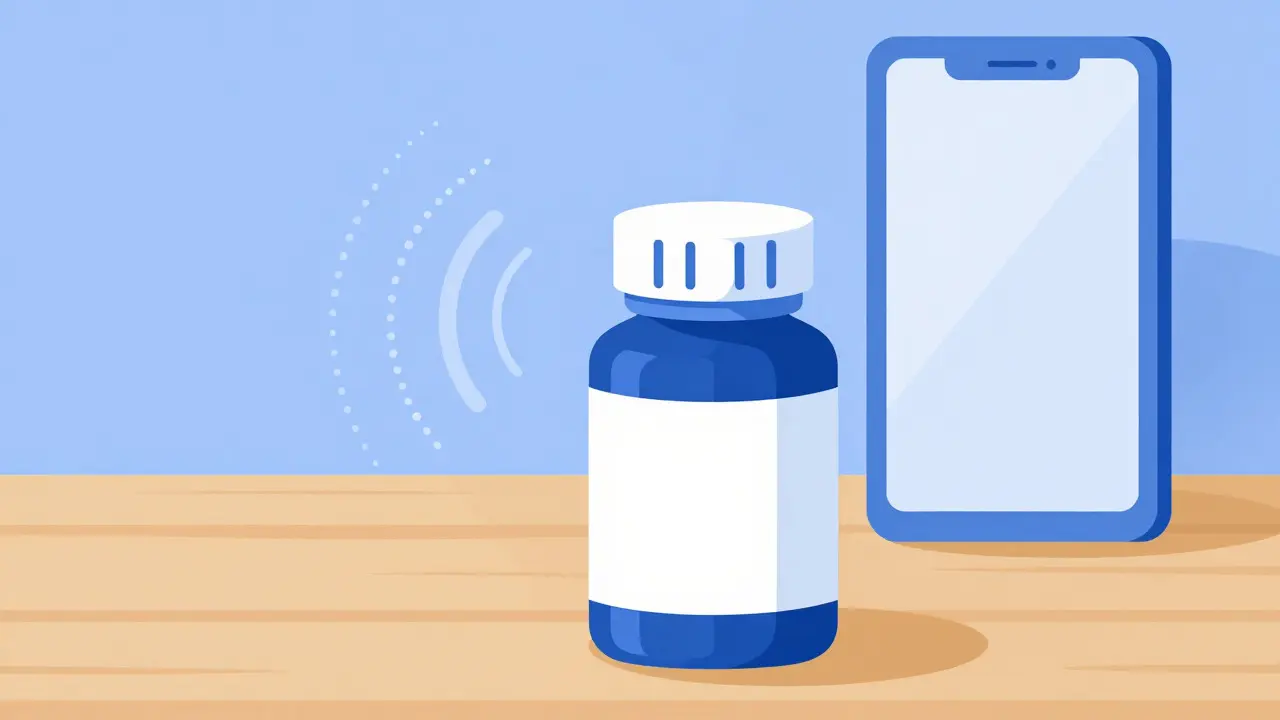
Technology is changing the game. Smart caps like Aptar Pharma’s SmartDose combine child resistance with Bluetooth tracking. They record when the bottle is opened, helping caregivers monitor adherence. Early tests show 99.2% accuracy in logging events.
Regulators are also expanding scope. The CPSC proposed new rules in 2023 requiring child-resistant packaging for concentrated cannabis edibles and potentially laundry detergent pods. As new products enter homes, the definition of "hazardous" evolves.
Global trends mirror this shift. Brazil and India recently implemented mandatory CR packaging laws, aligning with international standards like ISO 8317. The market is projected to grow by 5.2% annually through 2028, driven by aging populations and stricter regulations.
But innovation isn’t just about tech. It’s about education. Knowing how to open, close, and store these containers correctly matters more than any feature. Check your caps regularly. Teach kids that "push and turn" means "ask an adult." And never assume a closed lid equals a safe home.
Are child-resistant caps actually child-proof?
No. The FDA explicitly states that "child-resistant" does not mean "child-proof." These caps are designed to delay access, giving adults time to intervene. They cannot completely eliminate the risk of accidental ingestion.
How long do child-resistant caps last?
Quality caps should maintain functionality for at least 50 opening cycles. However, effectiveness drops by 15% after the first opening if not closed properly. Inspect caps regularly for wear or damage.
Can I get medication without a child-resistant cap?
Yes. Pharmacists can provide standard caps if you sign a waiver acknowledging the risks. This is especially helpful for seniors with arthritis or limited dexterity. Ask for "senior-friendly" or "non-CR" options at the counter.
Why are some liquid medicines harder to secure?
Liquid bottles often use pumps or droppers that aren’t inherently child-resistant. Regulations require either the pump mechanism or an outer cap to be CR-compliant. Many manufacturers overlook this, leading to higher failure rates in liquid formulations.
Do smart medication caps really work?
Early models like SmartDose show promise, combining child resistance with digital tracking. They log opening events with high accuracy, helping caregivers monitor adherence. However, they are newer and more expensive than traditional caps.
What should I do if my child opens a CR cap?
Treat it as a warning sign. Replace the container if damaged, ensure it’s being closed correctly, and consider switching to a senior-friendly model if usability is an issue. Always store medications out of sight and reach, even with CR caps.