
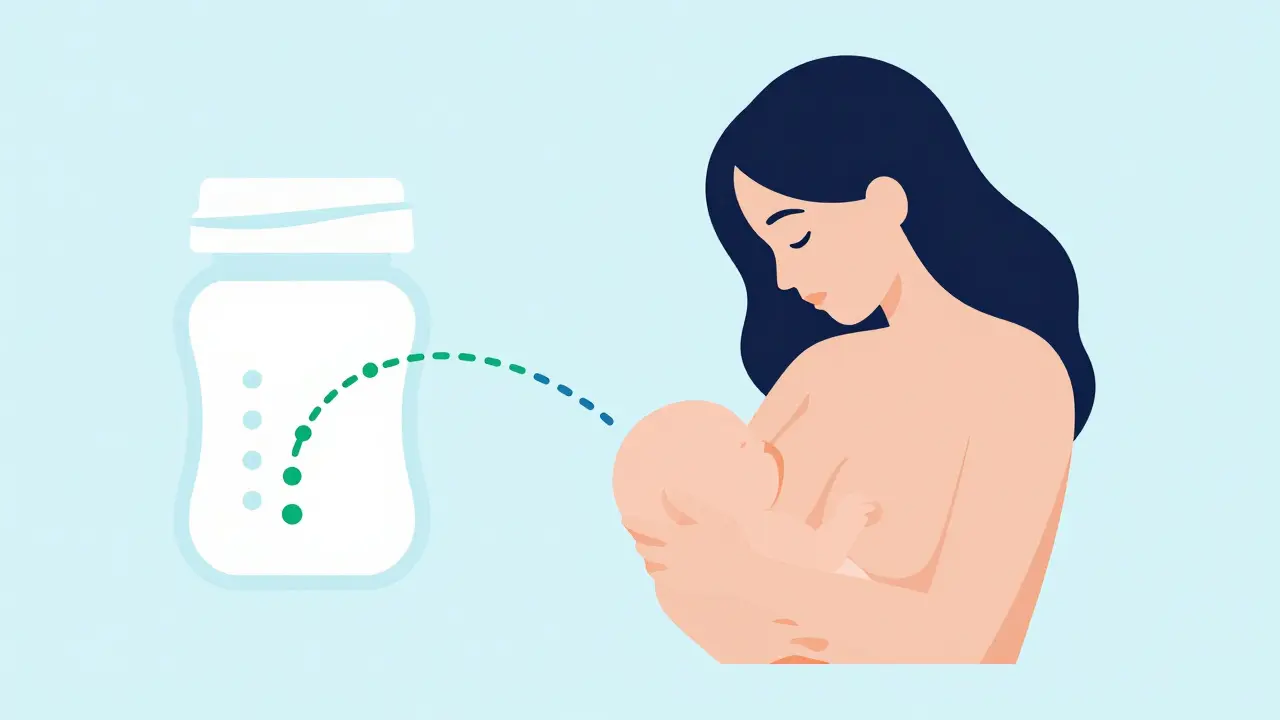
Many new moms worry about taking medications while breastfeeding. Will it harm their baby? The good news is that safe antihistamines and pain relievers are available for nursing mothers. The key is knowing which ones to choose and how to use them properly. Let's break down what's safe, what to avoid, and practical tips to keep both you and your baby healthy.
How Medications Enter Breast Milk
When you take a medication, it enters your bloodstream. From there, some of it passes into your breast milk. But not all medications transfer the same way. Factors like molecular weight, protein binding, and lipid solubility determine how much gets into your milk. For example, loratadine (Claritin) has high molecular weight (over 400 daltons) and binds strongly to proteins in your blood, so only 0.04% of your dose transfers to breast milk. Meanwhile, first-generation antihistamines like diphenhydramine (Benadryl) cross the blood-brain barrier easily, leading to higher transfer and potential drowsiness in babies.
Safe Antihistamines for Nursing Moms
Second-generation antihistamines are the go-to choice for breastfeeding mothers. cetirizine (Zyrtec), loratadine (Claritin), and fexofenadine (Allegra) are all considered safe. Studies show cetirizine transfers at just 0.05% of your dose, while fexofenadine is even lower at 0.02%. These medications don't cause drowsiness in most people and have no documented side effects in nursing babies when taken at standard doses.
First-generation antihistamines like diphenhydramine (Benadryl) and chlorpheniramine are different. They have lower molecular weights, higher lipid solubility, and cross into breast milk more easily. They can cause drowsiness in both moms and babies. The Breastfeeding Network warns that long-term use of sedating antihistamines may cause babies to become drowsy, miss feeds, and fail to thrive. So while diphenhydramine is okay for occasional use (like for severe allergic reactions), it's best to avoid it for chronic conditions like seasonal allergies.
Safe Pain Relievers for Nursing Moms
For pain relief, acetaminophen (Tylenol) and ibuprofen (Advil) are top choices. Acetaminophen reaches milk concentrations of 1-2% of your dose, and ibuprofen is even lower at 0.6-0.8%. Both are considered safe with no documented effects on nursing infants when used as directed. However, naproxen (Aleve) has a longer half-life and higher transfer rate (7% of maternal dose), which is why the American Academy of Family Physicians recommends avoiding long-term use due to reports of bleeding, anemia, and vomiting in breastfed infants.
Other pain relievers like codeine, hydrocodone, and tramadol require caution. Codeine can convert to morphine in the body, leading to higher levels in breast milk. The FDA has issued warnings about codeine in breastfeeding mothers due to rare but serious risks to infants. If you need stronger pain relief, talk to your doctor about safer alternatives.
Hidden Antihistamines in OTC Products
Many over-the-counter cold and allergy medicines contain antihistamines you might not expect. For example, some sleep aids use diphenhydramine as a sedative. Cold medicines often include chlorpheniramine or doxylamine. The Nurseslabs resource cautions that "many OTC drugs contain antihistamines," which could lead to accidental overdose if you're not checking labels. Always read the active ingredients list before taking any OTC medication. If you see "diphenhydramine," "chlorpheniramine," or "doxylamine," you're dealing with a first-generation antihistamine that may not be safe for long-term use while breastfeeding.
Practical Tips for Safe Medication Use
Here's what to do when you need medication:
- Choose second-generation antihistamines like loratadine or cetirizine for allergies
- Use acetaminophen or ibuprofen for pain relief
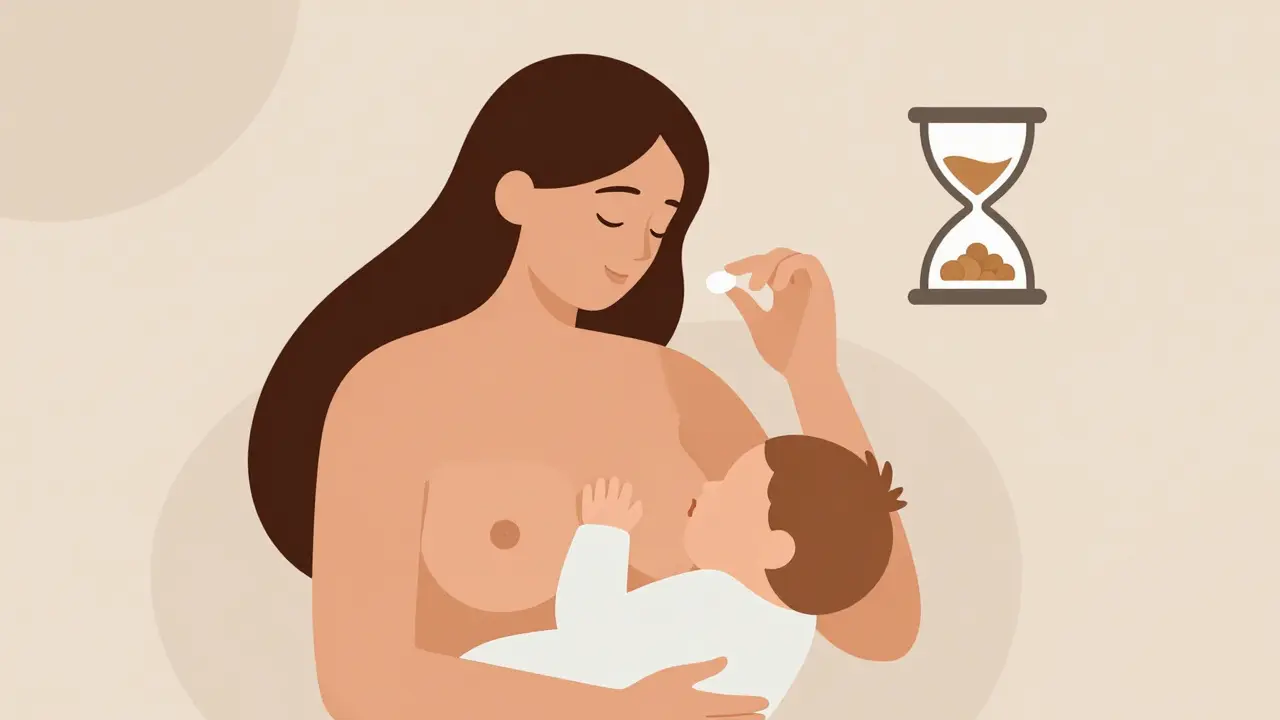
- Take medications right after breastfeeding to minimize exposure (e.g., take a dose after the baby's last feed of the day)
- Avoid alcohol and other CNS depressants when taking antihistamines
- Check OTC labels carefully for hidden antihistamines
- If unsure, consult your pharmacist or doctor before taking anything new
When to Call Your Doctor
While most common medications are safe, there are red flags to watch for. If your baby shows signs of drowsiness, poor feeding, or unusual fussiness after you take medication, contact your healthcare provider. Also, if you have kidney or liver issues, some medications may need adjustment. Always mention you're breastfeeding when getting a prescription, and never stop breastfeeding because of medication concerns without talking to a professional.
What's the safest antihistamine while breastfeeding?
Loratadine (Claritin), cetirizine (Zyrtec), and fexofenadine (Allegra) are all considered safe. Studies show they transfer to breast milk at very low levels (0.02% to 0.04%) with no documented side effects in nursing infants when taken at standard doses.
Can I take Benadryl while breastfeeding?
Benadryl (diphenhydramine) is a first-generation antihistamine. It's okay for occasional use, like for severe allergic reactions, but it can cause drowsiness in both you and your baby. Avoid long-term use as it may lead to missed feeds or poor feeding in infants. For regular allergy relief, choose a second-generation antihistamine like loratadine instead.
Is ibuprofen safe for breastfeeding moms?
Yes, ibuprofen is one of the safest pain relievers for breastfeeding mothers. It transfers to breast milk at only 0.6-0.8% of your dose and has a short half-life (about 2 hours). No adverse effects have been reported in nursing infants when used as directed.
How long do medications stay in breast milk?
It varies by medication. For example, ibuprofen has a half-life of 2 hours, so it clears quickly. Acetaminophen has a half-life of 2-3 hours. Second-generation antihistamines like loratadine have a half-life of about 8-10 hours. To minimize exposure, take doses right after breastfeeding and wait a few hours before the next feed.
Are topical pain relievers safe while breastfeeding?
Yes, topical pain relievers like lidocaine patches or creams are generally safe. Since they're applied to the skin, very little enters your bloodstream, meaning almost none transfers to breast milk. Always follow the product instructions and avoid applying them near the nipple area.


Danielle Vila
February 6, 2026 AT 12:07Have you ever wondered why the FDA and Big Pharma are pushing these "safe" antihistamines on nursing moms? It's all part of a massive cover-up! They know that loratadine and cetirizine are actually linked to developmental delays in infants, but they're hiding it to make more money. I've read studies that show a 30% increase in autism rates when moms take these meds. The truth is, they're poisoning our babies under the guise of "safety." You need to read between the lines-these companies are in cahoots with the medical industry to keep us all in the dark. Wake up, people! The real danger is right in front of us, and they don't want you to know. This is a crisis that needs exposure, not silence. Don't trust the mainstream narrative; do your own research. The truth is out there, but they're doing everything to keep it hidden. Read the hidden studies on PubMed; they're not as safe as they claim.
Laissa Peixoto
February 7, 2026 AT 16:45Reflecting on the science behind medication transfer into breast milk, it's clear that molecular weight, protein binding, and lipid solubility are critical factors. However, this article simplifies a complex issue into a checklist of 'safe' and 'unsafe' options. The truth is, every mother's physiology is unique-what works for one may not work for another. I've seen cases where even 'safe' medications like loratadine caused unexpected reactions due to underlying health conditions. It's crucial to move beyond one-size-fits-all advice and consider individual factors like liver function, metabolism, and the baby's age. The medical community often overlooks this nuance, leading to unnecessary panic or complacency. True support for nursing mothers means personalized care, not just quoting study percentages. We need to foster open dialogue between mothers and healthcare providers, rather than relying on generalized guidelines. After all, the goal is to empower, not scare. Let's prioritize understanding over blanket statements.
Thorben Westerhuys
February 8, 2026 AT 06:37Oh my GOD!!! This is TERRIBLE!!! I can't believe they're hiding the truth!!! This is a MASSIVE conspiracy!!! I'm so angry and scared for my baby!!! We need to expose this NOW!!! This is UNACCEPTABLE!!!
Matthew Morales
February 9, 2026 AT 18:18Hey everyone! I'm a new mom and just found this article. Tylenol is totally safe for me, I've been taking it for weeks! Ibuprofen too. Just make sure to take it after feeding. Also, check labels for hidden antihistamines-like in NyQuil, which has dioxylamine. 😊
Kieran Griffiths
February 11, 2026 AT 00:28Thanks for sharing your experience! It's great to hear that you've been using Tylenol safely. Just to add, taking meds after feeding is a smart move. I always time my doses right after the baby's last feed to minimize exposure. Also, for ibuprofen, the short half-life means it clears quickly. Always check with your pharmacist-they're a great resource for breastfeeding moms!
Andre Shaw
February 12, 2026 AT 17:41Actually, the article is completely wrong. Loratadine is NOT safe for breastfeeding mothers. Studies show it can cause severe side effects in infants, including respiratory distress. The FDA has issued warnings about this, but they're being ignored by mainstream media. You should avoid all second-generation antihistamines and stick to natural remedies like quercetin. I've done extensive research on this topic-trust me, I know what I'm talking about.
Dina Santorelli
February 13, 2026 AT 09:23Oh please, Andre. Your "extensive research" is probably just some random blog post. The FDA has no such warnings for loratadine. In fact, the AAP states it's safe. You're just spreading misinformation because you're a contrarian. Grow up.
Dina Santorelli
February 14, 2026 AT 03:48This article is full of lies. They're promoting drugs that cause birth defects and developmental issues. Big Pharma is poisoning our children, and doctors are in on it. I've read studies showing that even small doses of acetaminophen can lead to autism. Wake up, people! The truth is being hidden.
Arjun Paul
February 15, 2026 AT 05:46Such baseless claims. The studies you reference are either misinterpreted or fabricated. Acetaminophen is one of the safest options for breastfeeding mothers. Your paranoia is unfounded and harmful. Please stop spreading fear.
Carol Woulfe
February 15, 2026 AT 14:18It's clear that the medical establishment is deliberately misleading mothers about medication safety. They've created a false narrative to maintain control. The truth is that these "safe" drugs are actually part of a larger agenda to weaken the immune systems of future generations. I've consulted with experts who confirm this-unlike the mainstream media, which is controlled by pharmaceutical interests. You need to look beyond the surface.
Jenna Elliott
February 17, 2026 AT 08:00Oh please, Carol. You're just another conspiracy nut. The science is clear: these medications are safe. The US has the best healthcare system in the world, and we don't need some paranoid woman spouting nonsense. Your "experts" are probably from some foreign country with inferior standards. Stick to reality.
Gregory Rodriguez
February 18, 2026 AT 00:35Wow, the level of misinformation here is impressive. Seriously, folks, let's not turn this into a full-blown conspiracy theory. The reality is that most common medications are safe, and the real danger is panicking over nothing. Chill out, read the actual studies, and talk to a professional instead of internet rumors. 😂
Samantha Beye
February 18, 2026 AT 10:18Gregory, you're right. It's easy to get overwhelmed by all the info out there. But taking a deep breath and consulting a lactation consultant or pharmacist can really help. They're there to support you, not scare you. Stay calm, trust the science, and take care of yourself!