
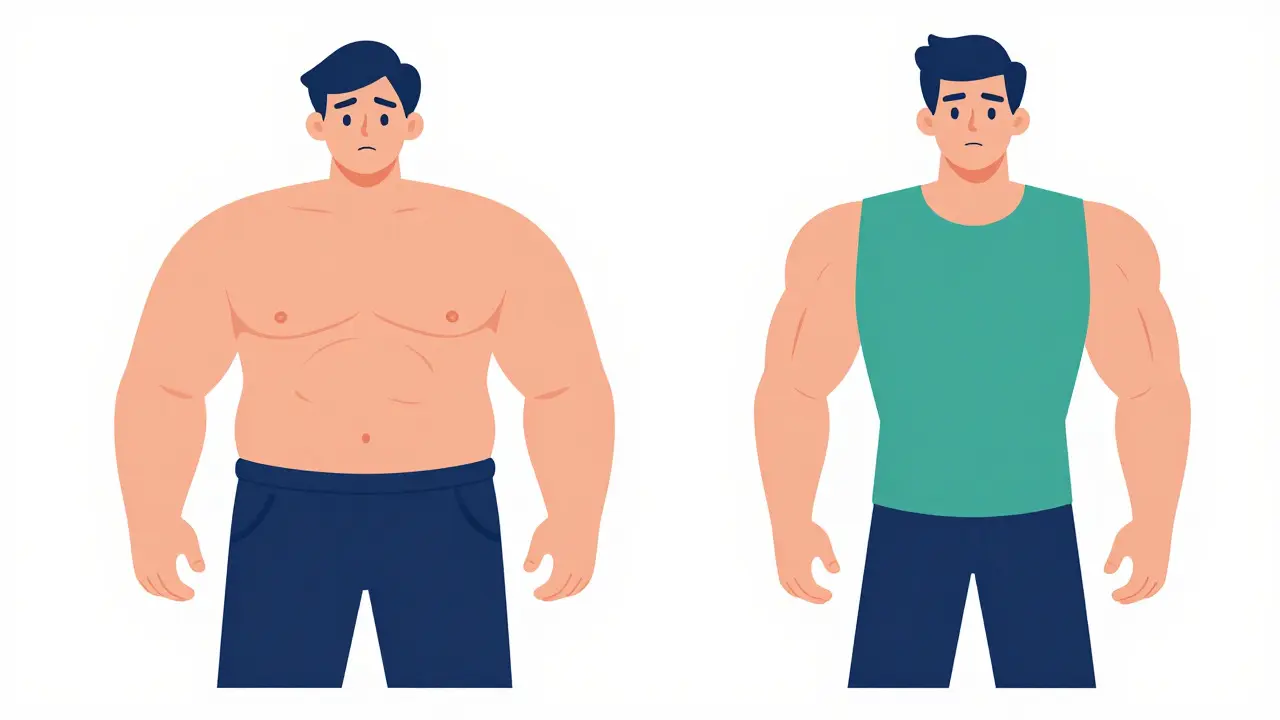
Have you ever finished a meal that was huge in volume but felt hungry again an hour later? Or perhaps you’ve lost weight on a strict diet only to find that your clothes fit loosely while your muscles looked soft and deflated. If so, you likely missed the most critical variable in modern nutrition science: protein prioritization.
This isn't just about eating chicken breast for every meal. It is a specific, evidence-based strategy focused on maximizing two biological outcomes simultaneously: keeping you full through hormonal regulation and preserving skeletal muscle mass during caloric deficits. As of mid-2026, this approach has moved from bodybuilding forums into mainstream clinical guidelines, endorsed by major health organizations for its ability to improve body composition far better than traditional low-fat or low-carb diets.
The Science Behind Staying Full and Lean
Why does protein work differently than carbs or fats when it comes to hunger? The answer lies in your hormones. When you eat a meal heavy in carbohydrates or fat, your body processes them quickly, often leading to rapid spikes and crashes in blood sugar that trigger hunger signals. Protein, however, acts as a metabolic stabilizer.
Research from Purdue University, led by Dr. Richard Mattes, shows that protein consumption significantly alters gut hormone levels. Specifically, it increases peptide YY by 25% and glucagon-like peptide-1 (GLP-1) by 20%. These are the same "satiety hormones" that tell your brain you are full. Simultaneously, protein reduces ghrelin-the "hunger hormone"-by approximately 13% compared to other macronutrients. This triple-action mechanism means you naturally eat less throughout the day without feeling deprived.
But the benefits go beyond appetite control. During weight loss, your body breaks down tissue for energy. Without adequate protein, a significant portion of that weight loss comes from lean muscle mass, not just fat. Preserving muscle is crucial because muscle tissue is metabolically active; the more you have, the more calories you burn at rest. Losing muscle slows your metabolism, making long-term weight maintenance nearly impossible.
How Much Protein Do You Actually Need?
The old standard for daily protein intake was 0.8 grams per kilogram of body weight (about 0.36 grams per pound). This number was designed to prevent deficiency in sedentary populations, not to optimize health, satiety, or muscle preservation during weight loss. Current data suggests this baseline is too low for anyone actively managing their weight.
| Demographic / Goal | Daily Intake Range (g/kg) | Key Benefit |
|---|---|---|
| Sedentary Adult (Maintenance) | 0.8 - 1.0 g/kg | Prevents deficiency |
| Active Adult / Weight Loss | 1.6 - 2.2 g/kg | Maximizes muscle preservation & satiety |
| Older Adults (65+) | 1.2 - 1.6 g/kg | Combats sarcopenia (muscle loss) |
| Athletes in Deficit | 1.8 - 2.2 g/kg | Prevents performance decline |
For most people looking to lose weight while keeping their shape, the sweet spot is around 1.6 grams per kilogram of body weight. A meta-analysis published in the Journal of the International Society of Sports Nutrition in 2023 confirmed that intakes up to 2.2 g/kg/day provide marginal additional benefits for muscle retention, particularly for those engaging in resistance training. Going higher than this rarely yields extra results and can make hitting your calorie goals difficult due to the sheer volume of food required.
The Importance of Meal Timing and Distribution
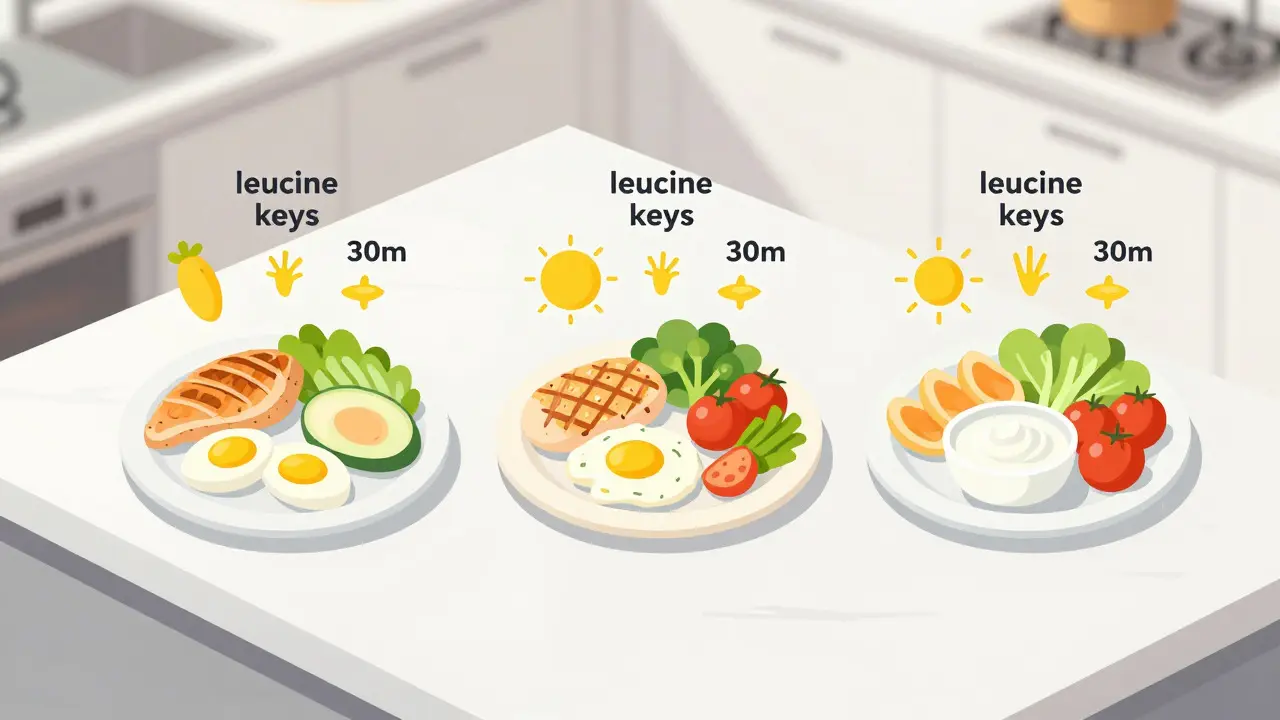
Eating all your protein in one big dinner won’t give you the same benefits as spreading it out. Your body has a limit on how much muscle protein synthesis (MPS) it can stimulate at one time. This is known as the "leucine threshold." Leucine is an essential amino acid found in protein that acts like a key, unlocking the process of building and repairing muscle.
Research indicates you need about 2.5 to 3.0 grams of leucine per meal to maximally stimulate MPS. This typically requires 25 to 30 grams of high-quality protein sources. If you eat 90 grams of protein in one sitting, your body uses what it needs for repair and converts the excess into glucose or fat storage. If you split that same 90 grams across three meals (30g each), you trigger the muscle-building signal three separate times.
This concept, championed by researchers like Dr. Douglas van Loon at Wageningen University, is called "even distribution." For optimal results, aim for 3 to 4 meals per day, spaced 3 to 4 hours apart, with each containing at least 25-30 grams of protein. Breakfast is particularly important here. Many people start their day with low-protein foods like toast or fruit, missing the first opportunity to curb hunger and kickstart metabolism. Adding eggs, Greek yogurt, or a protein shake to breakfast can stabilize your appetite for the entire morning.
Choosing the Right Protein Sources
Not all protein is created equal. Quality matters just as much as quantity. Scientists use metrics like PDCAAS (Protein Digestibility Corrected Amino Acid Score) and DIAAS (Digestible Indispensable Amino Acid Score) to rank proteins. Whey protein scores a perfect 1.0 on PDCAAS, meaning it is almost entirely absorbed and utilized by the body. Egg whites score 0.97. Plant-based proteins often score lower because they lack certain essential amino acids or are harder to digest.
If you follow a plant-based diet, you need to be strategic. Research from Aarhus University shows that plant-based protocols can result in 15-20% lower muscle protein synthesis rates compared to animal-based ones. To counter this, you may need to consume slightly more total protein or combine sources (like rice and beans) to ensure you get a complete amino acid profile. Fortifying your diet with leucine-rich plants like soy or lentils can also help bridge the gap.
Animal sources like chicken breast, lean beef, fish, and dairy remain the most efficient ways to hit your targets. However, cost is a real barrier. High-protein diets can increase food expenditure by roughly 18% according to USDA data. To manage costs, consider affordable staples like canned tuna, eggs, and frozen chicken thighs. Batch cooking can reduce these costs further by minimizing waste and allowing bulk purchasing.
Common Pitfalls and How to Avoid Them
Implementing protein prioritization isn't without challenges. One common mistake is neglecting fiber. When you cut back on carbs to make room for protein, you might inadvertently drop your vegetable intake. This leads to digestive issues, including constipation, which affects up to 37% of new adopters according to Mayo Clinic data. Always pair your protein with fibrous vegetables to keep digestion smooth.
Another issue is hydration. Processing high amounts of protein produces urea, a waste product that requires water to flush out of the kidneys. If you jump from 0.8 g/kg to 1.8 g/kg overnight without increasing your water intake, you may experience fatigue or mild kidney strain symptoms. Aim to drink an extra 1-2 liters of water daily when increasing protein intake.
Finally, don't ignore the culinary aspect. "Culinary monotony" is cited by 43% of dieters as a reason for quitting high-protein plans. Variety is key. Rotate between different meats, incorporate tofu or tempeh if you're open to it, and use spices generously. Bland food leads to cravings, regardless of how satiating the macros are.
Who Benefits Most?
While protein prioritization helps everyone, certain groups see dramatic improvements. Older adults over 65 suffer from "anabolic resistance," meaning their bodies become less efficient at using protein to build muscle. They need higher doses (1.2-1.6 g/kg) just to maintain status quo. Athletes in a caloric deficit benefit immensely, as shown in the International Society of Sports Nutrition’s 2024 position stand, which gave protein prioritization its highest evidence rating for preventing muscle loss during cutting phases.
Even for general weight management, the data is clear. The National Weight Control Registry found that 83% of successful long-term weight maintainers intentionally prioritized protein, averaging 1.5 g/kg/day. In contrast, those who relied solely on calorie counting without focusing on protein composition struggled more with hunger and regain.
Can I get enough protein from plants alone?
Yes, but it requires more planning. Plant proteins generally have lower bioavailability and leucine content than animal proteins. You will likely need to consume 10-20% more total protein and combine different sources (e.g., legumes with grains) to ensure you meet the leucine threshold for muscle synthesis. Soy, quinoa, and hemp seeds are excellent plant-based options.
Is high protein bad for my kidneys?
For healthy individuals, high protein intake (up to 2.2 g/kg/day) is safe and does not damage kidneys. However, if you have pre-existing kidney disease, consult your doctor before increasing intake. The main risk for healthy people is dehydration, so ensure you drink plenty of water.
Does the type of protein matter for weight loss?
Yes. Whole food sources like chicken, fish, and eggs provide micronutrients and higher satiety than processed protein bars or shakes. While supplements are convenient for hitting targets, relying solely on them can lead to nutrient deficiencies and less satisfaction. Aim for whole foods as your primary source.
How do I calculate my protein needs?
Multiply your body weight in kilograms by 1.6 (for active weight loss) or 1.2 (for older adults/maintenance). If you weigh in pounds, divide by 2.2 to get kg, then multiply by the factor. For example, a 180 lb person (82 kg) aiming for weight loss should target roughly 130 grams of protein per day (82 x 1.6).
What if I feel bloated after starting a high-protein diet?
Bloating is common when suddenly increasing protein and fiber intake. Increase your water consumption immediately. Also, introduce protein gradually over 1-2 weeks rather than all at once. Consider taking a probiotic or eating fermented foods to support gut bacteria adaptation. If bloating persists, check for intolerances to specific proteins like dairy or soy.