
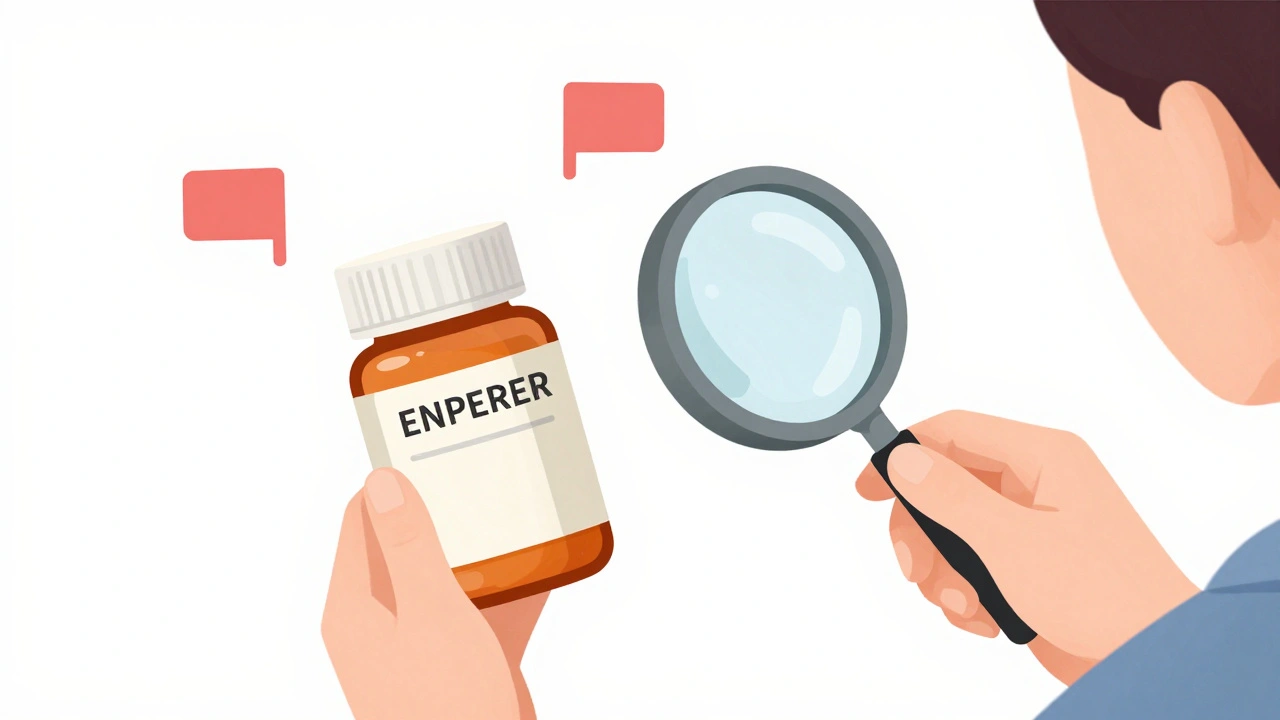
Every year, millions of people around the world take medicine they think is real - but it’s not. Fake pills, counterfeit injections, and falsified packages look identical to the real thing. They might even come in the same box with the same logo. But inside? They could have no active ingredient. Or too much. Or something dangerous altogether. And if you’re not checking, you won’t know until it’s too late.
Why Your Eyes Matter More Than You Think
Technology has made it harder for counterfeiters to fool systems - serialization codes, QR codes, blockchain tracking - but none of that helps if you’re buying from a sketchy website or swallowing a pill without looking at the packaging. The truth is, no scanner, app, or government agency can catch every fake before it reaches you. That’s where you come in.According to the World Health Organization, up to 30% of medicines sold in low-income countries are fake. Even in places like the U.S. and Australia, where regulations are strong, about 1 in 100 pills you buy online could be counterfeit. And most of those come from websites that look legit - until you dig deeper.
Here’s the hard part: counterfeiters are getting better. Seven out of ten fakes now pass a basic visual check. That means if you just glance at the box and think, “Looks fine,” you’re already at risk. Real vigilance means slowing down. Checking. Questioning.
How to Spot a Fake Medicine - Step by Step
You don’t need a lab or a degree to catch a fake. You just need to know what to look for. The World Health Professions Alliance created a simple tool called BE AWARE - and it works. Here’s what it means:
- B - Box: Is the packaging damaged? Are the colors faded? Are there spelling mistakes? Even one wrong letter - like “Aventis” instead of “Aventis” - is a red flag.
- E - Expiration date: Does it match the batch number? Is it too far in the future? Fake medicines often have fake dates printed poorly or smudged.
- A - Appearance: Compare the pill to one you’ve taken before. Same shape? Same color? Same imprint? If your diabetes pill suddenly looks lighter or has a different marking, don’t take it.
- R - Seals: Is the blister pack sealed? Is the outer box sealed with tamper-evident tape? If the seal is broken, missing, or looks like it was re-glued, walk away.
- E - Expiration and batch: Look for the batch number. If you can’t find it, or it’s printed on a sticker instead of embossed, be suspicious.
- A - Ask: If you’re unsure, ask your pharmacist. They’re trained to spot fakes. Don’t be embarrassed. Better safe than sorry.
- R - Report: If something feels off, report it. In Australia, contact the TGA. In the U.S., go to the FDA’s MedWatch program. Your report could stop a batch from hurting someone else.
One woman in Brazil noticed her insulin pills had a different texture and color than usual. She called her pharmacy. They confirmed it wasn’t the right batch. The pills were fake. She saved her family from a potential overdose.
Where Not to Buy Medicine
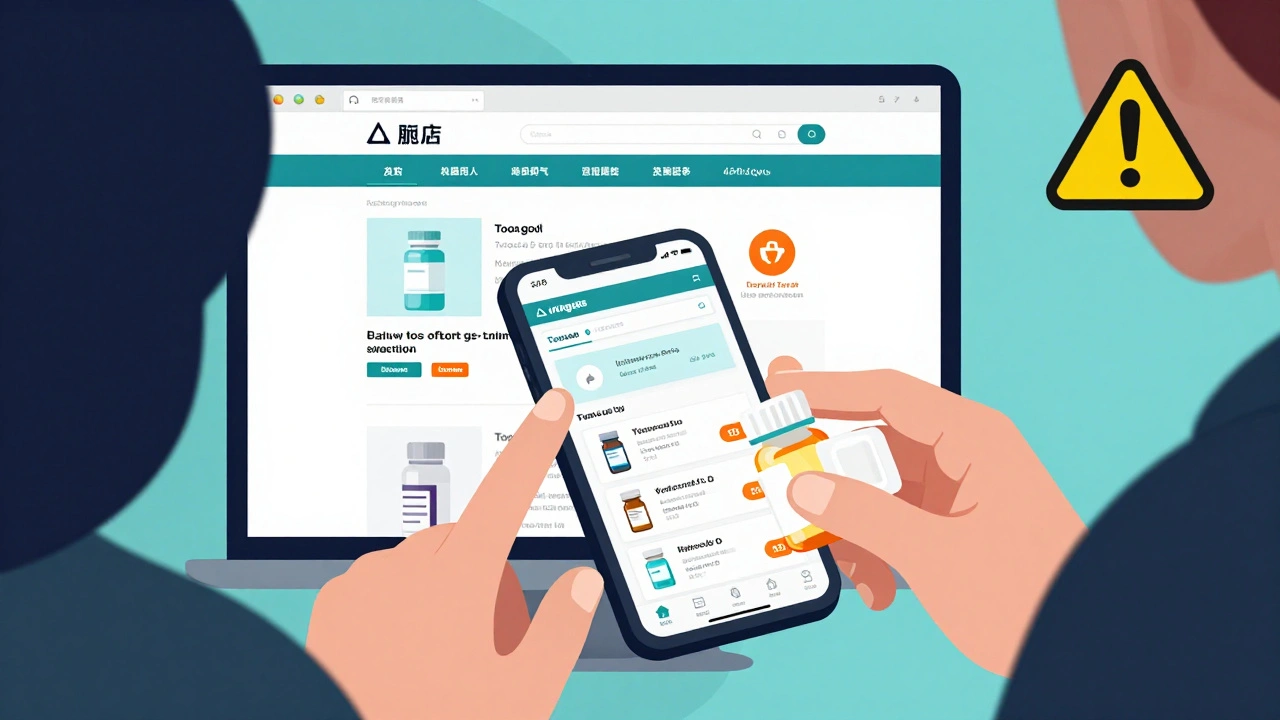
The biggest risk isn’t street vendors or shady markets anymore. It’s websites. Over 89% of counterfeit medicines come from online sources, according to Pfizer’s 2023 safety report. And most of these sites look professional. They have logos, testimonials, and even fake certifications.
Here’s how to avoid them:
- Only buy from pharmacies with a .pharmacy domain. That’s a verified seal. If the site ends in .com, .net, or .xyz - especially if it’s based overseas - it’s not safe.
- Never buy from social media ads. Instagram, Facebook, TikTok - no matter how convincing the post - are not pharmacies.
- Don’t trust “too good to be true” prices. If your $120 prescription is suddenly $30, it’s fake. Real medicines don’t go on sale like that.
- If a site doesn’t ask for a prescription, run. Legitimate online pharmacies require one. Period.
A 2023 survey by the National Association of Boards of Pharmacy found that 41% of U.S. consumers bought medicine online without checking for the .pharmacy seal. Nearly 1 in 5 of them later reported side effects linked to fake drugs.
What Technology Can’t Do - And What You Can
Some pharmacies now use QR codes to let you scan and verify your medicine. France and Brazil launched these systems in early 2024. They’re great - if you know how to use them. But here’s the catch: 63% of people still don’t scan them. They just take the pill.
Technology helps. But it doesn’t replace you. A counterfeit pill might have a perfect QR code - because the fakeers copied it. A fake box might have a real serial number - stolen from a real batch. Only you can notice that the pill smells weird. That the bottle feels lighter. That the instructions are written in broken English.
Studies show that people who check their medicine visually can catch 70-80% of fakes. That’s not perfect. But it’s powerful. Especially when combined with buying from trusted sources.
What to Do If You Find a Fake
If you suspect a medicine is fake, don’t throw it away. Don’t flush it. Don’t keep it.
Take it to your pharmacist. They’ll know what to do. In Australia, report it to the Therapeutic Goods Administration (TGA). In the U.S., use the FDA’s MedWatch system. In the EU, contact your national medicines agency.
These reports matter. In 2023, Pfizer received over 14,000 consumer reports. Those reports led to 217 counterfeit batches being seized across 116 countries - preventing an estimated 3.2 million harmful doses from being taken.
Your report doesn’t just protect you. It protects strangers.
Why This Isn’t Just Your Problem
Some people say, “Why should I bother? The government should handle this.” But the truth is, regulators can’t be everywhere. Labs can’t test every pill. Algorithms can’t catch every fake website.
And here’s the uncomfortable part: in places where medicines are expensive or hard to get, people buy fakes because they have no choice. That’s not vigilance - that’s desperation. And it’s why some experts argue that blaming patients is unfair.
But here’s what we can agree on: if you have access to safe medicine, you have a responsibility to use it safely. Not because you’re being watched - but because someone else might be counting on you to speak up.
One wrong pill can kill. Or it can start a chain reaction - a hospitalization, a lost job, a family’s savings wiped out. You don’t need to be a detective. You just need to be careful.
What’s Changing - And What’s Next
Things are moving. By 2027, 95% of prescription medicines are expected to have consumer-verifiable features - QR codes, digital leaflets, blockchain tracking. But adoption is uneven. In low-income countries, only 42% have functional verification systems.
Meanwhile, counterfeiters are using 3D printing to make fake blister packs that fool scanners. They’re hacking legitimate supply chains. They’re targeting elderly patients who trust their local pharmacy - even if it’s not real.
The solution isn’t just tech. It’s awareness. The WHO wants 70% of the global population to understand how to spot fake medicines by 2028. Right now, only 29% of people in low-income countries can do it. In high-income nations, it’s 78%.
That gap isn’t just a statistic. It’s a life-or-death divide.
Start Today - No Special Tools Needed
You don’t need an app. You don’t need a subscription. You just need to pause.
Before you swallow your next pill, look at it. Compare it to the last one. Check the box. Read the label. Ask your pharmacist if you’re unsure. If something doesn’t feel right - trust that feeling.
It’s not paranoia. It’s protection.
Counterfeit medicines are a global problem. But you’re not powerless. You’re the last line of defense. And that matters more than any system ever could.
vanessa parapar
December 5, 2025 AT 04:21Okay, but let’s be real-most people don’t even read the label on their aspirin. I’ve seen grandmas swallow pills from random Amazon sellers because ‘it’s cheaper.’ And then they wonder why they’re dizzy. This isn’t just about vigilance-it’s about basic human responsibility. If you’re too lazy to check a pill, don’t blame the system when you get sick.
Ben Wood
December 7, 2025 AT 00:09Actually, the WHO’s 30% figure is misleading-it conflates unregulated traditional medicines with pharmaceutical counterfeits. And the FDA’s 1-in-100 statistic? That’s based on unverified online purchases, not legitimate pharmacies. You’re conflating criminal activity with systemic failure. Also, ‘BE AWARE’? That’s a marketing gimmick, not a scientific protocol. Real detection requires chromatography, not a glance.
Sakthi s
December 7, 2025 AT 04:50Good reminder. Small checks save lives. Stay alert, stay safe.
Abhi Yadav
December 8, 2025 AT 06:50We’re all just molecules floating in a system that doesn’t care if we live or die… but still, we reach for the pill. Isn’t that the tragedy? We trust because we have to. The real counterfeit isn’t the medicine-it’s the promise of safety in a broken world. 🌑
Julia Jakob
December 9, 2025 AT 23:25Y’all act like this is some new thing. My grandma got fake antibiotics in ’09 from a ‘pharmacy’ in Mexico City. She ended up in the ICU. Now I check every bottle like it’s a bomb. And yeah, I’ve caught fakes before. One had ‘Bayer’ spelled with a ‘Y’-like, really? You think I’m stupid? 🤡
Robert Altmannshofer
December 11, 2025 AT 06:19I love how this post doesn’t just scare you-it gives you tools. The BE AWARE acronym? Genius. I’ve started showing my mom how to check her blood pressure meds. She’s 72, doesn’t use tech, but she can spot a smudged date. That’s power. We don’t need apps. We need people teaching people. And yeah, if your pill looks weird? Don’t take it. Even if your doctor said ‘it’s fine.’ Trust your gut.
Kathleen Koopman
December 11, 2025 AT 23:11OMG YES 🙌 I just caught a fake OxyContin last month-the pill was a different shade of yellow and the imprint was slightly off. I called the pharmacy and they were like ‘oh wow, we didn’t even notice.’ Now I scan everything. QR codes are a game-changer! 🧪💊 #StaySafe
Nancy M
December 13, 2025 AT 23:00In many parts of the world, access to medicine is a privilege, not a right. To demand vigilance from someone who waits three weeks for insulin because their insurance denies coverage… that’s not empowerment. That’s cruelty. The real enemy isn’t the patient who buys a fake pill-it’s the system that leaves them no choice. We must fix the infrastructure before we blame the individual.
Precious Angel
December 14, 2025 AT 22:33Let me tell you something-this whole ‘fake medicine’ panic is just another fear-mongering tactic by Big Pharma to scare you into buying more expensive ‘verified’ drugs. Did you know the FDA approves generics that are 95% identical? And yet they charge you $200 for the brand name? Meanwhile, the ‘counterfeit’ pills you’re terrified of? They’re often the exact same active ingredients-just cheaper. You’re being manipulated. Wake up. The real danger is corporate greed, not some guy selling pills on Instagram.
Krys Freeman
December 15, 2025 AT 13:21Why are we even talking about this? The U.S. has the best drug safety in the world. If you’re buying from a sketchy site, you’re asking for trouble. Stop blaming America for your bad choices.
Jerry Ray
December 15, 2025 AT 15:11Actually, the WHO data is outdated. The 30% figure is from 2017. New studies show it’s closer to 12% in low-income countries now, thanks to better supply chains. And the 89% online stat? That includes every single unregulated supplement site-like ‘Turmeric Detox Capsules’ sold on Etsy. This article is conflating supplements with real prescription meds. It’s misleading.
David Ross
December 16, 2025 AT 20:48There is no such thing as a ‘fake’ medicine that passes a visual inspection-unless you’re referring to a generic that’s been legally manufactured. The only counterfeits are those that violate trademark law. If the pill has the correct active ingredient, dosage, and dissolution profile, then it’s not fake-it’s just unbranded. You’re creating panic over semantics.
Sophia Lyateva
December 17, 2025 AT 16:46They’re putting microchips in the pills. And the QR codes? They’re tracking your location and your health data. The FDA, WHO, and Big Pharma are using this ‘fake medicine’ scare to install surveillance tech in your medicine cabinet. You think they care if you live? They care if you’re monitored. Don’t take anything unless you’ve verified it with a metal detector and a Faraday cage. I’ve seen the documents.