
Chronic migraines aren’t just bad headaches. They’re neurological events that can knock you out for hours or even days-often with nausea, light sensitivity, and a crushing pressure behind the eyes. If you’ve been stuck in a cycle of painkillers that don’t last or prescriptions that leave you feeling worse, you’re not alone. About 39 million people in the U.S. alone live with migraines, and nearly 4.3 million of them have chronic migraines-15 or more headache days a month. The good news? We now have more effective, targeted options than ever before. The challenge? Knowing which ones actually work-and when to use them.
Abortive Medications: Stopping a Migraine in Its Tracks
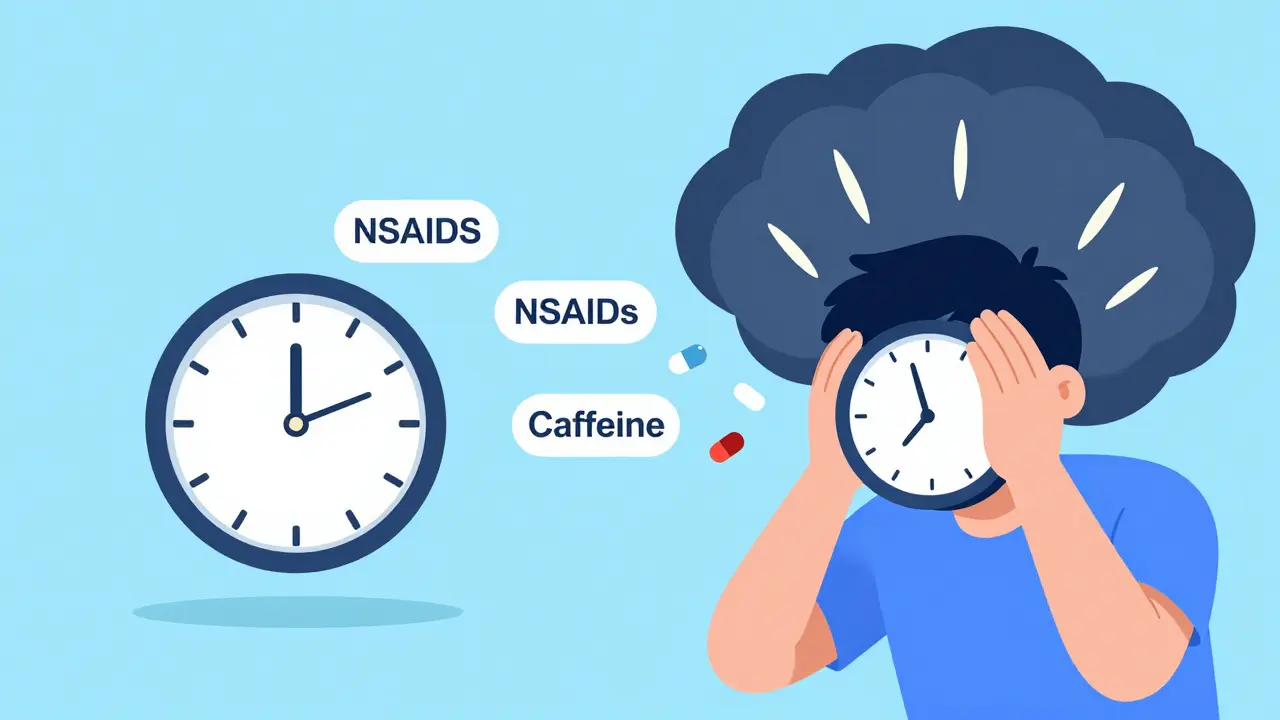
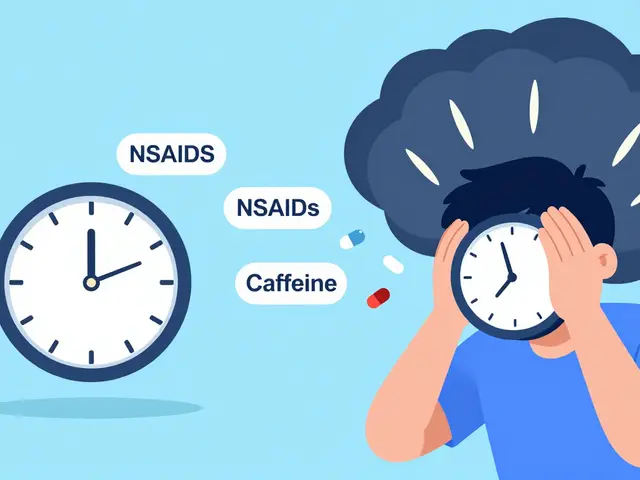
Abortive meds are your first line of defense when a migraine hits. They don’t prevent attacks-they stop them. But timing matters. Taking them within the first hour of pain starts makes a huge difference. Studies show early use cuts recurrence rates from 30-40% down to 15-25%. If you wait until the pain is full-blown, your stomach may already be shutting down (a condition called gastric stasis), making pills useless.First-line options are simple and cheap: NSAIDs like ibuprofen (400mg), naproxen (550mg), or aspirin (900-1000mg). They work by blocking inflammation-causing enzymes. For many, this is enough. A 2023 review from StatPearls found NSAIDs give 20-53% pain freedom within two hours. Combine them with caffeine (like in Excedrin Migraine: 250mg aspirin, 250mg acetaminophen, 65mg caffeine) and you get a synergistic boost-studies show this combo works better than either drug alone.
When NSAIDs fall short, triptans step in. These include sumatriptan, rizatriptan, and zolmitriptan. They target serotonin receptors to narrow blood vessels and calm nerve signals. Triptans are the gold standard for moderate to severe migraines. Pain freedom rates? Between 42% and 76% at two hours, depending on the drug and dose. But they’re not for everyone. If you have heart disease, high blood pressure, or a history of stroke, triptans can be risky.
That’s where newer options come in. CGRP receptor antagonists like ubrogepant (Ubrelvy) and rimegepant (Nurtec ODT) are game-changers. Unlike triptans, they don’t constrict blood vessels, so they’re safe for people with cardiovascular issues. A 2021 JAMA meta-analysis confirmed both cut migraine pain by over 50% in two hours for many patients. Rimegepant has the added bonus of being approved for both acute treatment and prevention. It’s an orally dissolving tablet-you can take it even if your stomach is rejecting food.
Then there’s lasmiditan (Reyvow). It works differently-targeting serotonin 5-HT1F receptors instead of 1B/1D. That means no vasoconstriction at all. In a 2022 meta-analysis, lasmiditan 200mg showed a 56% chance of pain relief at two hours, making it the most effective option for triptan failures. But it comes with a catch: it can cause dizziness and sedation. You can’t drive or operate machinery for 8 hours after taking it.
For severe cases, IV treatments in ERs or infusion centers are options. Acetaminophen, magnesium sulfate, and prochlorperazine are commonly used. Surprisingly, a 2022 Neurology network meta-analysis found IV acetaminophen outperformed sumatriptan in early pain reduction.
Preventive Medications: Reducing the Frequency Before It Starts
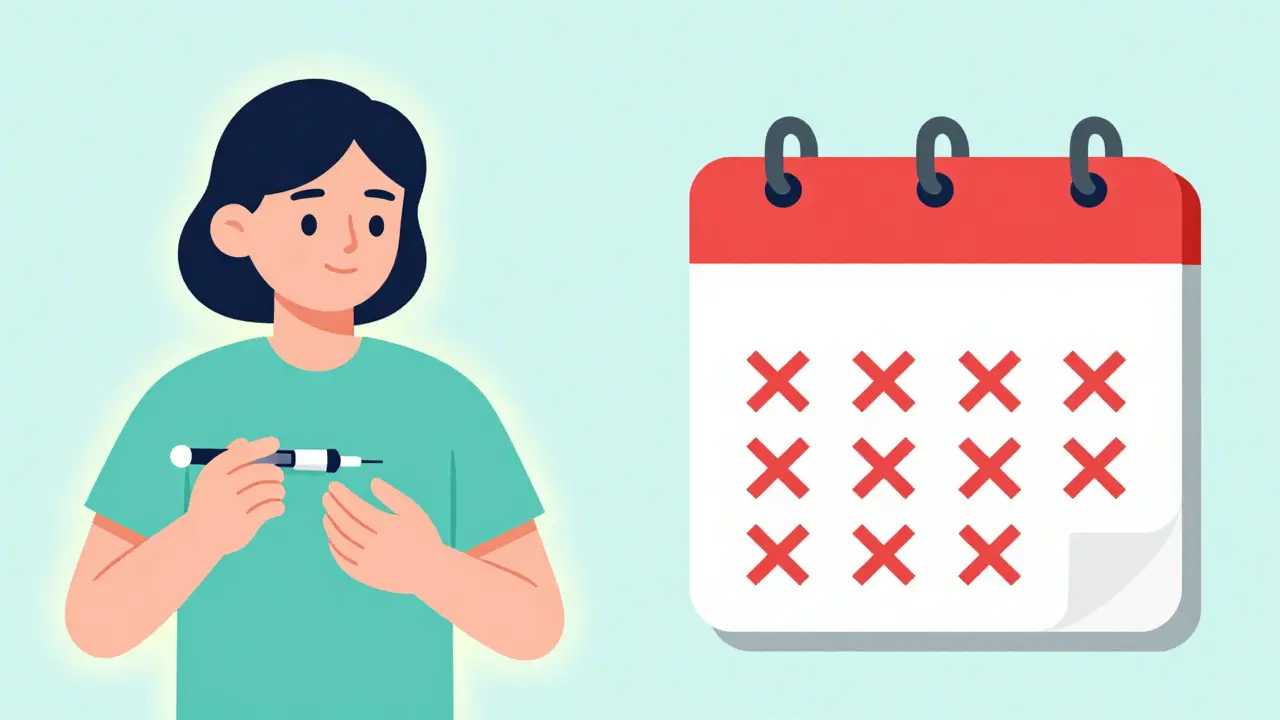
If you’re having 4 or more migraine days a month, or if abortive meds aren’t cutting it, prevention is the next step. Preventive meds are taken daily-even on pain-free days-to reduce attack frequency, severity, and duration.For decades, the go-to options were repurposed drugs: beta-blockers like propranolol and metoprolol, anticonvulsants like topiramate and valproate, and antidepressants like amitriptyline. These have solid evidence. The American Academy of Neurology gives them Level A status-meaning they’re proven effective. But side effects are real. Topiramate can cause brain fog and tingling. Amitriptyline makes you sleepy. Propranolol can drop your heart rate too low.
The real revolution? CGRP monoclonal antibodies. These are injectables-monthly or quarterly-that block the calcitonin gene-related peptide, a key molecule in migraine signaling. Erenumab (Aimovig), fremanezumab (Ajovy), and galcanezumab (Emgality) are FDA-approved and backed by strong data. In trials, patients saw 50% fewer migraine days on average. And unlike older drugs, they don’t affect your liver, kidneys, or mood. Side effects? Mostly mild: injection site reactions or constipation.
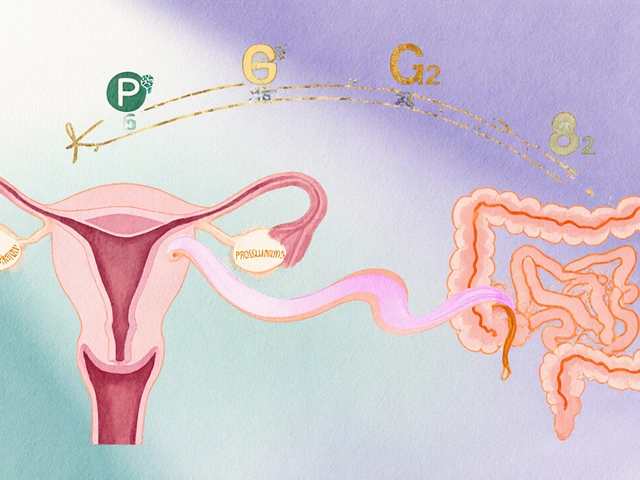
For women with menstrual migraines, long-acting triptans like frovatriptan (2.5mg twice daily) taken a few days before and during your period can cut attacks by half. This is one of the few targeted prevention strategies for hormone-triggered migraines.
The 2020 AAN guidelines added CGRP antibodies to Level A evidence-meaning they’re now considered as effective as beta-blockers and anticonvulsants. And they’re preferred for patients who can’t tolerate older drugs or need something with fewer cognitive side effects.
What’s New in 2025: Zavegepant and Beyond
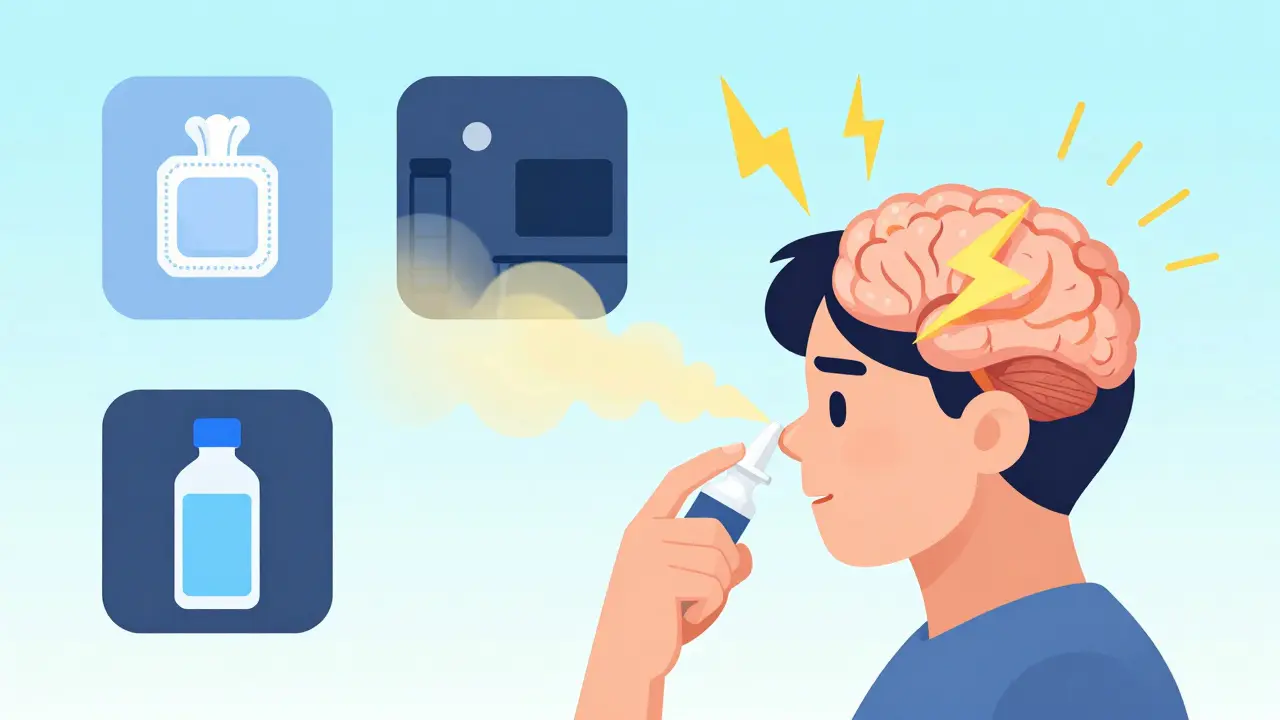
In late 2023, the FDA approved zavegepant (Zavzpret), the first CGRP blocker you can spray up your nose. It works fast-24% of users were pain-free in two hours compared to 15% on placebo. No swallowing pills. No stomach issues. Just a quick spray. It’s especially useful for people who vomit during attacks or can’t keep anything down.Another emerging option is atogepant (Qulipta), an oral CGRP blocker already approved for prevention. It’s being studied for episodic migraine, with results expected in late 2024. Early data shows it reduces monthly headache days by 4-5 days on average.
Looking ahead, researchers are exploring genetic markers and biomarkers to match patients with the right drug. One headache specialist in Denmark told Neurology Times: “The next frontier is personalized medicine.” Imagine a blood test that tells you whether you’ll respond better to a triptan, a CGRP antibody, or a 5-HT1F agonist. That’s not science fiction-it’s coming.
Biggest Mistakes People Make
Most migraine sufferers aren’t getting the care they need. A 2021 JAMA analysis of over 2,800 migraine visits found only 18.9% received evidence-based abortive meds. Meanwhile, 15.2% were given narcotics-like opioids-which are not recommended by any major guideline. Narcotics don’t treat migraines. They just mask pain, and they increase the risk of medication overuse headache (MOH).MOH happens when you use abortive meds too often. For triptans, it’s around 10 doses per month. For NSAIDs, it’s 15. After that, your brain starts depending on the drug, and headaches get worse and more frequent. It’s a vicious cycle. Many patients think they’re treating migraines-they’re actually creating them.
Another common error? Waiting too long to take your med. If you’re using rimegepant or a triptan, take it at the first sign of pain-not when you’re doubled over. Use a headache diary. Track timing, triggers, and what worked. A 2019 Cephalalgia study showed people who kept a diary for 8 weeks identified their triggers with 70% accuracy.
And don’t forget non-drug support. Ice packs, dark rooms, and hydration help. One study found 63% of patients who combined meds with these strategies had better outcomes than those who relied on pills alone.
Cost, Access, and Insurance Hurdles
The newer drugs are expensive. Ubrogepant can cost $900 for six tablets without insurance. CGRP antibodies run $600-$800 per injection. But here’s the catch: 65% of commercially insured patients get coverage for these drugs, according to IQVIA. The problem? Step therapy. Most insurers make you try and fail on cheaper drugs first-like topiramate or propranolol-before approving a CGRP antibody. That can mean months of trial and error.Some patient assistance programs exist. AbbVie (Aimovig), Teva (Ajovy), and Eli Lilly (Emgality) all offer co-pay cards that reduce monthly costs to under $50 for eligible patients. Nurtec ODT has a similar program. Don’t assume you can’t afford it-ask your doctor or pharmacist about savings options.
And if you’re on Medicare or Medicaid? Coverage varies by state. Some plans cover CGRP drugs without step therapy. Call your plan directly. Don’t let cost stop you from asking.
When to See a Specialist
If you’ve tried two or three abortive meds and they don’t work-or if you’re using them more than 10 days a month-it’s time to see a headache specialist. General neurologists may not have the latest training. Look for someone certified in headache medicine. They’ll help you navigate combinations: maybe a CGRP antibody for prevention, plus rimegepant for acute attacks. Or triptans with naproxen for synergy.Also, if your migraines are changing-new symptoms, worse frequency, or starting after age 50-get checked. That could signal something else.
Support matters too. The National Headache Foundation’s hotline answered 92% of calls within three minutes in 2022. They offer free resources, coaching, and help navigating insurance. You don’t have to figure this out alone.
Bottom Line: Your Treatment Plan Should Be Personal
There’s no one-size-fits-all migraine treatment. What works for your friend might not work for you. The goal isn’t to eliminate every headache-it’s to reduce the burden enough that you can live your life.Start with NSAIDs or a triptan if you’re healthy. If they fail or aren’t safe for you, move to CGRP blockers. If you’re having frequent attacks, add prevention. Track your symptoms. Avoid overuse. Ask about cost help. And don’t settle for painkillers that don’t fix the problem.
Migraine care has changed. We’re no longer guessing. We have targeted tools. The question isn’t whether treatment exists-it’s whether you’ve been given the right one.
Can I take triptans and NSAIDs together?
Yes, and it often works better than either alone. Studies show combining eletriptan with naproxen gives 32% pain-free rates at two hours-much higher than either drug by itself. This combo is recommended for moderate to severe migraines when a single drug isn’t enough. Just avoid taking NSAIDs daily to prevent medication overuse headache.
Are CGRP medications safe long-term?
So far, yes. CGRP inhibitors have been used for about five years, and large studies show no major safety concerns. They don’t affect liver function, blood pressure, or mood. The most common side effects are mild constipation or injection site reactions. Long-term data beyond five years is still being collected, but current evidence supports their use for years if needed.
Why do I still get migraines even when taking preventive meds?
Preventive meds reduce frequency and severity-they don’t eliminate all attacks. It can take 2-3 months for them to reach full effect. Also, triggers like stress, sleep loss, or weather changes can still cause breakthrough migraines. That’s why combining prevention with abortive meds and lifestyle adjustments gives the best results.
Can I use migraine meds while pregnant?
Most abortive and preventive meds aren’t recommended during pregnancy. Acetaminophen is considered safest for acute relief. Triptans have limited data but are sometimes used under supervision. CGRP antibodies are not approved for pregnancy. Always consult your OB-GYN and neurologist before taking any migraine medication while pregnant.
How do I know if I have medication overuse headache?
If you’re using acute migraine meds (triptans, NSAIDs, or opioids) 10 or more days a month and your headaches are getting worse or more frequent, you may have MOH. The headaches often feel like your usual migraines but occur more regularly, sometimes daily. Stopping the overused meds-under medical supervision-is the only cure. It’s hard at first, but headaches usually improve within 2-8 weeks.
Carolyn Rose Meszaros
January 19, 2026 AT 03:49Just took my first Nurtec ODT last week and wow. No dizziness, no nausea, just... relief. Like someone turned off a fire alarm in my skull. 🙌
Greg Robertson
January 20, 2026 AT 02:30I used to rely on opioids for my migraines until my doctor straight-up told me I was creating more pain than I was fixing. Switched to rimegepant and naproxen combo. Life changed. No more guilt, no more haze. Just peace.
Renee Stringer
January 21, 2026 AT 14:08People don’t realize how dangerous it is to treat migraines like regular headaches. You’re not ‘just stressed.’ You’re having a neurological event. Stop taking ibuprofen like candy.
Crystal August
January 22, 2026 AT 11:00Why do doctors keep pushing these $800/month injections? I’ve been on topiramate for 3 years and it’s fine. You people act like we’re all rich. My insurance denied me the CGRP stuff 3 times. Guess what? I’m still alive.
Nadia Watson
January 23, 2026 AT 05:43I’ve been managing chronic migraines for 17 years. I’ve tried everything. From acupuncture to biofeedback to ketamine infusions. The one thing that changed everything? Keeping a daily headache log. Not fancy apps. Just a notebook. Write down what you ate, how you slept, the weather, the time. You’ll start seeing patterns. I found out my trigger was aged cheese. Who knew? 😅
Also, hydration. Not just water. Electrolytes. I keep a salt packet in my purse now. It’s not magic. But it helps.
And please, if you’re on meds, don’t stop them cold turkey. Talk to your doctor. I did that once. Ended up in the ER. Not worth it.
There’s no cure. But there’s control. And that’s enough.
Don’t let anyone tell you it’s all in your head. It’s in your brain. And that’s real.
You’re not weak for needing help. You’re smart for seeking it.
Courtney Carra
January 24, 2026 AT 23:47It’s funny how we treat pain like a moral failure. Like if you’re not ‘strong enough’ to endure it, you’re somehow broken. But migraines aren’t a test of willpower. They’re biology. And biology doesn’t care how hard you meditate or how many crystals you wear.
We’re told to ‘push through’ - but what if pushing through is what’s making it worse?
Maybe the real rebellion isn’t enduring - it’s asking for help. And then actually taking it.
pragya mishra
January 25, 2026 AT 01:17In India, we don’t even have access to half of these drugs. My sister takes paracetamol and lies in a dark room for 3 days. No insurance. No specialists. Just silence and suffering. This post feels like a luxury.
Manoj Kumar Billigunta
January 25, 2026 AT 10:05Hey, I’m from India too. I get what you’re saying. But here’s something that helped me: coconut water. Yes, really. It’s natural electrolytes. And turmeric with black pepper - anti-inflammatory. I combine it with rest and cold compress. Not a cure, but it takes the edge off. And it’s cheap. You don’t need fancy pills to feel better sometimes.
Shane McGriff
January 26, 2026 AT 07:25Just had my first zavegepant spray. Felt like a sci-fi movie. Spray it up your nose, wait 15 minutes, and boom - the pressure lifts. No pills. No stomach issues. I cried. Not because I was sad. Because I hadn’t felt this clear in years.
Jacob Cathro
January 26, 2026 AT 18:56So let me get this straight - we’re being sold a $900 nasal spray because Big Pharma wants to replace ibuprofen? Sounds like a scam. Also, why are all these drugs named after sci-fi characters? Rimegepant? Lasmiditan? Are we in a Marvel movie now?
clifford hoang
January 27, 2026 AT 06:34They’re hiding the truth. The real cause of migraines? 5G radiation. The CGRP drugs? Just masking symptoms while the real enemy - corporate microchips in your water supply - keeps growing. I’ve been tracking my aura patterns since 2019. They sync with satellite launches. Don’t trust the FDA. They’re in bed with Big Pharma. 🕵️♂️📡
Arlene Mathison
January 27, 2026 AT 09:22If you’re reading this and you’re still suffering - you’re not alone. I used to hide in the bathroom for hours. Now I take my Nurtec, put on my eye mask, and let myself rest. No guilt. No shame. You deserve relief. Go get it.
Emily Leigh
January 28, 2026 AT 16:55Wait… so we’re supposed to believe that a spray up the nose is better than a pill? And that’s the ‘future’? What’s next? A drone that delivers triptans to your forehead? This is ridiculous. Also, ‘CGRP’? Sounds like a typo for ‘CRAP’.
thomas wall
January 30, 2026 AT 08:06It is profoundly concerning that the medical establishment continues to prioritize pharmacological intervention over holistic, lifestyle-based management. One must question the integrity of a system that commodifies neurological distress into proprietary molecules, while neglecting the foundational role of circadian rhythm, dietary modulation, and psychological resilience. The pharmaceutical industry does not heal - it monetizes suffering.