
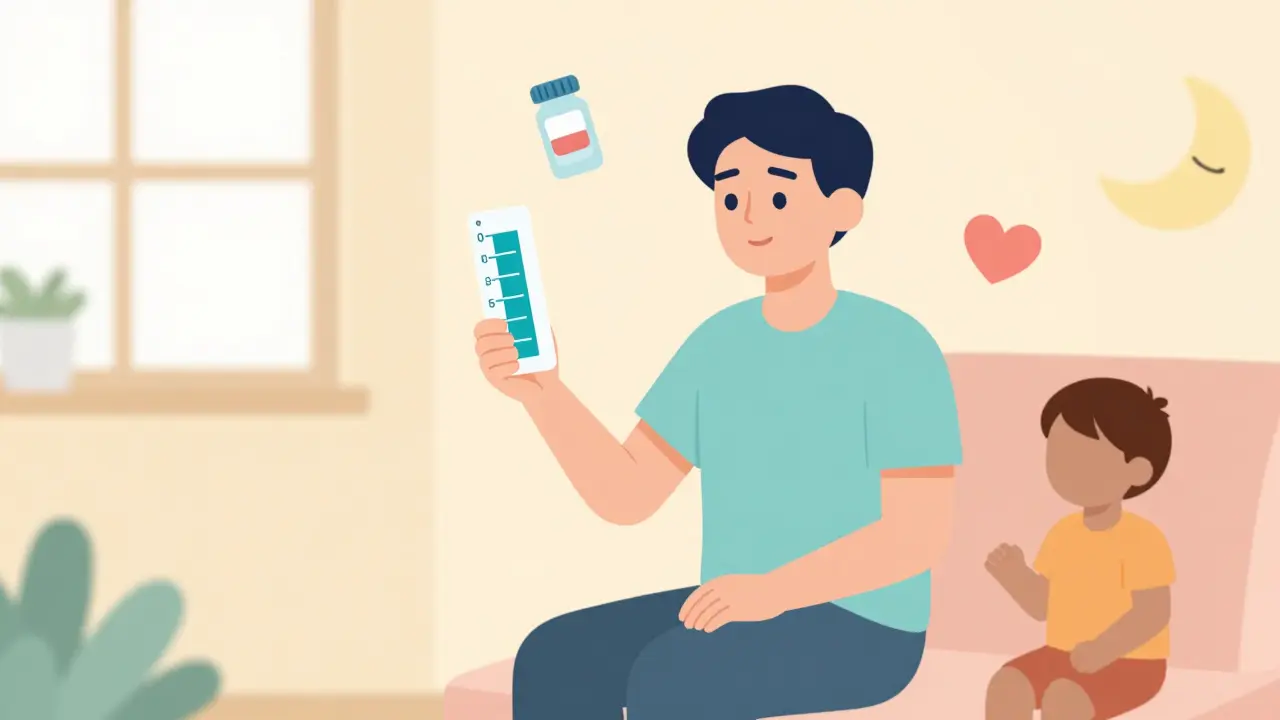
When someone is living with advanced cancer, the goal shifts from curing the disease to making life as comfortable as possible. This is where palliative care comes in-not as a last resort, but as a vital part of treatment from the very beginning. The focus? Two things: stopping pain before it controls your life, and helping you live well despite the illness.
Why Pain in Cancer Isn’t Just Physical
Cancer pain isn’t one thing. It can be sharp from a tumor pressing on a nerve, deep and aching from bone metastases, or burning from nerve damage caused by chemotherapy. About 70 to 90% of people with advanced cancer will feel significant pain at some point. Yet, studies show that nearly half of them still don’t get proper relief. Why? Often, it’s not because the treatments don’t work-it’s because pain isn’t asked about, isn’t tracked, or isn’t taken seriously enough. The National Comprehensive Cancer Network (NCCN) says every cancer patient must be screened for pain at diagnosis and at every follow-up. That means doctors should ask: On a scale from 0 to 10, how bad is your pain right now? Zero is no pain. Ten is the worst pain you can imagine. This simple number is the first step to control. But pain isn’t just a number. It’s also about sleep, mood, movement, and being able to sit with family. If you’re in pain, you don’t eat. You don’t talk. You withdraw. That’s why palliative care looks at the whole person-not just the tumor.The Three-Step Pain Ladder: What Works and How
The World Health Organization’s three-step analgesic ladder is still the foundation of cancer pain management today. It’s simple, evidence-based, and works for most people when used correctly.- Step 1 (Mild pain): Start with acetaminophen (up to 4,000 mg a day) or an NSAID like ibuprofen (400-800 mg three times a day). These help with inflammation and mild discomfort. But don’t use NSAIDs long-term if you have kidney issues or stomach ulcers.
- Step 2 (Moderate pain): Add a weak opioid like codeine (30-60 mg every 4 hours). This isn’t for everyone-it’s often combined with acetaminophen. Some patients need this for weeks; others move on quickly.
- Step 3 (Severe pain): Strong opioids like morphine (starting at 5-15 mg every 4 hours) are the gold standard. Dosing isn’t one-size-fits-all. It’s adjusted based on how the body responds. Breakthrough pain-sudden spikes between doses-is treated with extra doses, usually 10-15% of your total daily amount.
When Opioids Don’t Work-or Cause New Problems
Not everyone responds to morphine. Some get nausea, constipation, or confusion. Others develop something called opioid-induced hyperalgesia, where the pain gets worse over time even as the dose increases. This happens in 15-20% of long-term users. When that happens, switching opioids helps. You don’t just crank up the dose-you change the drug. Fentanyl patches, methadone, or oxycodone might work better. But switching isn’t simple. You need an equianalgesic table to calculate the right dose. Never just swap one opioid for another at the same dose. You risk overdose. Doctors often start at 50-75% of the calculated equivalent dose. Why? Because your body hasn’t fully adjusted to the new drug. It’s like turning down the volume before you change the speaker.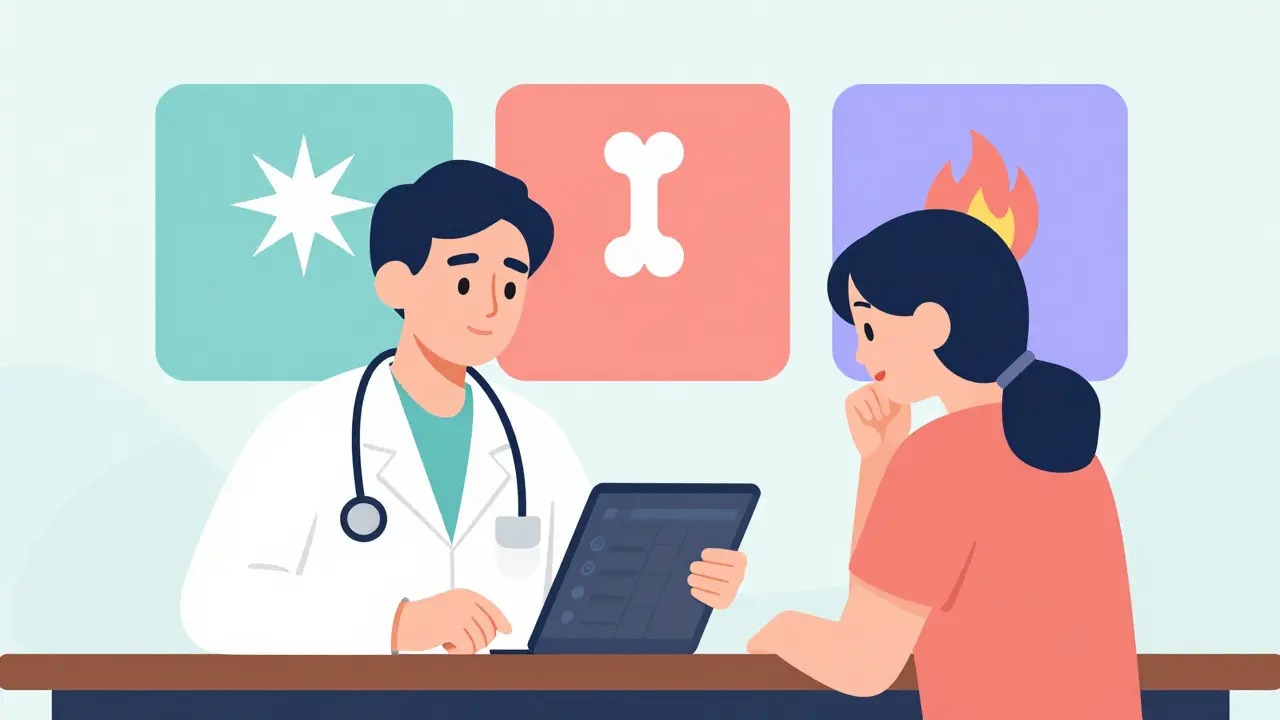
Help Beyond Pills: Adjuvant Medications and Radiation
Pain isn’t always solved with opioids alone. Some types need special tools.- Neuropathic pain (burning, tingling, electric shocks) responds to gabapentin (100-1,200 mg three times a day) or duloxetine (30-60 mg daily). These aren’t painkillers-they fix how nerves send signals.
- Bone pain from metastases improves with bisphosphonates like zoledronic acid (given IV every 3-4 weeks) and targeted radiation. A single 8 Gy radiation dose can cut bone pain in half within days.
- Inflammation and swelling from tumors pressing on organs? Dexamethasone (4-16 mg daily) helps reduce pressure and pain fast.
Quality of Life: More Than Just Pain
Palliative care isn’t just about drugs. It’s about keeping you connected to your life. A 2022 update from the American Society of Clinical Oncology looked at 17 studies. The result? When patients met with a palliative care team within eight weeks of diagnosis, their quality of life scores jumped by 20-30%. They were less depressed. They slept better. They spent more time with loved ones. And surprisingly-they lived longer. On average, 2.5 months longer. Why? Because early palliative care means pain is caught early. Anxiety is addressed. Families are supported. Decisions are made with clarity, not panic. It’s not about giving up. It’s about living fully, even when time is short.
Barriers No One Talks About
Even with great guidelines, care falls through the cracks. One big problem? Doctors and nurses don’t always know the latest protocols. A 2017 study found 40% of oncology nurses hadn’t been trained in current pain management in the past year. That means patients get outdated advice-or none at all. Then there’s fear. Patients worry opioids will make them addicted. But addiction is rare in cancer patients who take opioids for pain. What’s more common? Fear of being seen as a “complainer.” In some cultures, silence is seen as strength. Studies show 28% of Asian and Hispanic patients underreport pain because they don’t want to burden anyone. Insurance is another wall. Physical therapy, counseling, acupuncture, massage-these help. But many plans won’t cover them unless they’re tied to a specific diagnosis. Palliative care teams fight for these services, but they shouldn’t have to.What You Can Do Right Now
You don’t need to wait for a doctor to bring this up. Here’s what you can do today:- Track your pain. Use a notebook or a phone app. Note the time, intensity (0-10), what made it better or worse, and how it affected your day.
- Ask: “Is my pain being treated as seriously as my cancer?”
- Request a palliative care consult. You don’t need to be dying to get one. You just need to be in pain or struggling to cope.
- Bring someone with you to appointments. A second set of ears helps when you’re overwhelmed.
- Speak up about side effects. Nausea? Constipation? Confusion? These are treatable. Don’t suffer in silence.
What’s Next in Cancer Pain Care
The field is changing fast. Genetic testing can now tell if your body breaks down opioids slowly or quickly. That means doctors can pick the right drug from the start, avoiding trial and error. Apps that let you text your pain score daily are improving documentation accuracy by 22%. AI tools are being tested to predict when pain will spike-so treatment can be adjusted before you even feel it. New drugs are in trials targeting cancer-specific pain mechanisms, like nerve compression and bone destruction. These could mean fewer opioids and fewer side effects in the future. But the biggest breakthrough isn’t a drug or a machine. It’s the idea that pain control isn’t optional. It’s a right. Every person with cancer deserves to live without unbearable pain. And with the right care, 80-90% of that pain can be controlled.Is palliative care only for people who are dying?
No. Palliative care is for anyone living with a serious illness like cancer, at any stage. It’s not about giving up-it’s about living better. Studies show that people who start palliative care early, even right after diagnosis, have less pain, better moods, and even live longer than those who wait.
Will opioids make me addicted if I take them for cancer pain?
Addiction is very rare in cancer patients using opioids for pain. What you’re taking is medication for a medical condition, not for a high. The goal is to control pain so you can eat, sleep, and be with your family. Fear of addiction often stops people from getting the relief they need. If you’re worried, talk to your care team-they can explain the difference between dependence and addiction.
What if my pain doesn’t improve with medication?
Pain that doesn’t respond to standard drugs needs a different approach. This could mean switching opioids, adding nerve-targeting medications like gabapentin, or using radiation for bone pain. In some cases, nerve blocks or spinal cord stimulators help. A palliative care specialist can review your case and suggest options you may not have heard of.
Can non-drug treatments really help with cancer pain?
Yes. Massage, acupuncture, meditation, and gentle movement like tai chi have been shown to reduce pain and anxiety. Radiation therapy can relieve bone pain in days. Even something as simple as a warm compress or changing your position can make a difference. These aren’t alternatives to medicine-they’re part of a full plan.
How do I ask for palliative care without sounding like I’m giving up?
Say this: “I want to make sure my pain and symptoms are under control so I can stay as active and present as possible.” That’s not giving up-it’s taking charge. Palliative care teams work alongside your oncologist. They’re there to support your treatment, not replace it. You don’t need permission to ask. Just say it.


Sue Stone
January 21, 2026 AT 15:45Just had my dad start palliative care last month. He’s been sleeping through the night for the first time in months. No magic pill-just someone finally listening.
Oladeji Omobolaji
January 23, 2026 AT 04:09In Nigeria, we don’t talk about pain much. You just endure. But this? This is the first time I’ve seen someone explain it like it matters. Thank you.
Stacy Thomes
January 24, 2026 AT 13:26PLEASE STOP ACTING LIKE OPIOIDS ARE SCARY. My aunt took morphine for 18 months. She held her granddaughter’s wedding. She laughed. She ate ice cream. That’s not addiction-that’s dignity. If you’re scared of pain meds, you’re scared of living.
dana torgersen
January 25, 2026 AT 03:21you know... pain... it's not just a number... it's a silence... a weight... a breath held too long... and we keep asking people to rate it on a scale... like it's a survey... like it's a rating... but it's not... it's a scream... that no one hears... until it's too late...
Janet King
January 27, 2026 AT 00:03Every patient should be screened for pain at diagnosis. This is non-negotiable. The NCCN guidelines are clear, and failure to implement them is a systemic failure, not a clinical one. Documentation and follow-up must be standardized.
Kerry Moore
January 28, 2026 AT 05:48As a clinician who has worked in oncology for over two decades, I can attest that early palliative care integration is the single most effective intervention we have to improve both survival and quality of life. The data is overwhelming, yet institutional inertia persists. We must move beyond seeing palliative care as end-of-life and recognize it as care-of-life.
Andrew Smirnykh
January 29, 2026 AT 12:45In my culture, silence is respect. But this post made me realize: asking for help isn’t weakness. It’s the bravest thing you can do. I’m going to tell my mother to ask for that consult.
Dawson Taylor
January 30, 2026 AT 08:04Adjuvant therapies are underutilized. Gabapentin for neuropathic pain, dexamethasone for edema, radiation for bone mets-these are not alternatives. They are core components of care. Opioids alone are insufficient.
Susannah Green
January 31, 2026 AT 06:25My sister’s oncologist didn’t even mention palliative care until she was in the ER. That’s not care-that’s crisis management. If you’re not offering this at diagnosis, you’re failing your patient.
Laura Rice
February 1, 2026 AT 19:53you ever try to explain to your mom that morphine isn’t giving up? she thinks it’s the same as letting go... i cried in the parking lot after the doc said it. she finally got it when i said ‘it’s not about dying, it’s about hugging without wincing’
Vanessa Barber
February 3, 2026 AT 06:54Yeah right, 80-90% pain control. I’ve seen patients on 500mg of morphine a day still crying. This is corporate wellness fluff. Real pain doesn’t fit in a bullet point.
Kerry Evans
February 4, 2026 AT 08:15People who say opioids aren’t addictive for cancer patients are dangerously naive. I’ve seen families ruined by dependence. You think you’re helping, but you’re just enabling. There’s a line, and we’re crossing it.
Sallie Jane Barnes
February 5, 2026 AT 23:46I work with hospice families. The ones who asked for palliative care early? They had closure. They had quiet dinners. They had goodbye hugs without tears of pain. That’s not a statistic. That’s legacy.
charley lopez
February 7, 2026 AT 15:01The equianalgesic conversion protocols for opioid rotation remain inconsistently applied in clinical practice. Suboptimal dosing leads to iatrogenic hyperalgesia and increased adverse event profiles. Standardization via institutional protocols is imperative.
Anna Pryde-Smith
February 9, 2026 AT 11:05MY MOM DIED BECAUSE NO ONE LISTENED. They said ‘it’s just pain’ like it was a headache. She begged for help. They gave her Tylenol for three weeks. She couldn’t sit up. She couldn’t hold my hand. And now? I’m screaming this from the rooftops: ASK THE QUESTION. TRACK THE NUMBER. GIVE THE DRUG. DON’T WAIT UNTIL IT’S TOO LATE.