Opioid Safety & Tolerance Checker
Calculate Your Morphine Milligram Equivalents (MME)
The CDC recommends reassessing treatment plans when daily doses exceed 50 MME. Higher doses significantly increase overdose risk.
Lost Tolerance Risk Assessment
Tolerance decreases rapidly after stopping opioids. Returning to previous doses can be fatal.
Tolerance vs. Dependence Quick Reference
| Concept | Key Indicator | Reversibility |
|---|---|---|
| Opioid Tolerance | Current dose no longer manages pain effectively | Can reverse after abstinence |
| Physical Dependence | Withdrawal symptoms when stopping abruptly | Requires gradual tapering |
| Opioid Use Disorder | Loss of control, cravings, neglecting responsibilities | Long-term behavioral/medical treatment |
Imagine taking a painkiller that worked perfectly last week, only to find it does almost nothing today. You might feel tempted to take more. That urge is not just stubbornness; it is your body changing at a cellular level. This phenomenon is called opioid tolerance, which is a physiological state where the body adapts to opioids, requiring higher doses to achieve the same effect. It is one of the most dangerous aspects of long-term pain management because it creates a slippery slope toward overdose.
Understanding why this happens is not just academic-it can save lives. When you know how your nervous system reacts to these powerful drugs, you can work with your doctor to manage pain safely without chasing a fading high or relief. Let’s look at what is happening inside your brain and body, and how to break the cycle before it becomes life-threatening.
What Is Happening Inside Your Brain?
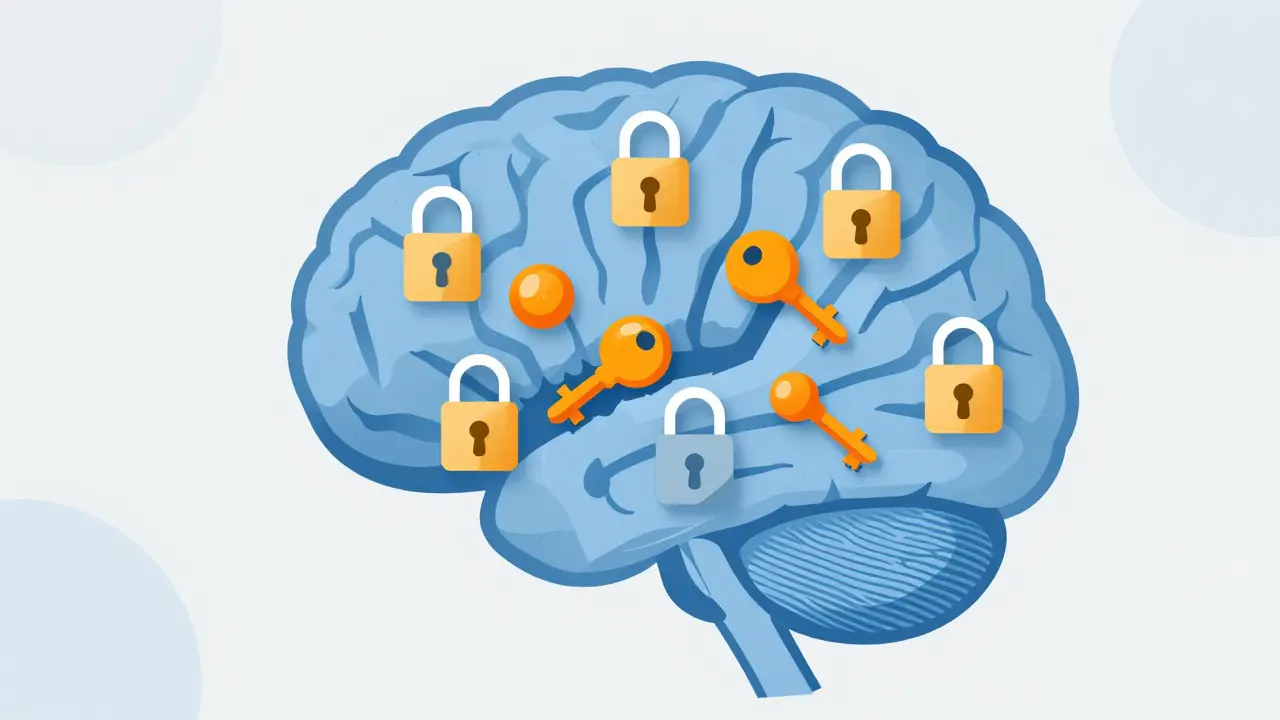
To understand tolerance, we have to look at the machinery of pain relief. Opioids work by binding to specific proteins in your brain and spinal cord called mu-opioid receptors (MORs). Think of these receptors like locks, and the opioid molecules as keys. When the key turns the lock, it blocks pain signals and releases dopamine, creating feelings of calm or euphoria.
But your body hates being hijacked. It wants balance, known scientifically as homeostasis. When you flood those locks with keys repeatedly, your brain panics. It starts to remove some locks from the surface of the cells or makes the remaining locks harder to turn. This process is called receptor desensitization and downregulation. As a result, the same amount of drug now opens fewer locks. The signal gets weaker. To get the same pain relief, you need more keys-more medication.
This adaptation isn't uniform. You might develop tolerance to the sedative effects of an opioid quickly, but your tolerance to respiratory depression (slowed breathing) might lag behind. This mismatch is deadly. You might feel fine taking a higher dose because you are used to the drowsiness, but your breathing could slow to dangerous levels because your body hasn't adapted to that specific risk yet.
Tolerance vs. Dependence: Know the Difference
People often use "tolerance" and "dependence" interchangeably, but they are distinct medical concepts. Confusing them can lead to shame or poor treatment decisions.
| Concept | Definition | Key Indicator | Reversibility |
|---|---|---|---|
| Opioid Tolerance | Need for higher doses to achieve the original effect. | Current dose no longer manages pain effectively. | Can reverse after a period of abstinence. |
| Physical Dependence | Body adjusts its normal functioning around the drug's presence. | Withdrawal symptoms (nausea, anxiety, sweating) when stopping abruptly. | Requires gradual tapering to resolve. |
| Opioid Use Disorder (OUD) | A chronic disease characterized by compulsive use despite harm. | Loss of control over use, neglecting responsibilities, cravings. | Managed through long-term behavioral and medical treatment. |
You can have tolerance and dependence without having an addiction. Many cancer patients on high-dose morphine are tolerant and dependent but do not have OUD because they are using the medication strictly for therapeutic benefit under medical supervision. However, tolerance is a gateway risk factor. If you start chasing the initial euphoria rather than just pain relief, tolerance drives you to take more, increasing the likelihood of developing OUD.
The Dangerous Cycle of Dose Escalation
Why do doses increase? Usually, it starts with good intentions. A patient takes their prescribed dose, feels better, and continues. Weeks later, the pain returns earlier. They take another pill. Then they realize the standard dose isn't cutting it. Without discussing it with their doctor, they increase the frequency or amount.
This escalation is fueled by the neurobiological changes mentioned earlier. Research indicates that inflammatory factors in the brain, such as TLR4 and NLRP3 inflammasomes, play a significant role in speeding up this tolerance. Essentially, chronic pain itself can make you more tolerant to opioids, creating a vicious loop where pain leads to more drugs, which leads to more tolerance, which leads to less relief.
The Centers for Disease Control and Prevention (CDC) notes that about 30% of patients prescribed long-term opioids require a dose increase within the first year. For many, this escalation stops at a manageable level. For others, it spirals. The danger lies in the fact that while your tolerance to pain relief increases, your tolerance to the lethal effects of the drug may not keep pace. You become a ticking time bomb for respiratory failure.
The Risk of Lost Tolerance
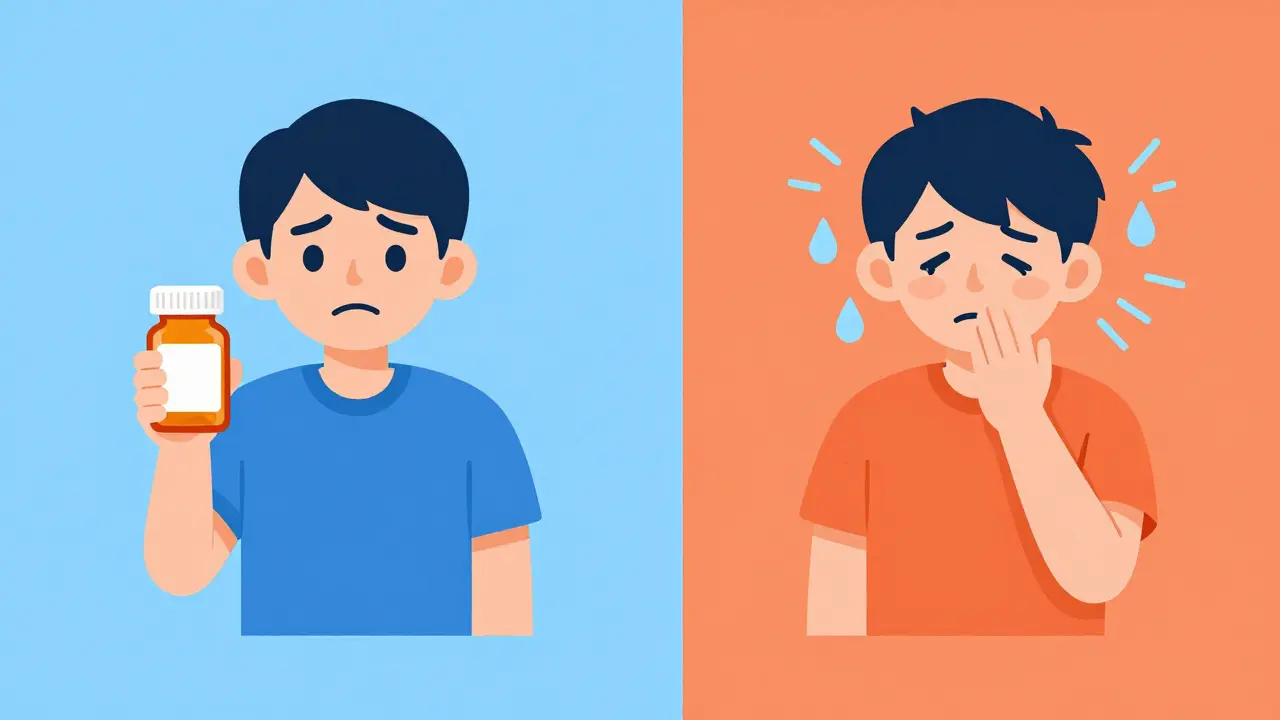
One of the most misunderstood aspects of opioid tolerance is that it is not permanent. If you stop taking opioids-even for a short time-your body begins to re-sensitize those receptors. You lose your tolerance.
This is critically important for people in recovery, those released from incarceration, or patients who pause their medication due to supply issues. Studies show that a significant percentage of fatal overdoses occur shortly after periods of abstinence. Why? Because the person remembers the dose they were taking before, say 100 milligrams of oxycodone, and assumes they can handle it again. But their body has reset. That previous safe dose is now potentially lethal.
If you have been off opioids for more than a few days, your tolerance drops significantly. Returning to your previous dose is like jumping into deep water after forgetting how to swim. Medical guidelines strongly advise starting at a fraction of the previous dose if resuming use after a break, ideally under medical supervision.
Strategies to Manage Tolerance Safely
You don't have to accept tolerance as an inevitable defeat. There are clinical strategies to manage it and maintain quality of life without endlessly escalating doses.
- Opioid Rotation: Sometimes, switching from one opioid to another (e.g., from morphine to hydromorphone) can provide better pain relief with fewer side effects. This is because cross-tolerance is not complete between different opioids. Your body may respond differently to a new chemical structure, resetting the effectiveness.
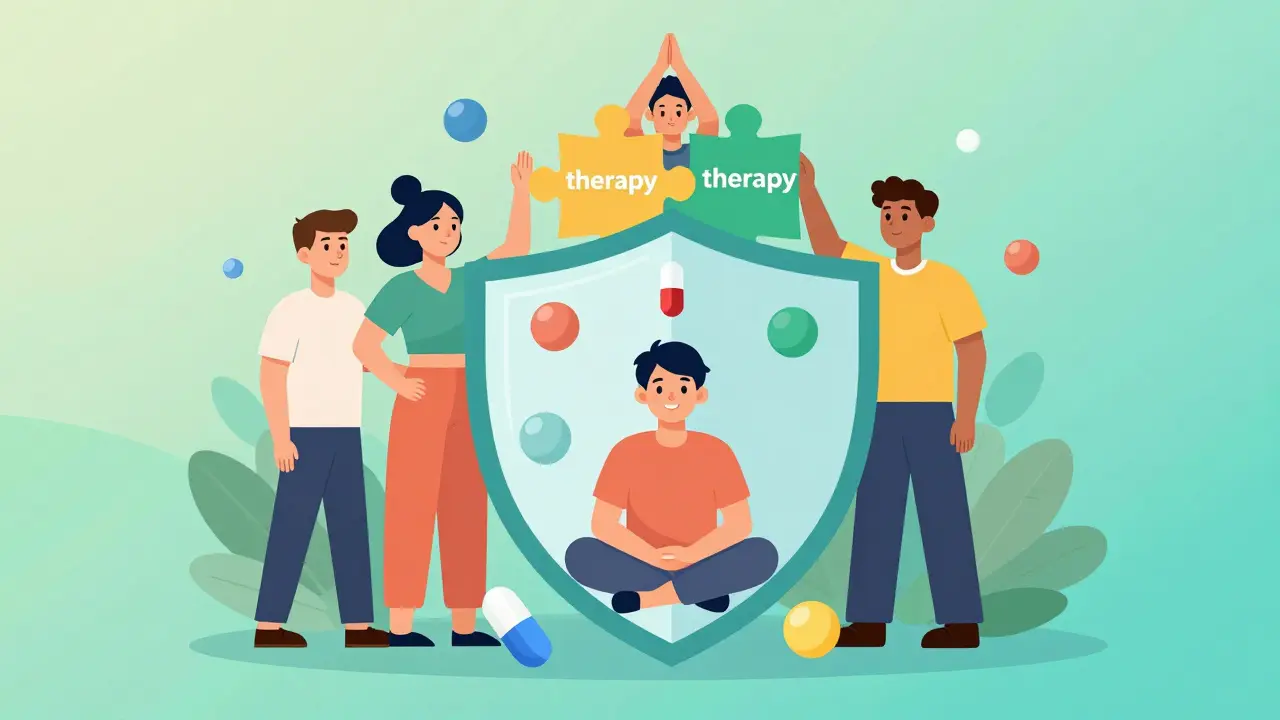
- Multimodal Pain Management: Relying solely on opioids is inefficient. Combining them with non-opioid medications like NSAIDs (ibuprofen), acetaminophen, or certain antidepressants and anticonvulsants can target pain through different pathways. This allows you to use a lower dose of opioids while achieving the same overall relief.
- Non-Pharmacological Therapies: Physical therapy, cognitive behavioral therapy (CBT), acupuncture, and mindfulness-based stress reduction can reduce the perception of pain. By lowering the pain signal at the source, you reduce the demand on your opioid receptors.
- Regular Re-evaluation: Before increasing your dose above 50 morphine milligram equivalents (MME) per day, clinicians should reassess the treatment plan. Ask yourself: Is the increased dose actually improving my function, or am I just trying to get back to baseline?
The Fentanyl Factor
In recent years, the landscape of opioid tolerance has become even more treacherous due to the prevalence of illicit fentanyl. Fentanyl is 50 to 100 times more potent than morphine. People who have developed tolerance to prescription opioids often underestimate the potency of street drugs.
Because illicit batches vary wildly in concentration, a user with high tolerance might survive one hit of fentanyl-adulterated heroin but die from the next. Their tolerance protects them against morphine, but it offers little defense against the sheer power of synthetic opioids if the dose is miscalculated by even a fraction of a milligram. This is why carrying naloxone (Narcan) is essential for anyone with a history of opioid use, regardless of their current tolerance level.
When to Talk to Your Doctor
If you notice your medication isn't working as well as it used to, do not adjust the dose on your own. Contact your healthcare provider. Be honest about your usage patterns. They can help determine if you are experiencing true pharmacological tolerance or if other factors, such as disease progression or psychological distress, are amplifying your pain.
Remember, tolerance is a biological response, not a moral failing. By understanding the mechanics of how your body adapts to opioids, you take back control. You can advocate for safer, smarter pain management strategies that protect your health and prevent the devastating consequences of overdose.
How long does it take to develop opioid tolerance?
The timeline varies greatly depending on the individual, the specific opioid, and the dosage. Some people may begin to notice diminished effects within weeks of regular use, while others may maintain stable efficacy for months. Genetic factors and metabolic rates play a significant role in how quickly tolerance develops.
Can opioid tolerance be reversed?
Yes, tolerance can be partially or fully reversed by abstaining from opioids. During periods of abstinence, the brain's receptors resensitize. However, this also means that returning to previous doses after a break is extremely dangerous and can lead to fatal overdose. Tolerance loss is a major risk factor for overdose deaths among those in recovery.
Is tolerance the same as addiction?
No, tolerance is not the same as addiction (Opioid Use Disorder). Tolerance is a physiological adaptation where higher doses are needed for the same effect. Addiction involves compulsive drug-seeking behavior despite harmful consequences. While tolerance can contribute to the development of addiction by driving dose escalation, many patients with tolerance do not have an addiction.
What is opioid rotation?
Opioid rotation is a clinical strategy where a patient switches from one opioid medication to another. Because cross-tolerance between different opioids is incomplete, a new opioid may provide better pain relief and fewer side effects at an equianalgesic dose. This technique helps manage tolerance and improves quality of life.
Why is fentanyl so dangerous for people with opioid tolerance?
Fentanyl is significantly more potent than prescription opioids like morphine or oxycodone. People with established tolerance may underestimate its strength. Since illicit fentanyl batches vary widely in purity, a dose that was previously survivable can suddenly be lethal. Tolerance to weaker opioids does not adequately protect against the respiratory depressant effects of high-potency fentanyl.