
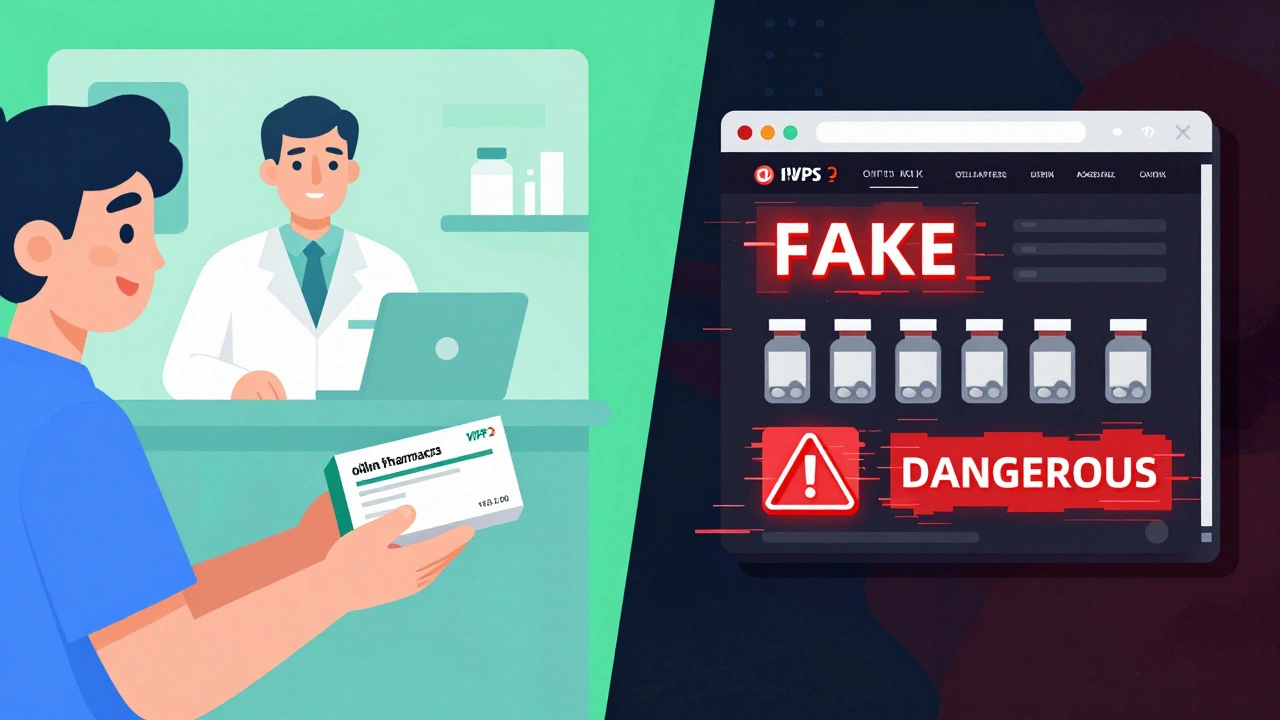
Buying medications online sounds simple: click, pay, wait, get your pills. But behind that ease is a minefield. In 2025, over 35,000 websites claim to sell prescription drugs. Only about 7,000 of them are verified as safe. That means one in five online pharmacies you might stumble on could be selling fake, expired, or dangerous drugs. And the worst part? Many of them look real.
Why People Turn to Online Pharmacies
Most people don’t buy meds online because they want to take risks. They do it because it’s cheaper and easier. Generic drugs-same active ingredients as brand names, but without the marketing-can cost 30% to 80% less online. For someone managing diabetes, high blood pressure, or depression, that savings can mean the difference between taking their medicine or skipping doses. A 2024 JAMA survey found 87% of users chose online pharmacies for time savings. Rural residents, seniors, and people with chronic conditions are the biggest users. If your nearest pharmacy is 40 miles away, or you can’t get off work to pick up a refill, online delivery feels like a lifeline. But here’s the catch: the cheaper the deal, the riskier it usually is. Sites promising 90% off are almost always scams. Legitimate online pharmacies offer generics at 40-60% off retail prices. Anything beyond that? Red flag.The Difference Between Safe and Dangerous Pharmacies
There’s a massive gap between what you get from a verified pharmacy and an illegal one. Verified pharmacies-those with the VIPPS seal from the National Association of Boards of Pharmacy-follow strict rules. They require a valid prescription. They have U.S.-licensed pharmacists on staff. They’re licensed in every state they ship to. They provide a real physical address you can look up. And they store and ship meds properly, keeping temperature-sensitive drugs cool. The FDA tests these sites. Their medications are 99.7% authentic. That’s nearly perfect. Now look at the other side. Unverified sites? In 2024, 97% of the drugs tested from these sites were fake, expired, or contaminated. Some had no active ingredient at all. Others had too much-up to 200% more than labeled. One patient in Ohio got pills meant for diabetes that were actually a different drug. He went into a coma. He survived. Others haven’t. The FDA found that 92% of illegal sites sell unapproved drugs. 87% don’t require prescriptions. 79% don’t even list safety warnings. These aren’t mistakes. They’re business models.How to Check If an Online Pharmacy Is Legit
You don’t need a pharmacy degree to spot a safe site. Just check four things before you buy.- Do they require a prescription? Legitimate pharmacies never sell prescription drugs without one. If you can buy Adderall or Xanax with a few clicks and no doctor’s note, walk away.
- Do they have a U.S. physical address? Click on their contact page. Type the address into Google Maps. If it’s a PO box, a warehouse with no sign, or nothing comes up-it’s fake. Legit pharmacies list their real location. You can call them.
- Is there a licensed pharmacist you can talk to? Look for a phone number or live chat option. If you can’t speak to a pharmacist about your meds, that’s a red flag. They should answer questions about side effects, interactions, and storage.
- Is it VIPPS-accredited? Go to nabp.pharmacy and search the pharmacy’s name. If it’s not listed, it’s not verified. Don’t trust logos on the website. Scammers copy them. Only trust the NABP database.

What the Law Says in 2025
The Ryan Haight Act of 2008 made it illegal to prescribe controlled substances online without a real doctor-patient relationship. But loopholes opened during the pandemic. Now, in 2025, the DEA has tightened the rules again. As of January 16, 2025, every telemedicine platform that connects patients to online pharmacies must register with the DEA. They now have three levels of registration, depending on what drugs they prescribe. This means doctors can’t just click “approve” without seeing you first. States are stepping up too. Massachusetts now requires out-of-state pharmacies to get a state license before shipping to its residents. Missouri’s new rules force pharmacies to tell you exactly how they protect meds during shipping-especially if they’re sensitive to heat. If your insulin or epinephrine gets too hot in transit, it stops working. And you won’t know until it’s too late. These aren’t just paperwork. They’re life-saving rules.Real Stories, Real Risks
People don’t always realize they’ve been scammed until it’s too late. On Reddit, a user named MedSavvy2023 bought sertraline from a site offering 85% off. When the pills arrived, they didn’t work. He sent them to a lab. They contained only 18% of the labeled active ingredient. His depression got worse. He had to go back to his doctor, who had to prescribe again-and pay full price. Another case: MediSaveOnline.com. Over 100 customers paid for medication. They got empty pill bottles. No refund. No reply. The site vanished. And then there’s QuickPharmaRX. Customers received mislabeled diabetes pills. Some got pills meant for high blood pressure. Others got pills with no active ingredient. The result? Dangerous drops in blood sugar. Emergency room visits. One woman lost consciousness while driving. These aren’t rare. The FDA logged 1,842 adverse events linked to illegal online pharmacies in 2024-a 27% jump from the year before.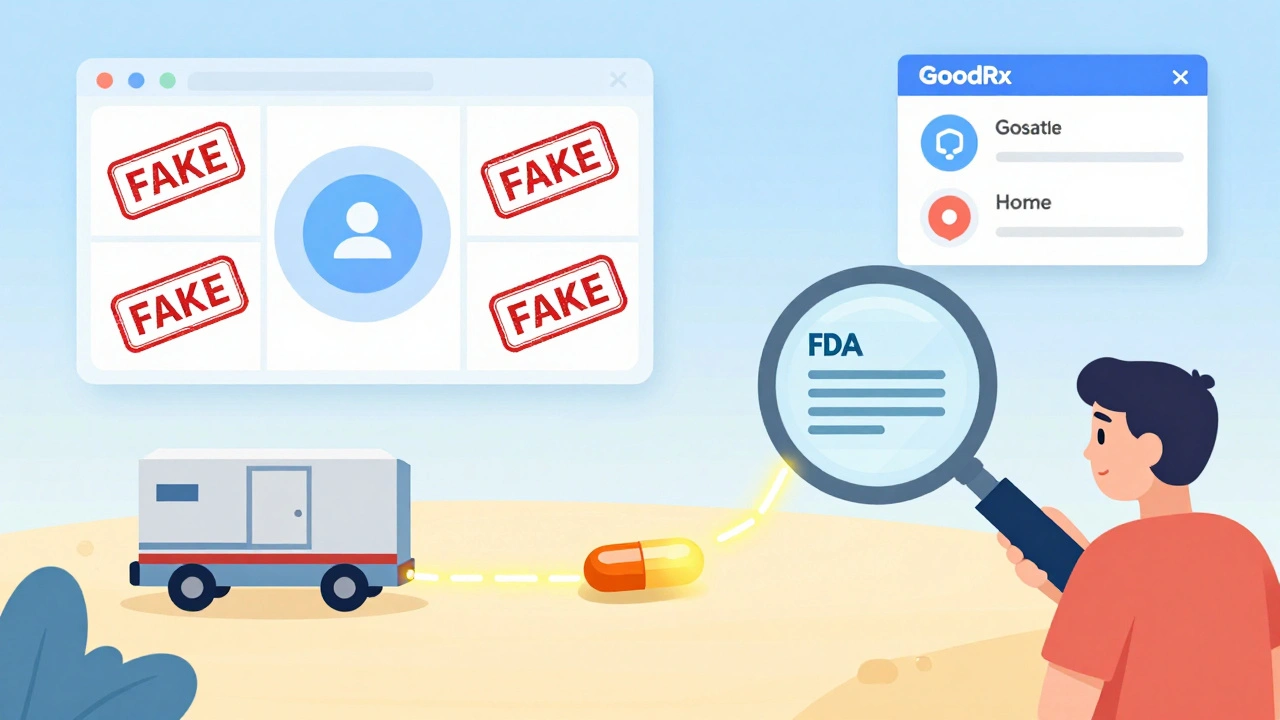
How to Save Money Safely
You don’t have to risk your health to save money. Use tools like GoodRx. It shows you prices from verified pharmacies near you-and lets you compare. Over 48 million Americans use it every month. It filters out illegal sites automatically. Check your insurance. Many plans now cover mail-order prescriptions through their own pharmacy partners-CVS Caremark, Optum Rx, Express Scripts. These are legitimate, licensed, and often cheaper than your local pharmacy. Even if you’re uninsured, a VIPPS-accredited online pharmacy like HealthWarehouse.com offers generics at fair discounts-40-60% off-and has a 4.6-star rating on Trustpilot with over 12,000 reviews. People write: “I’ve been getting my meds here for 8 years. Never had an issue.”What to Do If You’ve Been Scammed
If you bought from a suspicious site:- Stop using the meds. Don’t risk side effects or overdose.
- Call your doctor. Tell them what you took and where you got it.
- Report it to the FDA. Their online reporting system processed nearly 15,000 tips in Q1 2025. Every report helps shut down a fake site.
- Check your bank statement. If you paid by credit card, dispute the charge. Many sites disappear after collecting payment.
The Future of Online Pharmacies
Legitimate online pharmacies are growing. By 2030, they could make up 45% of the U.S. market. More people will use them-especially as telehealth becomes normal. New tech is helping. Blockchain tracking is coming. By 2027, most verified pharmacies will use it to track every pill from manufacturer to your door. The FDA is also testing AI that scans websites for fake claims. They plan to issue 40% more warning letters in 2025 than last year. But the problem won’t vanish. As long as people are desperate for cheap meds, scammers will find ways to exploit them. The key is awareness. Don’t let convenience blind you. A $10 savings isn’t worth your life.Are all online pharmacies illegal?
No. About 20% of online pharmacies are verified and legal. Look for the VIPPS seal from the National Association of Boards of Pharmacy (NABP). These pharmacies require prescriptions, have licensed pharmacists, and ship from U.S.-licensed locations. Sites like CVS Caremark, Optum Rx, and HealthWarehouse.com are examples of legitimate operators.
Can I trust pharmacies based in other countries?
Generally, no. Even if they claim to be “licensed,” U.S. regulators can’t verify their practices. The FDA has found that 97% of drugs from non-U.S. online pharmacies are counterfeit or substandard. The only exception is if the pharmacy is VIPPS-accredited-which means it meets U.S. standards regardless of location. But even then, shipping times and temperature control are risks.
Why are generics from illegal sites dangerous?
Illegal sites often sell generics that contain no active ingredient, too much active ingredient, or toxic fillers. One study found some pills had 20-200% more of the labeled drug, leading to overdoses. Others had no medicine at all-just sugar or chalk. For drugs like insulin, blood pressure meds, or antidepressants, even small dosage errors can be deadly.
Do I need a prescription to buy from a legitimate online pharmacy?
Yes. All legitimate online pharmacies require a valid prescription from a licensed provider. If a site lets you buy controlled substances like Xanax, Adderall, or opioids without a prescription, it’s illegal and dangerous. The Ryan Haight Act makes this a federal crime.
How can I report a fake online pharmacy?
Report it to the FDA’s MedWatch program at fda.gov/medwatch. You can also file a complaint with the FTC at reportfraud.ftc.gov. Include the website URL, screenshots of the site, payment details, and any packaging you received. These reports help shut down illegal operations.
Are online pharmacies cheaper than local ones?
Legitimate ones often are-by 40-60% for generics. But illegal sites promise 70-90% off and deliver nothing or dangerous products. Use GoodRx to compare prices from verified U.S. pharmacies. You’ll often find better deals than you expect, without the risk.
Jennifer Patrician
December 5, 2025 AT 06:22Oh please, VIPPS seal? That's just another government-approved scam. The FDA and NABP are in bed with Big Pharma. They want you to pay full price for generics so the CEOs can buy another private island. I bought my insulin from a site in Canada for 1/5th the cost. My blood sugar's stable. No one's come knocking. Who's really lying here? The regulators or the pharmacies that charge $500 for a vial of stuff made in a lab for $3?
Mellissa Landrum
December 5, 2025 AT 19:30lol u think u r safe? they put microchips in the pills now. u think that’s why ur meds ‘work’? nah. they track u. the fda don’t care if u die, they care if u’re on their database. i got my xanax from a guy on discord. came in a kool-aid packet. worked better than the ‘legit’ ones. u think they want u healthy? they want u addicted to their overpriced crap. #bigpharmacontrol
Mark Curry
December 6, 2025 AT 22:47It’s easy to get scared by all the horror stories. But I think the real issue isn’t just fake sites-it’s that we’ve made healthcare so expensive that people have no choice but to gamble. I’ve been on statins for 12 years. I use GoodRx. Found a local pharmacy that sells my generic for $12. No drama. No risk. Just... basic human decency. Maybe the solution isn’t just avoiding scams, but fixing the system that makes them necessary.
Manish Shankar
December 8, 2025 AT 14:19Respected author, your article presents a comprehensive and well-researched analysis of the critical challenges surrounding online pharmaceutical procurement. The statistical data cited, particularly the 97% counterfeit rate from non-U.S. sources, is alarming and underscores the necessity of regulatory vigilance. I commend the emphasis on VIPPS accreditation and the practical checklist for consumers. In India, where access to affordable medications is a daily struggle, such clarity could save lives. May your work inspire similar initiatives globally.
luke newton
December 10, 2025 AT 04:23People are just too lazy to go to a real doctor. If you can't afford your meds, maybe you shouldn't be taking them. I work two jobs and I pay full price because I respect the law and the science. You think some sketchy website is your friend? It's a predator. And if you get sick because you trusted a 'deal,' don't come crying to the ER. You made your bed. Now lie in it.
Ali Bradshaw
December 11, 2025 AT 23:12Big respect for laying this out so clearly. I used to buy online back in 2020-got lucky, but it was a gamble. Now I use my insurance mail-order. Same price, no stress. The key isn’t avoiding all online pharmacies-it’s avoiding the ones that feel ‘too good.’ If it feels like a trap, it probably is. You’re not saving money if you’re saving your life.
an mo
December 12, 2025 AT 23:03Let’s deconstruct this. The VIPPS seal is a regulatory capture artifact. It’s a pseudo-accreditation created by an industry-aligned body to maintain monopolistic control over distribution channels. The 20% legitimacy statistic is a manufactured illusion-what’s the baseline? How many unregistered pharmacies are even being audited? The FDA’s 1,842 adverse events? That’s the tip of the iceberg. We’re not talking about ‘scams’-we’re talking about systemic pharmacovigilance failure. The real villain isn’t the shady site-it’s the deregulation of supply chains since 2018. You want safety? Nationalize distribution. Or stop pretending this is a consumer choice problem.
aditya dixit
December 14, 2025 AT 13:57Thank you for this. I’ve seen too many friends in rural India buy meds from sites promising ‘American quality’-only to get powder in capsules. The truth is, people aren’t foolish. They’re desperate. The solution isn’t just to warn them-it’s to make safe options accessible, affordable, and easy to find. Tools like GoodRx and verified mail-order pharmacies should be promoted like public health campaigns. Not just for Americans-for everyone who can’t walk to a pharmacy. Safety isn’t a luxury. It’s a right.