
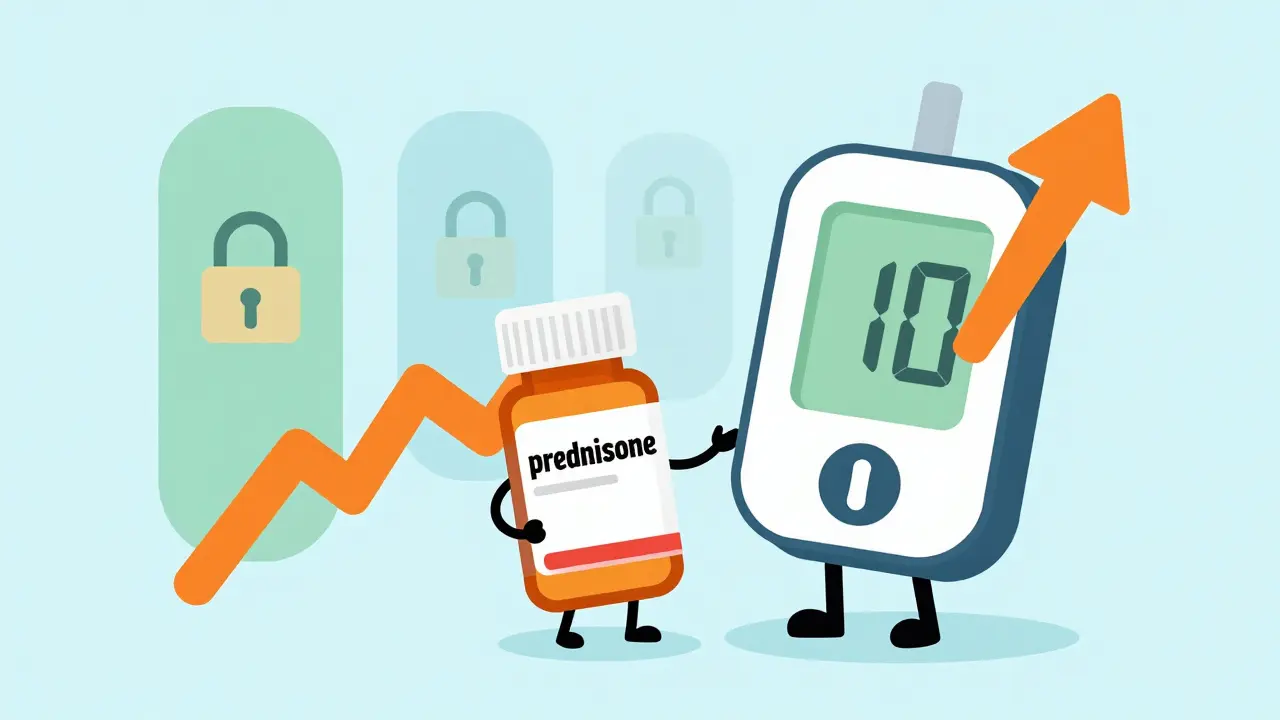
Steroid-Induced Hyperglycemia Management Tool
*Visualizing the delayed spike effect of steroids.
Note regarding specific steroid...
Recommended Strategy:
- Timing: Morning dose matches morning steroid
- Type: NPH or Basal-Bolus
- Taper Warning: Reduce insulin by ~50% as soon as steroid dose drops.
Enter patient details to generate a management plan.
Starting a course of prednisone or another steroid for an autoimmune flare-up can feel like a relief. But if you have diabetes, that same medication often brings a frustrating side effect: skyrocketing blood sugar levels. This condition, known as steroid-induced hyperglycemia (SIHG), affects up to half of patients taking moderate-to-high doses of glucocorticoids. The good news? It is predictable and manageable. The bad news? If you don’t adjust your diabetes medications correctly, you risk dangerous highs during the treatment and severe lows when you taper off.
You are not alone in this struggle. A 2021 systematic review published in the *Journal of Clinical Endocrinology & Metabolism* found that SIHG occurs in 20-50% of patients receiving these therapies. Understanding how steroids mess with your metabolism is the first step to staying safe. Let’s break down exactly what happens to your body and how to tweak your meds without guesswork.
Why Steroids Spike Your Blood Sugar
Steroids like prednisone, dexamethasone, and methylprednisolone do three main things that raise glucose:
- They cause insulin resistance: Your cells stop responding well to insulin, so sugar stays in your blood instead of entering your muscles.
- They boost liver sugar production: Your liver starts dumping more glucose into your bloodstream through a process called gluconeogenesis.
- They impair beta-cell function: Your pancreas struggles to release enough insulin to keep up with the demand.
The timing matters just as much as the dose. According to Dr. Guillermo Umpierrez, lead author of the American Diabetes Association’s 2022 Position Statement, the hyperglycemic effect typically begins 4-8 hours after you take the steroid, peaks around 24 hours later, and lingers for 3-4 days after you stop. This delay is why checking your blood sugar immediately after taking the pill often shows normal numbers-only to spike later in the day.
Choosing the Right Insulin Strategy
If you already use insulin, you will likely need to increase your dose. If you don’t, you may need to start it temporarily. The key is matching the insulin type to the steroid’s duration.
| Steroid Type | Half-Life / Duration | Recommended Insulin Match | Dosing Timing |
|---|---|---|---|
| Prednisone | 18-36 hours | NPH insulin or basal-bolus regimen | Morning dose matches morning steroid |
| Dexamethasone | 36-72 hours | Long-acting analogues (e.g., insulin glargine, detemir) | Morning dose covers prolonged effect |
| Hydrocortisone | 8-12 hours | Rapid-acting insulin | Timed with each dose |
For most outpatient cases involving prednisone, the Joint British Diabetes Societies (JBDS) 2021 guideline recommends transferring your evening basal insulin to the morning. Why? Because prednisone’s peak effect aligns with daytime activity. You should also increase your short- or fast-acting insulin by 10-20% daily until your blood sugar stabilizes between 6-10 mmol/L (108-180 mg/dL).
If you are new to insulin, start with 0.1 IU per kilogram of body weight at the time of steroid administration. Add correction doses based on pre-meal readings: 0.04 IU/kg for glucose between 11.1-16.7 mmol/L (200-300 mg/dL), or 0.08 IU/kg for values above 16.7 mmol/L (300 mg/dL). Adjustments should be made 24 hours after intake to account for the delayed spike.
Non-Insulin Options for Mild Cases
Not everyone needs insulin. If your fasting glucose stays below 11.1 mmol/L (200 mg/dL), non-insulin agents might suffice. The Johns Hopkins Diabetes Guide (2023 update) lists metformin, thiazolidinediones, GLP-1 agonists, and DPP-4 inhibitors as effective options for outpatients with mild hyperglycemia.
However, avoid sulfonylureas like glipizide or glyburide during steroid therapy. A 2021 retrospective study at Johns Hopkins Hospital found that 27% of patients on sulfonylureas required emergency visits for hypoglycemia during steroid tapering, compared to just 8% on insulin-only regimens. These drugs keep pushing insulin even when your steroid dose drops, creating a dangerous mismatch.
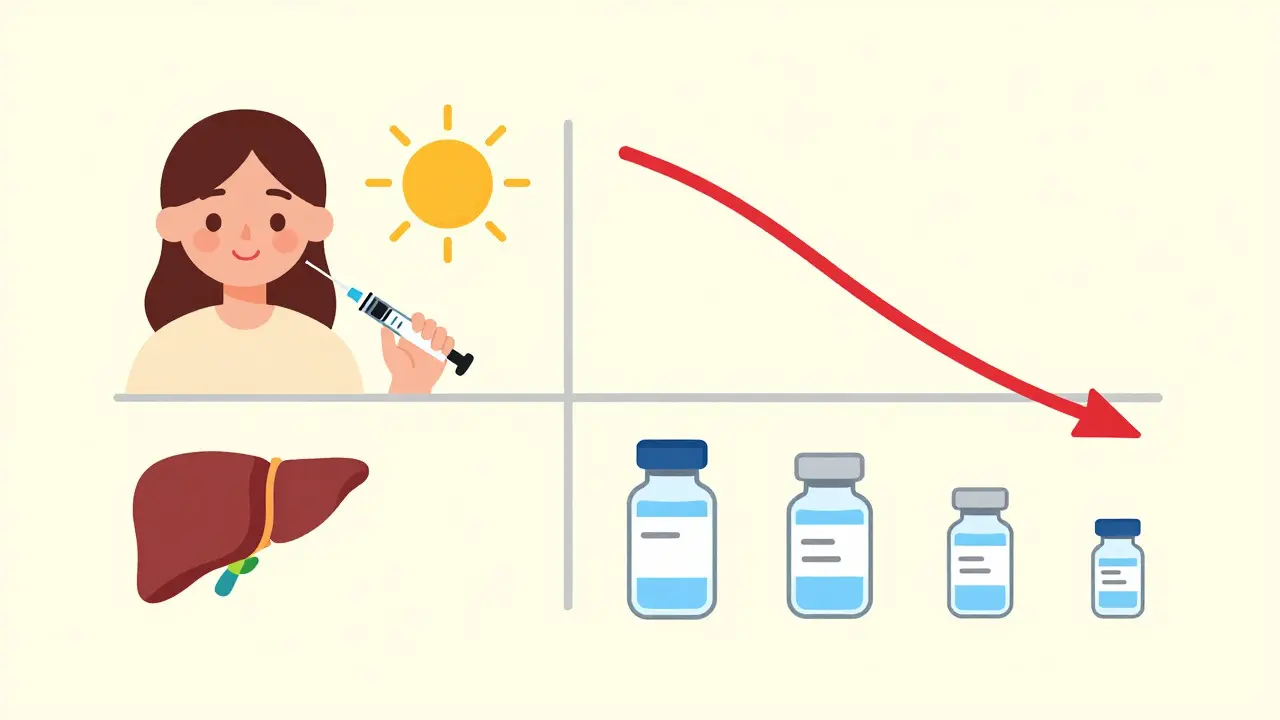
The Taper Trap: Avoiding Hypoglycemia
Here’s where most people get hurt. As your steroid dose decreases, your insulin needs drop sharply-but not always at the same speed. Dr. David Kendall of Diabetes UK warns that failing to reduce diabetes medications as steroids taper is the most common clinical error, leading to preventable hypoglycemia in 30-40% of cases.
A patient named ‘Type1Since99’ shared on Reddit: “On 40mg prednisone, I needed 50% more basal and 75% more bolus insulin. When tapering to 20mg, my endocrinologist didn’t reduce my insulin fast enough, and I had 3 hypos in 2 days.” This isn’t rare. A 2022 quality improvement study at Massachusetts General Hospital documented this exact mistake in 37% of cases.
To stay safe:
- Reduce insulin doses in tandem with steroid reductions.
- Check blood sugar every 2-4 hours during dose changes.
- Keep fast-acting carbs nearby at all times.
- If using an insulin pump, plan for temporary basal rate increases of 25-50% during peak steroid effect, then decrease gradually as you taper.
The Waterloo Wellington Diabetes Clinical Practice Guideline (February 2023) suggests starting with only half the additional insulin units you used in previous courses, then titrating slowly. For example, if you needed 20 extra units last time, start with 10 now and assess before adding more.
Monitoring Tools That Make a Difference
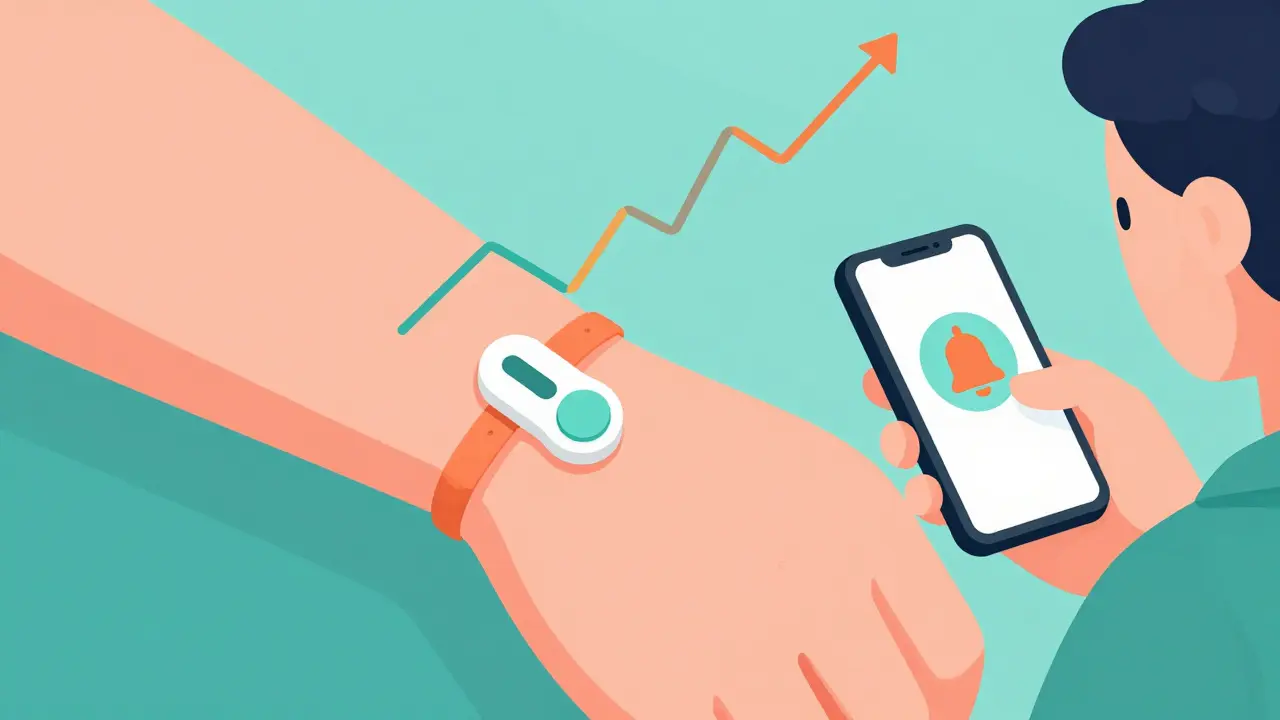
Guesswork is risky. Continuous glucose monitoring (CGM) is strongly recommended for anyone on high-dose steroids. The JBDS 2021 guideline advises minimum 48 hours of CGM use during therapy, aiming for >70% time in range (3.9-10.0 mmol/L) and <4% time below range (<3.9 mmol/L).
Real-time CGM lets you see trends before they become emergencies. Instead of reacting to a single high reading, you’ll notice the upward slope hours in advance. This is especially helpful for dexamethasone users, whose long half-life means blood sugar can rise steadily over two days.
If you don’t have a CGM, capillary blood glucose (CBG) monitoring at least four times daily-pre-meal and bedtime-is mandatory. More frequent checks (every 2-4 hours) are needed during dose adjustments or if you’re experiencing instability.
When to Call Your Doctor
Contact your healthcare provider immediately if:
- Your fasting glucose exceeds 11.1 mmol/L (200 mg/dL) for two consecutive days.
- You experience recurrent hypoglycemia despite dose reductions.
- You develop symptoms of diabetic ketoacidosis (DKA): nausea, vomiting, abdominal pain, fruity breath, or confusion.
- You’re unsure how to adjust your insulin during tapering.
Hospitals are improving their protocols too. A 2023 survey by the Society of Hospital Medicine found that 68% of US hospitals now use standardized SIHG protocols, up from 42% in 2019. Many incorporate automatic insulin dose adjustment algorithms based on steroid dose and timing. Ask your care team if they follow such a protocol-it can make a huge difference in safety and comfort.
Final Thoughts
Steroid-induced hyperglycemia is challenging, but it doesn’t have to derail your health. By understanding the pharmacokinetics of your steroid, matching your insulin strategy accordingly, and planning ahead for the taper phase, you can maintain control. Use technology like CGM, communicate openly with your doctor, and never hesitate to ask for help adjusting your meds. Your safety depends on proactive management-not reaction.
How quickly does prednisone raise blood sugar?
Blood sugar typically begins to rise 4-8 hours after taking prednisone, peaks around 24 hours, and remains elevated for 3-4 days after stopping. This delayed onset means you may feel fine initially but face spikes later in the day.
Can I take metformin while on steroids?
Yes, metformin can be effective for mild steroid-induced hyperglycemia, especially if your fasting glucose stays below 11.1 mmol/L (200 mg/dL). However, it may not be sufficient for higher doses or longer courses, in which case insulin is preferred.
Why do I get low blood sugar when tapering off steroids?
As steroid doses decrease, your insulin requirements drop rapidly. If you haven’t reduced your diabetes medications accordingly, you’re left with too much insulin relative to your needs, causing hypoglycemia. Always taper insulin alongside steroids.
Is continuous glucose monitoring (CGM) necessary during steroid therapy?
While not strictly mandatory, CGM is highly recommended. It provides real-time data on glucose trends, helping you anticipate spikes and avoid lows. Guidelines suggest at least 48 hours of monitoring during high-dose steroid therapy.
What’s the best insulin type for dexamethasone?
Long-acting insulin analogues like glargine or detemir are preferred for dexamethasone due to its long half-life (36-72 hours). These provide steady coverage throughout the extended period of elevated blood sugar.
Should I avoid sulfonylureas during steroid treatment?
Yes, sulfonylureas carry a significant risk of hypoglycemia during steroid tapering because they continue stimulating insulin release even as steroid-induced glucose elevation subsides. Insulin-based regimens are safer and more flexible.
How much should I increase my insulin dose on steroids?
Start with a 10-20% increase in short-acting insulin daily until targets are met. For basal insulin, consider increasing by 10-20% if fasting glucose exceeds 11.1 mmol/L for 2-3 days. Individual needs vary, so monitor closely and adjust gradually.
Do I need to change my diet while on steroids?
While no specific diet cures steroid-induced hyperglycemia, reducing refined carbs and sugars can help minimize spikes. Focus on balanced meals with protein, fiber, and healthy fats. Stay hydrated and avoid skipping meals to prevent erratic glucose swings.
Can machine learning predict my insulin needs on steroids?
Emerging research shows promise. A 2023 study in *Diabetes Technology & Therapeutics* demonstrated that machine learning models incorporating steroid dose, body weight, and baseline HbA1c could predict required insulin increases with 85% accuracy. Such tools may soon integrate into electronic health records.
What are the economic impacts of uncontrolled steroid-induced hyperglycemia?
Uncontrolled SIHG extends hospital stays by an average of 2.3 days, costing approximately $2,850 per additional day, according to a 2022 study in the *Journal of Hospital Medicine*. Proper management reduces both health risks and financial burden.