Every minute counts when your heart is in trouble. In fact, research published in Circulation shows that for every minute you delay treatment after a heart attack begins, about 1.5 million heart muscle cells die. That’s not just a statistic; it’s the difference between full recovery and permanent damage-or worse. Yet, many people wait hours because they don’t recognize the early warning signs or hope the discomfort will pass on its own.
A heart attack, medically known as myocardial infarction, occurs when blood flow to part of the heart is blocked long enough to cause damage or death to the heart muscle. It remains the leading cause of death for both men and women in the United States, responsible for nearly 700,000 deaths annually according to CDC data. The good news? Prompt recognition and immediate action can cut mortality rates by up to 50%. Knowing exactly what to look for-and acting fast-saves lives.
The Classic Heart Attack Symptoms You Need to Know
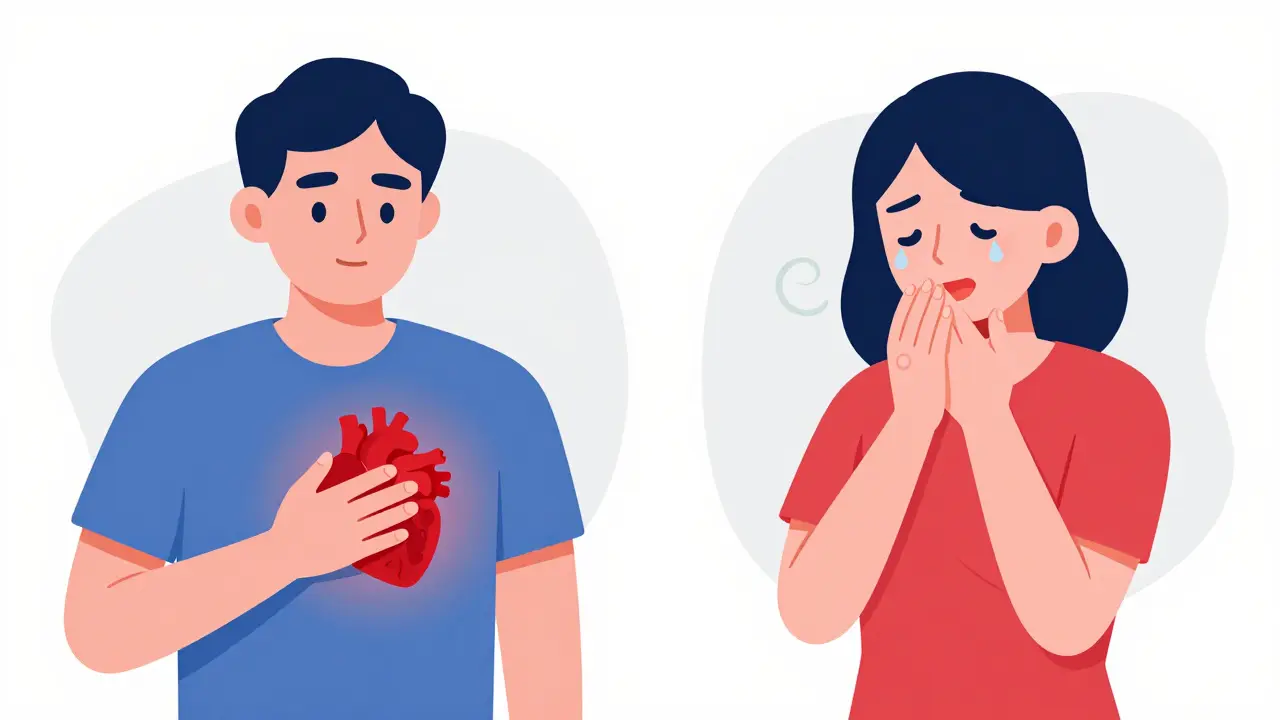
When most people think of a heart attack, they picture dramatic chest pain like in movies. While that does happen, reality is often more subtle and varied. According to the American Heart Association (AHA), updated in November 2022, the hallmark symptom is chest discomfort. This isn’t always sharp pain. It might feel like uncomfortable pressure, squeezing, fullness, or a dull ache in the center of the chest. Crucially, this sensation lasts more than a few minutes or goes away and comes back.
But chest issues are only part of the story. About 65% of heart attack patients experience discomfort in other upper body areas. This includes one or both arms, the back, neck, jaw, or stomach. If you feel unexplained pain radiating to your left arm or jaw, especially if it accompanies chest tightness, do not ignore it.
Shortness of breath affects roughly 40% of cases, sometimes appearing without any chest pain at all. Other common physical signals include:
- Breaking out in a cold sweat (reported in 30% of cases)
- Nausea or vomiting (25%)
- Rapid or irregular heartbeat (15%)
- Lightheadedness or dizziness (20%)
These symptoms can appear suddenly or build gradually. Geisinger Health System research from February 2025 revealed that subtle signs like unexplained weakness or palpitations can start weeks before a major event. Don’t dismiss unusual fatigue as just "getting older" or "stress."
Why Women’s Heart Attacks Are Different (and More Dangerous)
If you’re a woman, you need to know that your body may signal a heart attack differently than a man’s. A 2023 study in the Journal of the American College of Cardiology found that while 90% of men experience chest pain, only 64% of women do. This discrepancy leads to dangerous delays. Women are 58% more likely to report shortness of breath as their primary symptom and 47% more likely to have nausea or vomiting.
Dr. Eugenia Gianos, Director of Women’s Heart Health at NYU Langone Health, noted in Circulation (January 2023) that women often describe symptoms as "pressure or tightness" rather than sharp pain. This vague description often causes them to attribute the feeling to anxiety, indigestion, or muscle strain. Consequently, women’s heart attacks are misdiagnosed 50% more often than men’s, contributing to a significantly higher one-year mortality rate post-event.
Pay special attention to these "atypical" symptoms, especially if you are over 55:
- Overwhelming anxiety or a sense of impending doom
- Upset stomach or indigestion-like feelings
- Back or jaw pain without chest discomfort
- Unusual tiredness (reported in 48% of women vs. 29% of men)
If you feel something is "off" but can’t pinpoint classic chest pain, trust your instinct. Seek help immediately.
Silent Heart Attacks and Older Adults
Not all heart attacks announce themselves with loud alarms. "Silent" heart attacks occur without noticeable symptoms, particularly in older adults and people with diabetes. Mayo Clinic research from 2022 indicates that 30% of patients over 75 experience silent heart attacks, compared to only 10% of those under 65. These events often go unrecognized until routine tests reveal past damage.
Even if you don’t feel acute pain, sudden changes in energy levels, mild confusion, or slight difficulty breathing could be signs. For seniors, any unexplained decline in function should trigger a medical check-up. Early detection through regular EKGs and blood work is critical for this demographic.
What to Do Immediately: Step-by-Step Emergency Care
Recognizing the symptoms is half the battle; acting correctly is the other. Every second matters. Here is the exact protocol recommended by the NHS England and the American Heart Association:
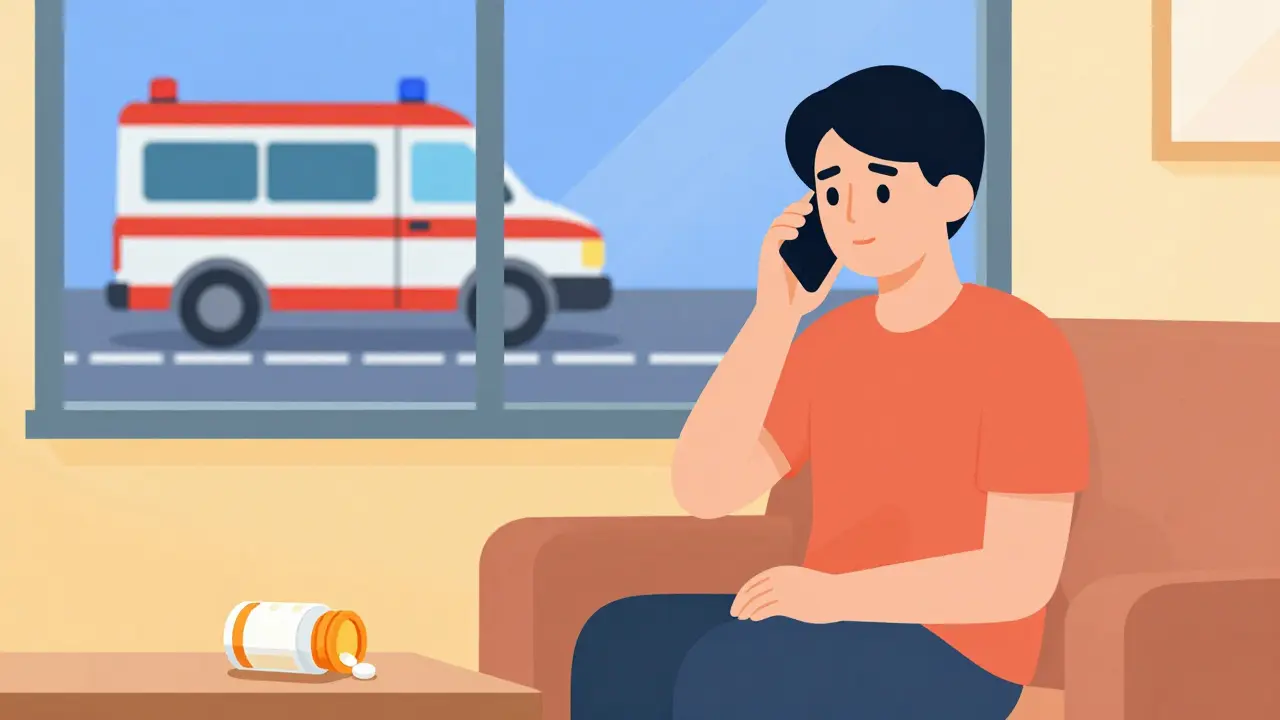
- Call Emergency Services Immediately: Dial 911 (or your local emergency number). Do not drive yourself to the hospital. Ambulance crews can begin life-saving treatments en route and arrive 25% faster than private vehicles in many scenarios. They also alert the hospital so the cath lab team is ready upon arrival.
- Chew Aspirin: If you are not allergic to aspirin and haven’t been told to avoid it by your doctor, chew one adult aspirin (325mg) or four baby aspirins (81mg each). Chewing gets the medication into your bloodstream faster than swallowing it whole. This helps prevent further blood clotting.
- Stay Calm and Rest: Sit down or lie down in a comfortable position. Avoid exertion. Stress increases heart rate and oxygen demand, which worsens the blockage.
- Unlock Your Door: If you are alone, unlock your front door so paramedics can enter quickly if you become unconscious.
Dr. Deepak Bhatt from Harvard’s Brigham and Women’s Hospital emphasizes that the optimal treatment window is 90 minutes from symptom onset. Yet, the average patient waits three hours before calling 911. Cut that time in half. Better safe than sorry.

Common Myths That Delay Treatment
Fear and misinformation keep people from seeking help. Let’s clear up some dangerous myths:
Myth: "It’s just indigestion."
The American College of Cardiology warns that upper abdominal pain mimicking indigestion occurs in 24% of heart attacks. If antacids don’t help within 15-20 minutes, or if you have risk factors (high blood pressure, smoking, family history), assume it’s cardiac-related.
Myth: "I’ll drive myself to save time."
Driving puts you at risk of losing consciousness behind the wheel, endangering yourself and others. Plus, ambulances have defibrillators and medications that cars don’t. Paramedics can start CPR instantly if you stop breathing.
Myth: "Heart attacks only happen to older people."
While risk increases with age, heart attacks in adults aged 25-44 increased by 2% annually from 2000 to 2016, according to JAMA Internal Medicine. Younger individuals, especially women, often ignore symptoms due to perceived invincibility.
| Symptom | Men | Women |
|---|---|---|
| Chest Pain/Pressure | 90% | 64% |
| Shortness of Breath | Less Common | 58% More Likely |
| Nausea/Vomiting | Less Common | 47% More Likely |
| Back/Jaw Pain | Less Common | 37% More Likely |
| Extreme Fatigue | 29% | 48% |
Prevention and Early Detection Technology
Prevention starts with awareness of your risk factors: high blood pressure, high cholesterol, diabetes, smoking, obesity, and family history. Regular check-ups are non-negotiable. However, technology is now playing a bigger role in early detection.
In March 2023, the FDA approved CardioLogics AI, an algorithm that analyzes EKG patterns to predict heart attacks with 92.7% accuracy up to 30 minutes before symptoms appear. While this isn’t yet available for home use, wearable tech has advanced rapidly. Devices capable of detecting atrial fibrillation-a precursor to some cardiac events-are owned by 38% of U.S. adults. If your smartwatch alerts you to an irregular heart rhythm, take it seriously and consult your doctor.
Community education also works. The AHA’s "Stop the Clock" campaign and CPR training programs have been shown to reduce response times and increase survival rates by 28% in communities with high training participation. Consider taking a basic first aid and CPR course. You might save a life-including your own.
How long do heart attack symptoms last?
Symptoms typically last more than a few minutes. They may come and go, but persistent discomfort lasting 15 minutes or longer is a major red flag. Some symptoms can linger for days before the actual event, manifesting as unusual fatigue or mild indigestion.
Can a heart attack happen without chest pain?
Yes. This is called a "silent" heart attack. It is more common in women, older adults, and people with diabetes. Symptoms may include shortness of breath, nausea, cold sweats, or extreme fatigue without any chest discomfort.
Should I drive myself to the hospital if I suspect a heart attack?
No. Never drive yourself. Call 911 immediately. Ambulance personnel can start treatment on the way, including administering oxygen and monitoring your heart rhythm. Driving risks losing consciousness and causing an accident.
What is the best position to be in while waiting for an ambulance?
Sit upright or lean slightly forward. This position makes breathing easier and reduces strain on the heart. Avoid lying flat on your back if you are short of breath. Stay calm and rest while you wait.
Why do women experience different heart attack symptoms?
The exact reasons are still being studied, but hormonal differences and smaller artery sizes in women may play a role. Women are more likely to experience microvascular disease, which affects smaller blood vessels, leading to symptoms like fatigue, nausea, and shortness of breath rather than classic crushing chest pain.
Is aspirin really helpful during a heart attack?
Yes, if you are not allergic. Chewing aspirin helps inhibit platelets from clumping together, which can slow the growth of the blood clot blocking your heart artery. It buys crucial time until you reach the hospital. Always confirm with emergency dispatchers if unsure.