
Did you know that less than 10% of medication side effects are ever reported? That means for every reaction you speak up about, nine others go unnoticed. This gap puts patients at risk and slows down the discovery of serious safety issues. Staying informed isn't just a job requirement for healthcare pros; it’s a critical part of keeping yourself and your community safe. With the right channels, you can cut through the noise and get accurate, actionable updates on global medication safety.
The Global Network You Need to Know
Medication safety isn't managed by one single office. It’s a massive, coordinated effort involving international bodies, national regulators, and professional organizations. Understanding who does what helps you know where to look for specific types of information.
World Health Organization (WHO) is the primary global authority coordinating international health policies and safety standards. They set the big-picture guidelines. For instance, in May 2025, they released comprehensive guidelines on balanced national policies for controlled medicines. This wasn't just paperwork; Dr. Yukiko Nakatani, WHO Assistant Director-General, emphasized that the suffering caused by lack of safe access to these medicines is "preventable and unacceptable." If you want high-level policy shifts and global alerts, WHO is your source.
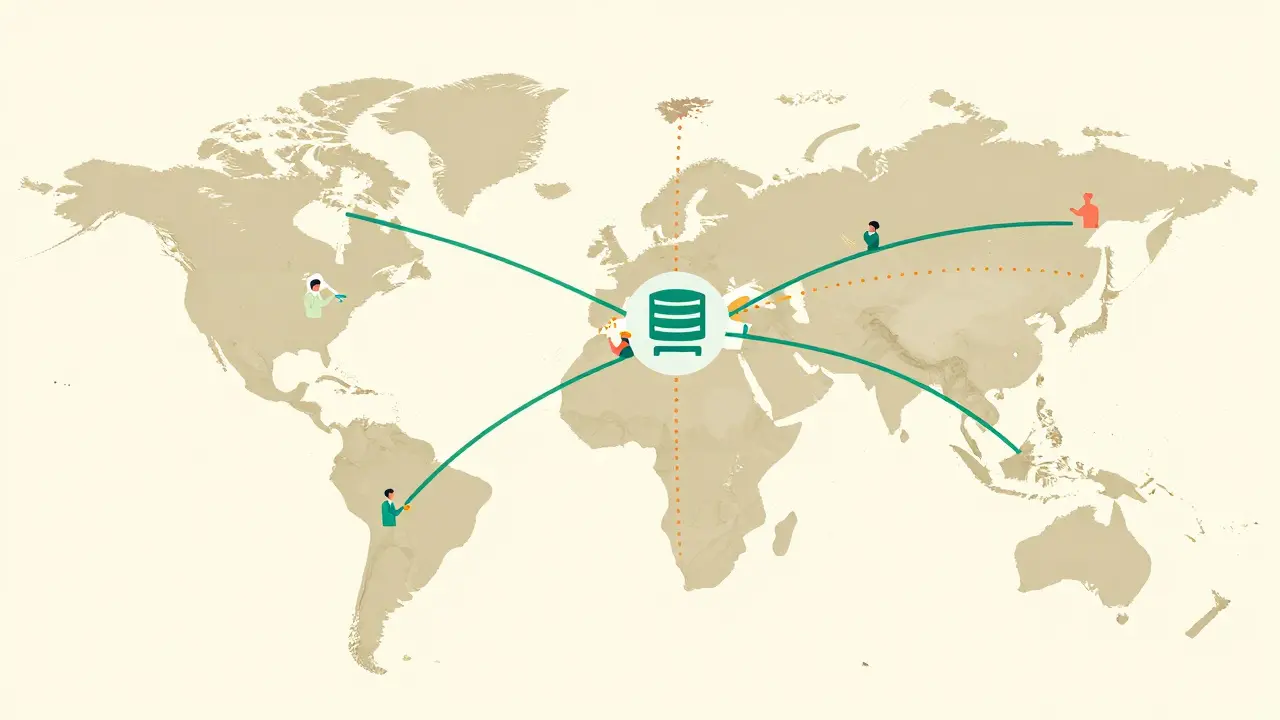
Then there's the Uppsala Monitoring Centre (UMC), which coordinates the WHO Programme for International Drug Monitoring connecting 150 countries. They handle the data crunching and run major awareness campaigns. Their work ensures that a side effect reported in Brazil can be cross-referenced with data from Japan, helping spot trends faster.
| Organization | Primary Role | Key Output/Initiative |
|---|---|---|
| WHO | Global Policy & Guidelines | Guidelines on Controlled Medicines (2025) |
| UMC | Data Coordination & Campaigns | #MedSafetyWeek, VigiBase Database |
| ISMP | Best Practices & Error Prevention | Targeted Medication Safety Best Practices |
| MHRA (UK) | National Regulation & Reporting | Yellow Card Scheme |
Campaigns That Drive Awareness
You don't have to wait for a crisis to learn about safety. Several annual campaigns keep the topic front and center. The most prominent is #MedSafetyWeek, coordinated by the UMC. Running during the first week of November, this campaign marks its 10th anniversary in 2025 with the theme "we can all help make medicines safer." It mobilizes over 117 countries and 131 organizations to push for better reporting.
Why does this matter to you? Because these campaigns provide free, ready-to-use resources. During #MedSafetyWeek, you can find digital posters, social media kits, and educational materials designed to help you talk to patients or colleagues about side effects. In Australia, one hospital pharmacist reported a 25% increase in staff reporting after using these materials. That’s a tangible result from simply engaging with the campaign.
Another key date is World Patient Safety Day on September 17. Organized by the WHO, the 2025 theme focuses on "ensuring safe care for every newborn." While broader than just drugs, it often highlights medication errors in pediatric care, offering specialized insights for those working with children.
Daily Tools for Professionals and Patients
Campaigns are great for bursts of attention, but daily safety requires consistent tools. Here’s how to stay updated in your routine:
- Subscribe to Alerts: Sign up for email updates from the WHO’s Medicines Safety page. These digests cover new warnings, recalls, and guideline changes without requiring you to hunt for them.
- Use Reporting Apps: In the UK, the MHRA promotes the Yellow Card scheme. You can download the Yellow Card app to report adverse reactions to medicines, vaccines, and even e-cigarettes instantly. Other countries have similar systems; knowing yours is crucial.
- Follow Hashtags: Social media is a real-time newsroom. Follow hashtags like
#ReportSideEffects,#patientsafety, and#MHRAYellowCard. Healthcare professionals often share breaking news or personal experiences here before official reports are published.
If you’re a clinician, consider clinical decision support databases like Medi-Span. Evidence shows it reduced medication errors by 40% in Saudi Arabia’s healthcare system by providing instant, evidence-based drug info. For individual patients, checking reputable sources like the FDA’s Sentinel Initiative updates or local regulatory body websites is the best defense against misinformation.
Understanding the Risks: What Experts Are Saying
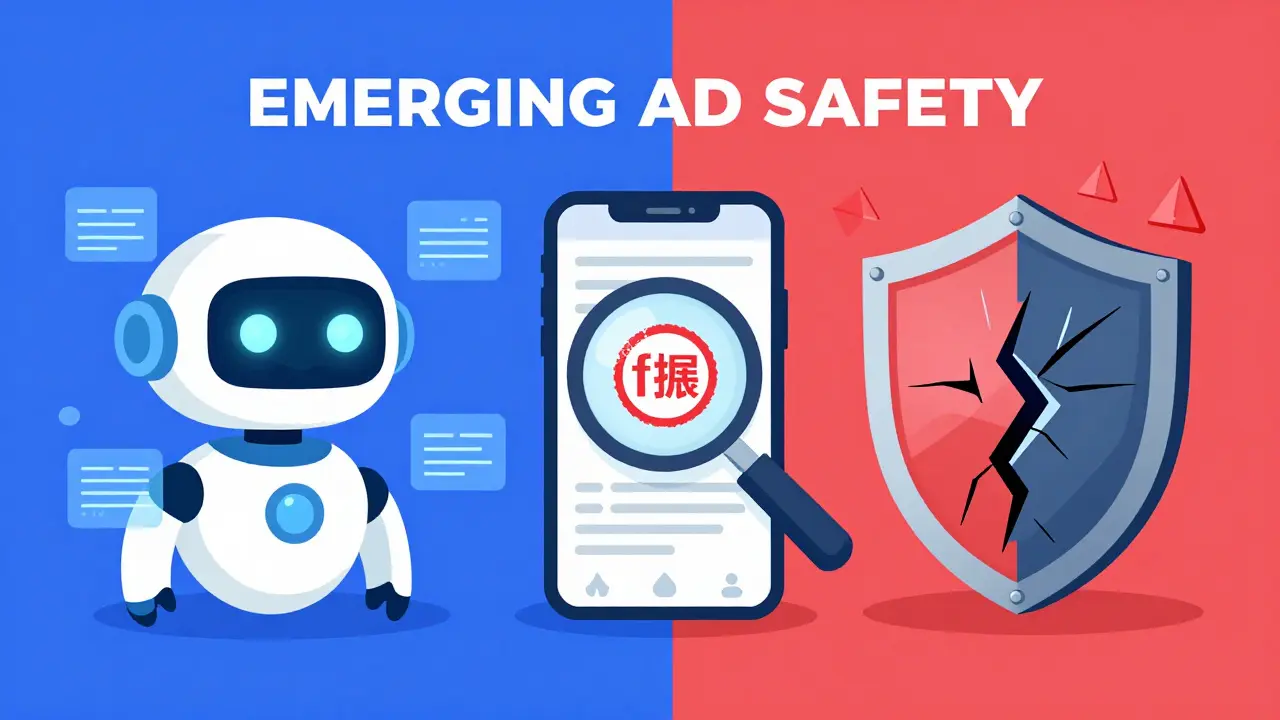
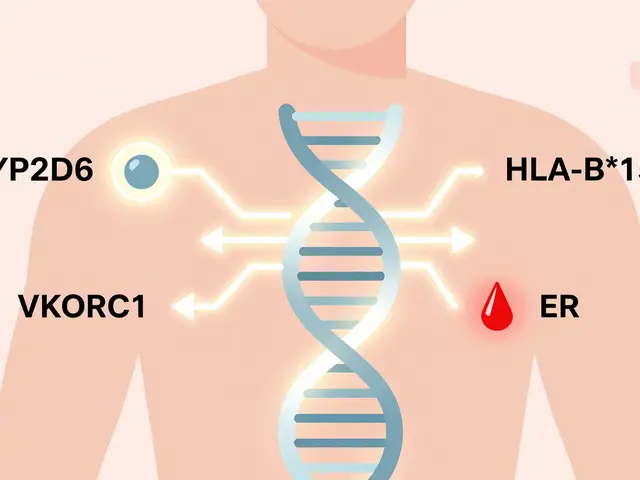
Staying informed also means understanding the current landscape of risks. The joint ECRI/ISMP Top 10 Patient Safety Issues report for 2025 highlights that while we’ve made progress, new dangers are emerging. The top concerns include:
- AI in Clinical Settings: Artificial intelligence is changing how diagnoses are made, but it introduces new error types if not monitored correctly.
- Cyberattacks on Health Data: Security breaches can disrupt access to critical patient history, leading to dangerous prescribing decisions.
- Medical Misinformation: This was identified as the third most critical issue. False claims on social media have been linked to an 18% increase in adverse event reports in some regions, particularly regarding vaccines.
Michael J. Gaunt, PharmD, Senior Manager at ISMP, advises that community pharmacies should focus on identifying gaps in their safety practices. He suggests using ISMP’s implementation worksheets to create action plans. Early adopters of these best practices have seen a 15-22% reduction in medication errors. This isn't just theory; it’s a proven method for improving safety outcomes.
Bridging the Global Gap
It’s important to acknowledge that medication safety isn’t equal worldwide. The WHO’s Global Patient Safety Report 2024 reveals stark disparities. High-income countries average 350-400 adverse event reports per million people annually. In contrast, low-income countries report only 5-10 per million. This doesn't necessarily mean fewer side effects occur; it means fewer are detected and addressed.
This gap affects everyone because diseases and drug usage patterns are global. A safety signal missed in one region can impact supply chains and treatment protocols everywhere. By staying informed, you contribute to a more robust global network. Sharing knowledge, supporting initiatives that fund pharmacovigilance in lower-resource settings, and advocating for better integration between reporting systems are ways to help close this divide.
Action Plan: How to Start Today
You don’t need to overhaul your life to stay informed. Start small and build habits:
- Month 1: Subscribe to WHO Medicines Safety emails and download your country’s adverse event reporting app (e.g., Yellow Card in the UK).
- Month 2: Identify your local regulatory body’s website and bookmark their "Safety Alerts" section. Set a monthly reminder to check it.
- Ongoing: Join professional forums or social media groups focused on patient safety. Engage with content during #MedSafetyWeek (November) and World Patient Safety Day (September 17).
- For Clinicians: Conduct a gap analysis using ISMP’s 2025-2026 Best Practices. Focus on areas like weight-based dosing verification, which has prevented fatal errors in real-world scenarios.
Remember, medication safety is a shared responsibility. Whether you’re a doctor, pharmacist, nurse, or patient, your voice matters. Reporting a side effect might seem minor, but it could be the piece of data that saves someone else’s life. Stay curious, stay connected, and never underestimate the power of speaking up.
What is the best way to report a medication side effect?
The best way depends on your location. In the UK, use the MHRA’s Yellow Card scheme via their website or mobile app. In the US, you can report to the FDA’s MedWatch program. Globally, many countries participate in the WHO Programme for International Drug Monitoring, so check with your national regulatory agency for their specific reporting portal.
When is #MedSafetyWeek held?
#MedSafetyWeek is held annually during the first week of November. The 2025 campaign runs from November 3-9. It’s a global initiative coordinated by the Uppsala Monitoring Centre to encourage reporting of side effects and raise awareness about medication safety.
Why are so few side effects reported?
Less than 10% of side effects are reported due to factors like lack of awareness, complex reporting processes, and the belief that minor reactions aren't worth reporting. However, even mild reactions can reveal important safety patterns when aggregated across large populations.
How can I verify if medication safety news is credible?
Stick to official sources like the WHO, FDA, EMA, or your national health authority. Be wary of social media posts that lack citations or come from unverified accounts. Cross-reference any alarming news with multiple reputable regulatory bodies before drawing conclusions.
What role does AI play in medication safety?
AI is increasingly used for predictive safety monitoring and analyzing large datasets for hidden side effect patterns. However, it also poses risks if algorithms are flawed or if cyberattacks compromise health data. The ECRI/ISMP 2025 report lists AI in clinical settings as a top patient safety issue to monitor closely.

John Anderson
July 10, 2026 AT 17:02you really think people care about this. nobody reports side effects because they are busy living their lives and you want them to fill out forms for a government agency that ignores them anyway. stop trying to guilt trip everyone into doing your job.
Kevin Burke
July 11, 2026 AT 11:53the true nature of safety is not found in the rigid structures of international bureaucracy but in the individual consciousness of the practitioner who understands that every pill is a contract with reality. we must look inward before we can look outward at these so-called guidelines. the WHO provides a map, yes, but it does not provide the compass. one must cultivate a sense of moral clarity that transcends the mere act of reporting. when you hold a medication, you are holding potential energy that can heal or destroy. this duality requires a philosophical stance that most modern healthcare workers have abandoned in favor of efficiency. efficiency is the enemy of truth. we must slow down. we must question. we must understand that the data points collected by the UMC are merely shadows on the cave wall of Plato's allegory. the real form of safety exists in the mind of the healer who refuses to be complacent. do not just follow the protocol. embody the principle of vigilance. let your actions be guided by an inner light that sees beyond the statistical noise. only then can we truly say we are safe. the rest is just administrative theater.
neal vince
July 13, 2026 AT 05:05actually the yellow card scheme has been criticized for its low uptake rates which suggests that the issue is not just awareness but also the usability of the reporting mechanisms themselves. furthermore the claim that ai introduces new error types is somewhat reductive as ai systems are designed to reduce human cognitive load and thus potentially decrease errors if implemented correctly with proper oversight. the ecri report fails to account for the fact that many of these 'ai errors' are actually failures in human-computer interaction design rather than flaws in the algorithms themselves. it is important to distinguish between technical failure and operational misuse. additionally the disparity in reporting rates between high income and low income countries is largely due to infrastructure deficits rather than a lack of willingness to report. simply telling people to subscribe to emails does not address the fundamental structural inequalities in global health data collection. we need better interoperability standards and automated reporting tools integrated directly into electronic health records to make passive reporting the norm rather than the exception. without such systemic changes voluntary reporting will remain insufficient.
Emily Schor
July 13, 2026 AT 16:29i agree that staying informed is crucial and i appreciate the list of resources provided. it is helpful to know exactly where to look for updates especially during campaigns like medsafetyweek. i plan to bookmark the who medicines safety page as suggested. it seems like a manageable way to stay updated without feeling overwhelmed by information overload. thanks for sharing this guide.
Arun Krishnan
July 15, 2026 AT 08:06this is a great reminder for all of us to take ownership of our health and the health of those around us. small steps like subscribing to alerts can make a big difference over time. let us support each other in building these habits. remember that every report counts and helps build a safer community for everyone. keep up the good work in spreading awareness.
anna arifiana
July 15, 2026 AT 22:00while the author presents this information as a practical guide, it fundamentally overlooks the systemic barriers that prevent effective reporting in the first place; namely, the sheer volume of administrative tasks already burdening healthcare professionals, which leaves little room for additional documentation requirements, no matter how well-intentioned they may be; furthermore, the reliance on social media hashtags for critical safety information is deeply problematic given the prevalence of misinformation and the lack of regulatory oversight on these platforms, which can lead to confusion rather than clarity among patients and providers alike; the suggestion that individuals should simply "stay curious" ignores the fact that curiosity without context can lead to anxiety and mistrust in medical institutions, thereby exacerbating the very issues the article aims to solve; therefore, any meaningful improvement in medication safety must begin with reducing the administrative burden on clinicians and investing in robust, user-friendly digital infrastructure that automates data collection rather than relying on voluntary manual entry from exhausted staff members who are already stretched thin.
Marie-Gladys Darcelin
July 16, 2026 AT 08:56it is absolutely scandalous that we continue to rely on such rudimentary methods for ensuring patient safety in the twenty-first century. the fact that less than ten percent of side effects are reported is not merely a statistic; it is a indictment of our collective apathy and negligence towards the sanctity of human life. we must demand immediate and drastic reforms in how we monitor and respond to adverse drug events. the current system is broken beyond repair and requires a complete overhaul from the top down. until then, we are all complicit in the suffering of those who fall through the cracks. shame on us all.
Kyle Bonnette-Lykens
July 16, 2026 AT 13:15most of this is fluff. just use the app if you want to report something. otherwise ignore it.