
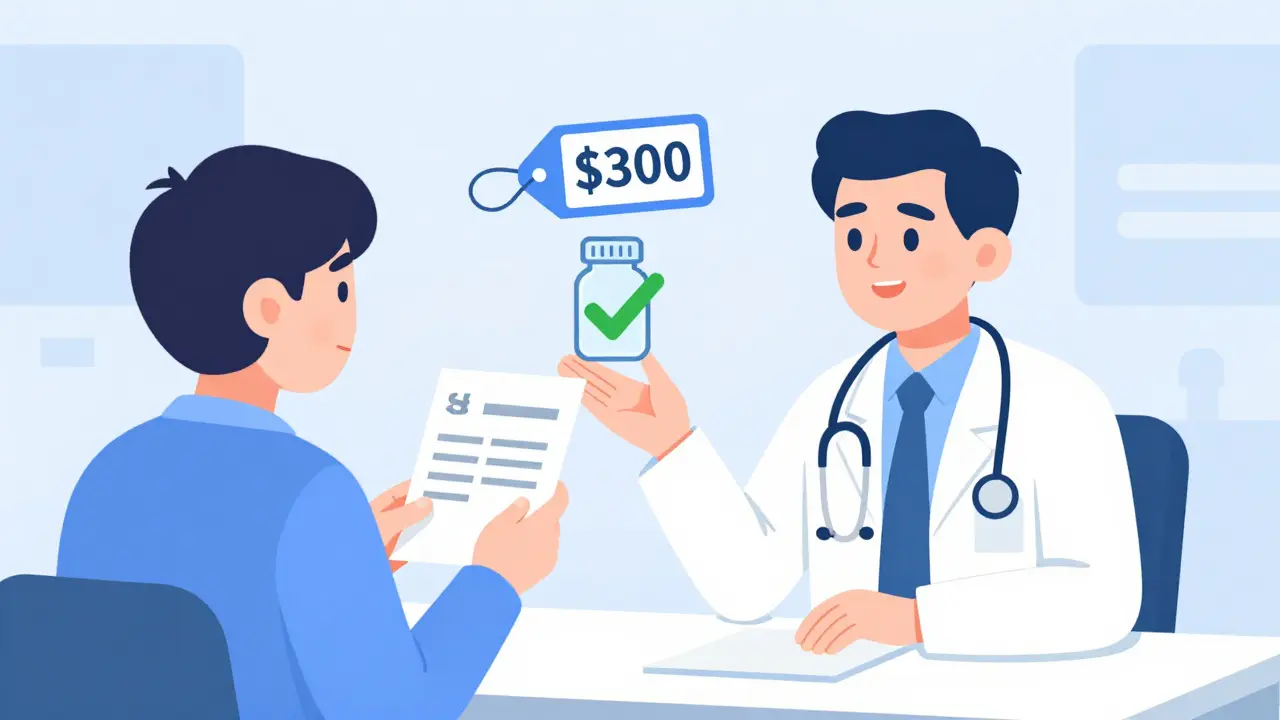
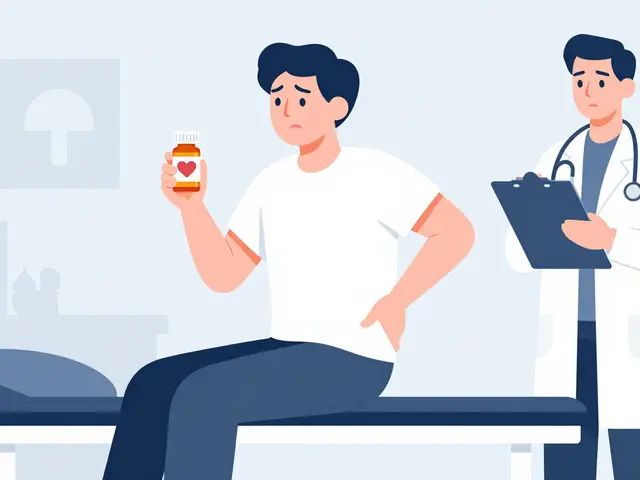
Imagine a patient sitting across from you, holding a prescription for a brand-name medication that costs $300 a month. They look worried. They’ve heard the insurance company wants them to switch to a generic version, but they’re skeptical. "Is it really the same?" they ask. This isn’t just a question about chemistry; it’s a test of your ability to bridge the gap between regulatory science and patient trust.
For decades, doctors have been told to prescribe generics whenever possible. The American College of Physicians made this clear in their 2015 position statement, urging clinicians to use generics to improve therapy adherence. Yet, despite these directives, misconceptions persist. In fact, data shows that while 90% of prescriptions filled in the U.S. are now for generic drugs, many physicians still hesitate to make the switch confidently. Why? Because the educational resources available haven’t always matched the speed or complexity of modern clinical workflows.
This article cuts through the noise. We’ll explore the most effective prescriber education resources available today, how to integrate them into your daily practice, and why mastering the conversation around generic medications is critical for both patient health and healthcare sustainability.
The Regulatory Backbone: Understanding Bioequivalence
To convince a skeptical patient, you first need to be convinced yourself. The foundation of generic prescribing lies in the concept of bioequivalence. But what does that actually mean in plain English?
The U.S. Food and Drug Administration (FDA) requires that every generic drug demonstrate bioequivalence to its brand-name counterpart. This means the generic must deliver the same amount of active ingredient into a patient’s bloodstream within the same time frame. Specifically, the FDA mandates that the generic’s bioavailability falls within an 80-125% confidence interval of the brand-name drug. While this range might sound wide to a layperson, statistically, it ensures therapeutic equivalence for the vast majority of patients.
FDA Generic Drugs Education Program is a formal initiative established in 2008 to equip physicians with evidence-based information about generic drugs, focusing on safety, efficacy, and cost-effectiveness. It was significantly expanded following the Generic Drug User Fee Amendments (GDUFA) of 2012, which leveraged industry fees to fund faster reviews and better educational materials.
The approval process itself is rigorous. Unlike brand-name drugs, which require extensive Phase I-III clinical trials involving thousands of participants, generic manufacturers submit an Abbreviated New Drug Application (ANDA). This application relies on pharmacokinetic studies conducted in smaller groups-typically 24 to 36 healthy volunteers-to prove that the generic behaves identically to the reference listed drug. For most oral solid dosage forms, this scientific standard is robust enough to guarantee identical clinical outcomes.
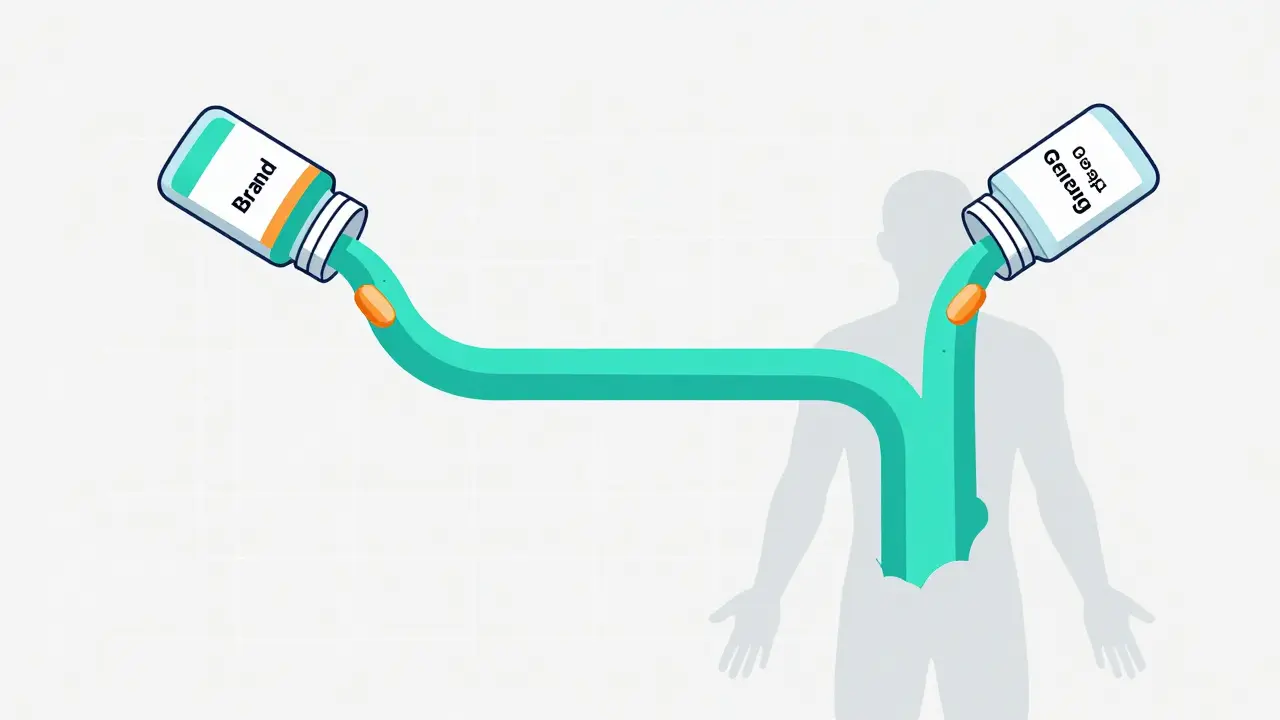
However, not all generics are created equal when it comes to complexity. Simple pills and capsules follow straightforward ANDA pathways. Complex generics, such as inhalers, topical creams, or transdermal patches, present unique challenges. These delivery systems often require more nuanced evaluation because factors like particle size or skin absorption rates can vary slightly between manufacturers. Recognizing this distinction is crucial for avoiding therapeutic failures in sensitive conditions like asthma or dermatitis.
Key Educational Tools for Clinicians
You don’t have time to read lengthy textbooks during a 15-minute appointment. That’s why leading health organizations have developed concise, actionable tools designed for quick reference. Here are the top resources you should know:
- FDA Prescriber Flyers: Released in updated Version 2 in March 2022, these single-page documents fit perfectly in medical office literature racks. They include QR codes linking to Spanish-language resources, addressing health equity concerns identified in recent surveys.
- Generic Drugs Stakeholder Toolkit: Launched in January 2023, this comprehensive package includes 12 social media templates, 5 customizable info cards, and infographics explaining concepts like "What Makes a Generic the Same?"
- Health Equity Handouts: Specific materials addressing disparities, noting that patients earning less than $25,000 annually are 3.7 times more likely to skip medications due to cost.
These materials aren’t just marketing fluff. They adhere to Health Literacy Universal Precautions, calibrated to a 6th-8th grade reading level. This ensures that when you hand a flyer to a patient, they can actually understand it without needing further explanation.
Comparing Global Approaches to Generic Education
If you practice internationally or treat patients who travel, you might notice differences in how generic drugs are viewed. The U.S. approach, led by the FDA, emphasizes regulatory science and postmarketing surveillance. In contrast, the European Medicines Agency (EMA) often focuses on comparative dissolution profiles for certain drug classes, promoting a concept of "sameness" rather than strict bioequivalence metrics.
| Organization | Primary Focus | Key Metric/Standard | Educational Format |
|---|---|---|---|
| FDA (USA) | Regulatory Science & Safety | 80-125% Bioequivalence Range | Prescriber Flyers, Toolkits, Infographics |
| EMA (Europe) | Comparative Dissolution | "Sameness" Concept | Scientific Guidelines, Public Awareness Campaigns |
| CDC (USA) | Pain Management Integration | 78% Opioid Substitution Potential | Prescribing Guidelines, Implementation Toolkits |
Despite these regional nuances, there is a 95% alignment on core scientific standards globally. The key takeaway for prescribers is consistency: whether you’re in Sheffield or San Francisco, the principle remains that approved generics are therapeutically equivalent to their brand-name counterparts for the majority of indications.
Integrating Resources into Clinical Workflows
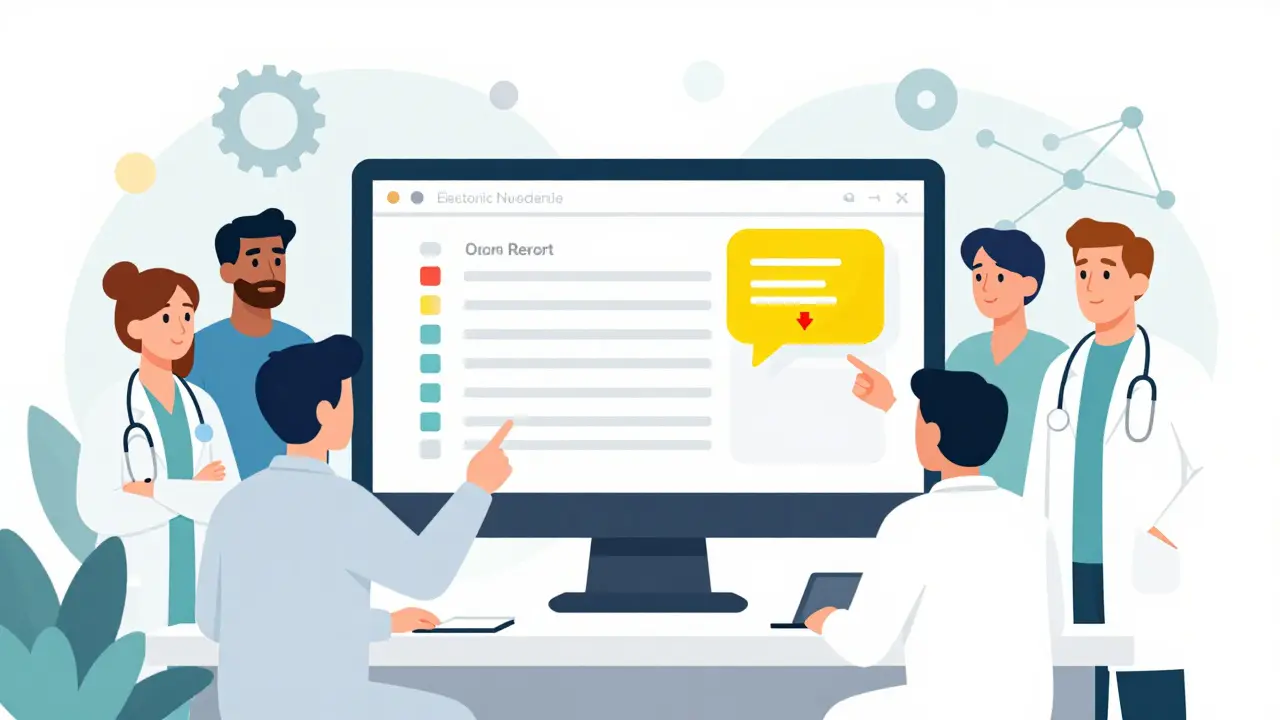
Having access to information is one thing; using it effectively is another. A 2023 survey by the American Society of Health-System Pharmacists revealed that 68% of physicians found FDA flyers useful but too technical for quick reference. The solution? Embedding education directly into your Electronic Health Record (EHR) system.
Kaiser Permanente demonstrated the power of this integration in 2021. By embedding FDA generic drug facts into their Epic EHR decision support system, they reduced brand-name prescribing by 18.7% within just six months. Imagine seeing a pop-up alert that says, "Generic alternative available: saves patient $262/month with 99.7% identical effect." That’s persuasive.
Currently, only 37% of major EHR systems incorporate these educational pop-ups, according to KLAS Research. If your practice hasn’t adopted this yet, consider advocating for it. Meanwhile, you can manually integrate conversation prompts into patient intake forms. Ask questions like, "Are you concerned about the cost of your current medication?" before even writing the prescription. This proactive approach opens the door for discussing generic alternatives naturally.
Addressing Patient Concerns: Scripts and Strategies
Patients worry for valid reasons. They may have experienced side effects with a previous generic, or they simply trust the brand name they’ve used for years. Dr. Aaron Kesselheim, a Harvard Medical School professor, notes that the most effective interventions combine regulatory explanations with explicit cost-benefit analysis.
Here’s a simple script you can adapt:
"I understand your concern. The FDA requires that generic drugs work exactly the same way in your body as the brand name. The main difference is the inactive ingredients, like fillers or dyes, which rarely cause issues. Switching to the generic will save you significant money without compromising your health. If you do experience any unusual side effects, we can reassess, but statistically, you’ll feel just as good."
For complex cases, such as narrow therapeutic index drugs (e.g., warfarin or levothyroxine), acknowledge the nuance. Explain that while generics are approved, some patients may benefit from staying on a specific manufacturer’s product to maintain stable blood levels. This honesty builds trust and demonstrates expertise.
The Economic Imperative
Beyond individual patient care, generic prescribing has massive systemic implications. From 2010 to 2020, generic drugs saved the U.S. healthcare system $2.29 trillion. Projections suggest an additional $1.87 trillion in savings from 2021 to 2025. These numbers aren’t just abstract statistics; they represent resources that can be redirected toward preventive care, mental health services, and infrastructure improvements.
Dr. Janet Woodcock, former FDA Center for Drug Evaluation and Research Director, highlighted that misconceptions about generic effectiveness contribute to $1.3 billion in unnecessary healthcare costs annually. When patients refuse generics due to unfounded fears, they often discontinue therapy altogether or seek expensive alternatives. As a prescriber, you play a pivotal role in curbing this waste.
Future Trends: Digital Transformation and AI
The landscape of prescriber education is evolving rapidly. The FDA launched an API integration pilot in July 2023, connecting generic drug information directly to Epic and Cerner EHR systems. Early data showed a 15.2% increase in generic prescribing among participating physicians within six months.
Looking ahead, artificial intelligence offers promising possibilities. IBM Watson Health’s 2023 proof-of-concept demonstrated AI-generated generic substitution recommendations tailored to individual patient concerns. In a trial involving 120 physicians, this personalized approach increased patient acceptance rates by 29 percentage points. Imagine receiving an alert that not only suggests a generic alternative but also provides a customized talking point based on the patient’s medical history and preferences.
Additionally, the 2024 Medicare Part D proposed rule includes incentives for plans that implement prescriber education on therapeutic alternatives, potentially affecting 49 million beneficiaries. This regulatory push signals that generic literacy will become an even more critical competency for healthcare providers in the coming years.
Are generic drugs truly as safe as brand-name drugs?
Yes. The FDA monitors adverse events for both generic and brand-name drugs equally. In 2022, 12,467 adverse event reports were analyzed for generics compared to 11,832 for brand-name drugs, demonstrating equivalent safety monitoring. The active ingredients are identical, and bioequivalence standards ensure similar performance in the body.
Why do some patients report different effects with generics?
While the active ingredient is the same, inactive ingredients (fillers, binders, dyes) can differ. Rarely, a patient may be allergic or sensitive to a specific inactive component. Additionally, for narrow therapeutic index drugs, slight variations in absorption can matter, though this is uncommon for most medications.
How can I quickly explain bioequivalence to a patient?
Use the analogy of two different brands of coffee. One might taste slightly different due to bean origin or roast, but both provide the same caffeine kick. Similarly, generics may look different but deliver the same medicinal effect. Emphasize that the FDA requires them to work within a tight statistical range (80-125%) to ensure they are therapeutically equivalent.
What are "authorized generics"?
Authorized generics are brand-name drugs sold under a generic label by the original manufacturer. They contain the exact same formulation as the brand-name version but are priced lower. Confusion arises because some physicians believe they are distinct products, but they are chemically identical to the brand-name drug.
Do electronic health records (EHRs) help with generic prescribing?
Yes, significantly. EHRs with integrated decision support can alert physicians to available generic alternatives, display cost savings, and provide educational snippets at the point of care. Studies show that practices using such features see higher rates of generic adoption and better patient compliance.
Jennifer Legore
June 1, 2026 AT 09:22I am absolutely thrilled to read this comprehensive guide! It really resonates with me because I have seen so many patients struggle with the cost of brand-name medications, and it breaks my heart when they skip doses just to save money. The section on integrating educational tools into clinical workflows was particularly enlightening for me. I think we need more doctors to adopt this proactive approach where they ask about medication costs upfront. It creates such a positive environment for trust-building between the doctor and the patient. Also, the idea of using QR codes on flyers is brilliant because it allows patients to access information in their own time and even in different languages like Spanish. This truly promotes health equity which is something I care deeply about. Let's keep spreading awareness about how safe and effective generics are! :)
Alyssa Zucker
June 2, 2026 AT 10:12I used to feel very anxious when my doctor suggested switching to a generic version of my anxiety medication. I kept thinking that maybe the original pill had some special quality that made it work better for me. Reading this article helped me understand that the FDA has strict rules about bioequivalence. Knowing that the generic must deliver the same amount of active ingredient within the same timeframe gave me peace of mind. It makes sense now why the inactive ingredients might look different but shouldn't affect how the drug works in my body. Thank you for explaining this so clearly.
Francis Saul
June 4, 2026 AT 09:37i totally get what u r saying bout the cost savings. my mom was paying like $300 a month for her blood pressure meds and when we switched to generic she saved almost all of that. it really helps out when ur trying to stretch a paycheck. the part about the ehr popups sounds cool too cause then the doc doesnt even have to bring it up u just see it right there. i wish more places did that. its just common sense to save money if the medicine works the same way. no point in paying extra for a fancy bottle label.
Dave Villeneue
June 5, 2026 AT 10:57The assertion that 'misconceptions persist' despite rigorous regulatory frameworks is frankly insulting to the intelligence of the medical community. If physicians are still hesitant after decades of clear data, it suggests a fundamental failure in medical education, not merely a lack of accessible resources. The 80-125% confidence interval is a statistical construct that does not guarantee identical clinical outcomes for every single patient, yet this nuance is dangerously oversimplified here. Furthermore, the reliance on 'educational toolkits' and 'social media templates' is a trivialization of serious pharmacological science. We need robust clinical trials comparing head-to-head efficacy in real-world settings, not infographics designed for sixth-graders. This piece reads more like a marketing brochure than a scientific discourse.
Nicholas Bowling
June 6, 2026 AT 08:46everyone says generics are fine but ive had terrible experiences. last year i switched my thyroid med to a generic and felt like crap for weeks. my energy levels dropped and i gained weight. the doctor said it was probably just stress but i know it was the pill. so yeah tell me about the statistics but my body knows the difference. why do we always have to follow the herd? maybe the brand name is better for a reason. its annoying when people try to convince me im wrong about my own health. i pay for quality not cheap fillers.
Mike Crump
June 8, 2026 AT 07:15Hey folks down under here! We see a lot of this debate over here in Australia too. The thing is, the European Medicines Agency takes a slightly different tack, focusing more on 'sameness' through dissolution profiles rather than just the strict bioequivalence numbers the FDA uses. It’s fascinating how regional approaches differ yet converge on the same core truth: approved generics are reliable. I’ve found that using the coffee analogy mentioned in the FAQ works wonders with patients. Just like two different brands of espresso might taste distinct due to bean origin, generics might look different but deliver the same medicinal kick. It’s all about managing expectations and building that trust bridge. Great read overall!
Samantha Arbuckle
June 9, 2026 AT 10:24this is such an important conversation to be having right now 💊✨ the economic impact alone is staggering with trillions saved for the healthcare system. imagine what we could do with those resources if redirected toward mental health services or preventive care. i love the idea of ai generated recommendations tailored to individual patient concerns. technology can really help bridge the gap between complex science and everyday understanding. lets keep pushing for better integration of these tools in ehr systems so every patient has access to affordable care 🌍💖
Stephanie Francis
June 10, 2026 AT 10:18I must strongly disagree with the notion that simply handing out flyers solves the problem of patient skepticism. While the materials are well-designed, they ignore the deep-seated psychological attachment patients have to brand-name medications. A flyer cannot replace a nuanced conversation. Moreover, the aggressive push towards generics often feels coercive rather than collaborative. Patients deserve to know that while generics are generally safe, there are exceptions, particularly with narrow therapeutic index drugs. To gloss over this is irresponsible. We need a more balanced approach that respects patient autonomy and acknowledges the limitations of current regulatory standards. Stop treating patients like robots who will automatically comply with cost-saving measures.
Jonathan Paul
June 11, 2026 AT 23:59its funny how everyone trusts the fda so blindly. big pharma has a lot of sway over these regulations. just because a drug is cheaper doesnt mean its better for you. i think people should do their own research instead of listening to doctors who are paid to prescribe certain things. the whole system is rigged to make money off sick people. generics are just another way to cut corners. dont let them fool u into thinking saving money is worth risking your health. stay woke and stick to what works for u personally regardless of what the guidelines say.