
Medication Shortage Action Planner
Interactive guide to managing missing prescriptions
What is your current situation?
Pharmacy Action Checklist
Proactive Continuity Plan
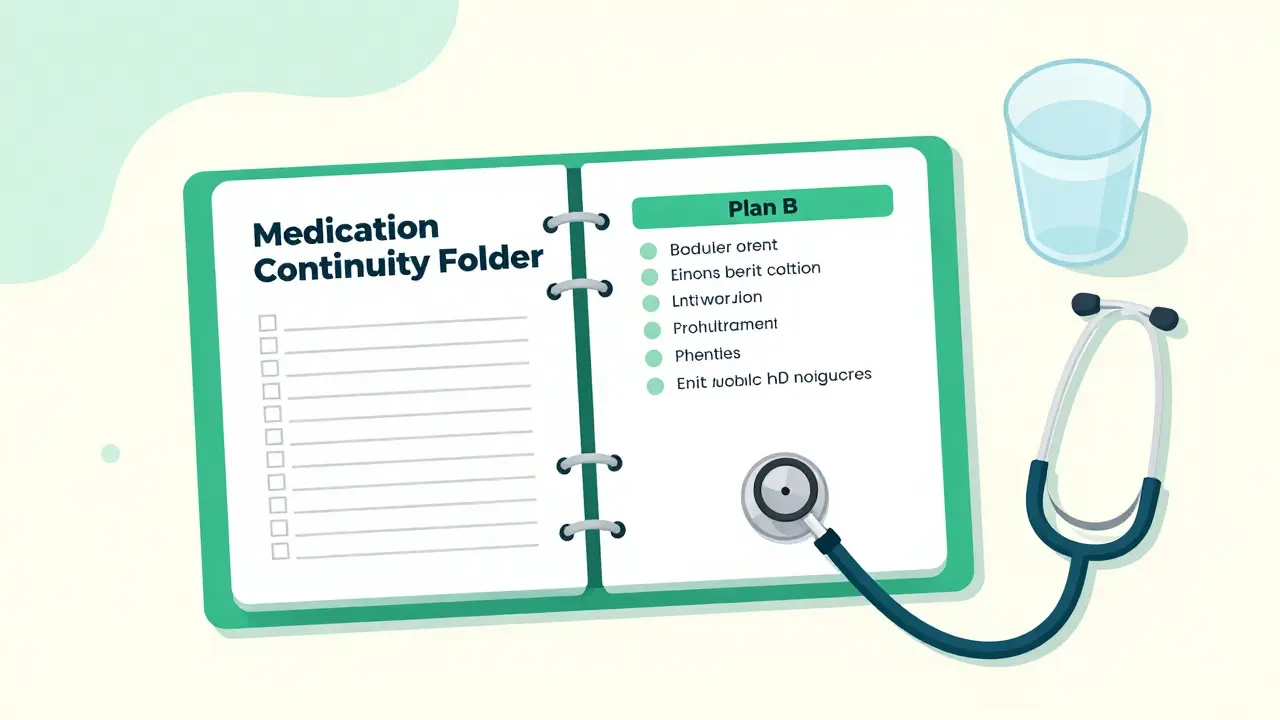
Create a "Medication Continuity Folder"
Include these three things for every critical drug:
- Exact generic and brand name
- Current dosage and frequency
- A doctor-approved "Preferred Alternative"
🛑 Red Flags to Watch For
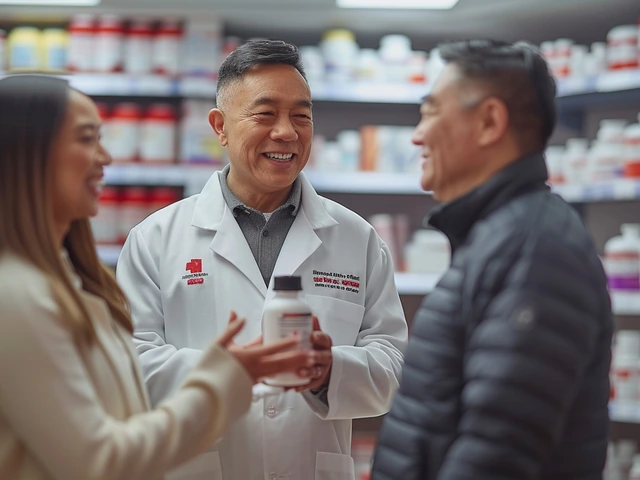
It is a nightmare scenario: you go to the pharmacy to pick up a life-saving prescription, only to be told the drug is on backorder. You aren't alone. In recent years, medication shortages is a situation where the national supply of a drug is inadequate to meet current or projected demand have shifted from occasional glitches to what the American Medical Association calls an "urgent public health crisis." Whether it's a baseline cancer therapy or a simple saline bag, missing meds can delay surgeries, disrupt chronic care, and cause genuine panic.
While you can't control the global supply chain, you can control how you respond. The goal isn't just to "find a drug," but to maintain your health without interruption. Here is how to navigate the system when the shelves are empty.
Quickly Assessing Your Risk
Not all shortages are created equal. Some affect generic versions of common pills, while others hit critical sterile injectables-like morphine or IV antibiotics-which are harder to replace. If you rely on a medication that is frequently flagged in the FDA Drug Shortage Database, you need a proactive plan rather than a reactive one. Waiting until your bottle is empty to find out there is a shortage is a recipe for stress.
Ask your doctor if your specific medication is prone to supply issues. If it is, discuss a "Plan B" now. This might mean identifying a therapeutic alternative-a different drug in the same class that does the same job-before you actually need it. Having this conversation while you're stable prevents rushed, high-stress decisions when a crisis hits.
Practical Steps When Your Meds Are Unavailable
When you find out your medication is missing, don't panic and don't just leave the pharmacy. Follow these steps to find a solution quickly:
- Ask for the specific reason: Is it a pharmacy-level stock issue or a manufacturer-level shortage? If the pharmacy is just out, they can often call nearby branches to find a bottle. If it's a manufacturer issue, you need a different strategy.
- Request a therapeutic substitution: Ask your pharmacist if there is a chemically similar drug. However, never switch medications without your doctor's approval. For example, some patients have had to switch from morphine to hydromorphone during shortages; these require different dosing scales.
- Check alternative dosages: Sometimes the 20mg tablet is gone, but the 10mg tablet is available. Your doctor can simply adjust the number of pills you take to reach the same dose.
- Explore different forms: If the tablet is unavailable, is there a liquid or extended-release version that works?
Understanding Why This Keeps Happening
You might wonder why a modern healthcare system can't just make more drugs. The reality is that the system is fragile. A huge portion of Active Pharmaceutical Ingredients (APIs) are made overseas, with about 40% coming from China and 30% from India. If one factory in one city has a quality control failure, the ripple effect hits pharmacies thousands of miles away.
Manufacturing quality problems are a leading cause. When a facility fails an inspection, production stops. Because many generic drugs are produced by only a handful of companies, there is no "backup' factory to pick up the slack. This is especially true for sterile injectables, where 75% of production is controlled by just three manufacturers.
| Strategy | How it Works | Pros | Cons |
|---|---|---|---|
| Buffering/Stockpiling | Keeping 14-30 days of extra supply | Immediate availability | Higher cost, risk of expiration |
| Dual Sourcing | Buying from two different makers | Redundancy if one fails | More complex procurement |
| Therapeutic Swap | Using a different but similar drug | Maintains treatment | Requires new dosing/monitoring |

Warning Signs and Pitfalls to Avoid
In a desperate search for medication, it's easy to make mistakes. Be wary of "gray market" pharmacies or websites offering a "guaranteed supply" of a drug that is globally unavailable. If the price is suddenly 10x higher than normal or the site looks sketchy, it's likely a scam or counterfeit medication.
Another risk is the "panic buy." When patients hear a drug is running low, they may try to stockpile. This actually worsens the shortage for everyone else, creating a vicious cycle that leaves the most vulnerable patients-like those in rural areas or safety-net hospitals-without any options.
How Hospitals and Clinics Handle the Chaos
Behind the scenes, hospitals are fighting the same battle. They use multidisciplinary teams-including pharmacists, risk managers, and IT staff-to track error rates during transitions. When a drug is swapped, the risk of medication errors can increase. For instance, some hospital data shows a 15% jump in errors when switching high-alert medications like opioids during a shortage.
The best-run facilities use a "shortage log" to track every alternative considered and the clinical outcome. If you are a patient in a hospital during a shortage, don't be afraid to ask your nurse, "Is this the usual medication, or is this a substitute due to a shortage?" This extra layer of communication helps catch dosing errors before they happen.
Looking Ahead: Is There a Fix?
There are efforts to make the supply chain tougher. The U.S. Department of Health and Human Services (HHS) created a Supply Chain Resilience and Shortage Coordinator to better sync agencies. There is also a push toward advanced manufacturing technologies that could reduce the time it takes to switch a production line from weeks to hours.
Some countries have already found more success. Germany, for example, uses strategic stockpiles for critical meds, which significantly reduced the impact of shortages compared to the U.S. model. The goal for the future is to move away from a "just-in-time" delivery system-which is great for profits but terrible for patients-and toward a system that values reliability over the lowest possible price.
What should I do if my pharmacy says my medicine is on backorder?
First, ask if it's a local stock issue or a manufacturer shortage. If it's local, have them check other branches. If it's a manufacturer shortage, contact your prescribing doctor immediately to discuss therapeutic alternatives, dose adjustments, or different formulations (like switching from a tablet to a liquid).
Is it safe to take a different drug if my usual one is unavailable?
It can be safe, provided the switch is managed by a healthcare professional. Many drugs have "therapeutic equivalents" that perform the same function. However, the dosage is often different. Never take a friend's medication or a different drug without a new prescription and specific dosing instructions from your doctor.
Why are generic drugs more prone to shortages than brand-name drugs?
Generic drugs often have much lower profit margins, which means manufacturers have less incentive to invest in redundant production lines or larger stockpiles. Additionally, the market for generics is often dominated by very few players; if one major generic plant has a quality failure, there aren't enough other factories to meet the total demand.
How can I tell if a drug is officially in shortage?
You can check the FDA's Drug Shortage Database, which is updated regularly. This database lists medications that the FDA has formally recognized as being in short supply, along with information about the manufacturer's expected timeline for recovery.
Can I ask my doctor for a larger supply to prevent future shortages?
You can ask, but be aware that insurance companies often have strict limits on how many days' supply they will cover at once. Furthermore, stockpiling can inadvertently contribute to the shortage for other patients. A better approach is to have a documented "backup plan" with your doctor for alternative medications.
Next Steps for Patients and Caregivers
If you are managing a chronic condition, create a "Medication Continuity Folder." Keep a list of every drug you take, the exact dosage, and the purpose of the drug. When you visit your doctor, ask them to note a preferred alternative for each critical medication. This ensures that if a shortage hits, you have a pre-approved list of options that your pharmacist can quickly verify, reducing the time you spend without your medicine.