Buprenorphine Safety & Risk Simulator
Medication Settings
Risk Analysis
Safe Therapeutic Range
At this dose, Buprenorphine provides effective craving control with minimal respiratory depression due to its partial agonist properties.
You might have heard that buprenorphine is a safer option for treating opioid dependence because it has a 'ceiling effect.' But what does that actually mean for your body? Does it make the drug completely safe from overdose? And why do some people still experience withdrawal or sedation even on this medication?
If you are considering buprenorphine for opioid use disorder (OUD), understanding its unique pharmacology is key. Unlike full opioids like heroin or oxycodone, buprenorphine behaves differently in your brain. It binds to receptors with high affinity but produces only a partial effect. This distinction creates a safety net against respiratory depression-the primary cause of fatal overdoses-but it also comes with specific side effects and limitations you need to know.
What Is the Ceiling Effect and Why Does It Matter?
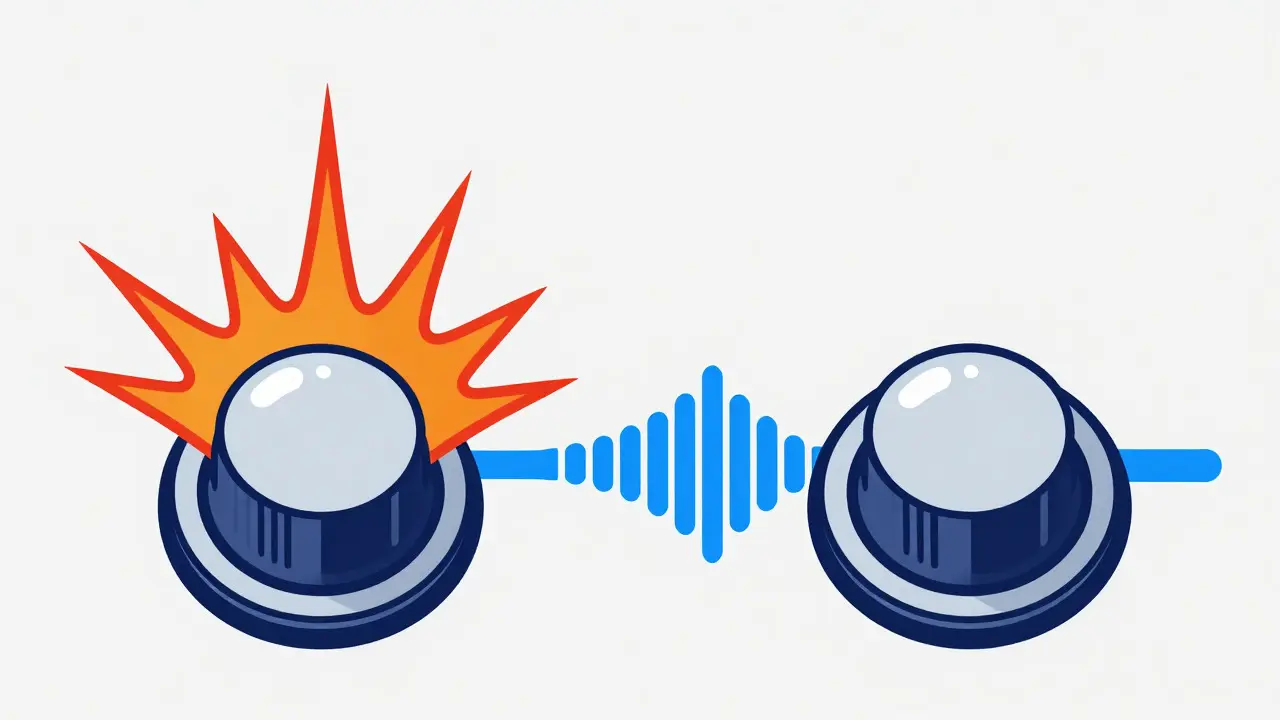
The term "ceiling effect" sounds technical, but the concept is straightforward. Imagine turning up the volume on a radio. With most opioids, if you keep turning the knob, the sound gets louder and louder until it distorts or breaks. With buprenorphine, the volume hits a maximum level. No matter how much more you turn the knob (increase the dose), the sound doesn’t get any louder.
In medical terms, this means that after a certain dose, increasing the amount of buprenorphine does not significantly increase the risk of stopping your breathing (respiratory depression). Clinical data indicates this plateau typically occurs around doses greater than 24 mg per day. According to the Substance Abuse and Mental Health Services Administration (SAMHSA), further increases above this threshold do not proportionally increase effects on respiratory or cardiovascular function.
This property makes buprenorphine distinct from full agonists. A study published in PMC (2021) clarified that while the ceiling effect strongly applies to respiratory depression, it may not apply equally to pain relief (analgesia). You might still feel increased pain relief at higher doses, but your breathing remains relatively stable compared to taking equivalent amounts of morphine or fentanyl.
| Feature | Buprenorphine (Partial Agonist) | Full Agonists (e.g., Oxycodone, Methadone) |
|---|---|---|
| Receptor Binding | High affinity, partial activation (40-60% max effect) | Variable affinity, full activation (100% max effect) |
| Respiratory Depression | Ceiling effect limits risk at higher doses (>24mg) | Linear increase; risk rises with every additional milligram |
| Euphoria Potential | Limited ceiling; less euphoric at therapeutic doses | No ceiling; euphoria increases linearly with dose |
| Overdose Risk | Lower when used alone; significant risk with CNS depressants | High risk at high doses due to uncontrolled respiratory suppression |
| Dosing Frequency | Once daily or every other day (long receptor half-life) | Often multiple times daily (shorter duration of action) |
Common Side Effects: What to Expect
While the ceiling effect protects your breathing, it doesn't eliminate all side effects. Because buprenorphine still interacts with opioid receptors, you will experience some typical opioid reactions, though often less intensely than with full agonists.
Here are the most frequently reported side effects based on clinical trial data and patient reports:
- Precipitated Withdrawal: This is the most feared initial side effect. If you take buprenorphine too soon after using a full opioid, it can rip those drugs off your receptors faster than they leave naturally. This causes sudden, intense withdrawal symptoms. Studies suggest this happens in about 25% of improper inductions. To avoid this, patients must wait until they are in moderate withdrawal before starting their first dose.
- Headache: Reported by approximately 18% of patients in Phase III trials. These are usually mild to moderate and tend to subside as your body adjusts to the medication over the first few weeks.
- Constipation: About 12% of users report constipation. While less severe than with methadone, it is a persistent issue for many. Increasing fiber intake and hydration is often necessary.
- Sedation and Dizziness: Some patients feel drowsy, especially during the first week of treatment. However, unlike full agonists, this sedation often diminishes quickly as tolerance builds.
- Nausea: Common during the induction phase but typically resolves within a few days.
A Reddit user in the r/stopopiates community noted, "I can take my 16mg and go to work without feeling like I'm on something, which methadone never allowed." This highlights a key benefit: functional recovery. Most patients find that side effects like sedation decrease significantly after the initial adjustment period.
The Safety Profile: Is Overdose Possible?
There is a dangerous myth that buprenorphine cannot cause an overdose because of the ceiling effect. This is incorrect. While the risk is lower than with full opioids, fatalities do occur.
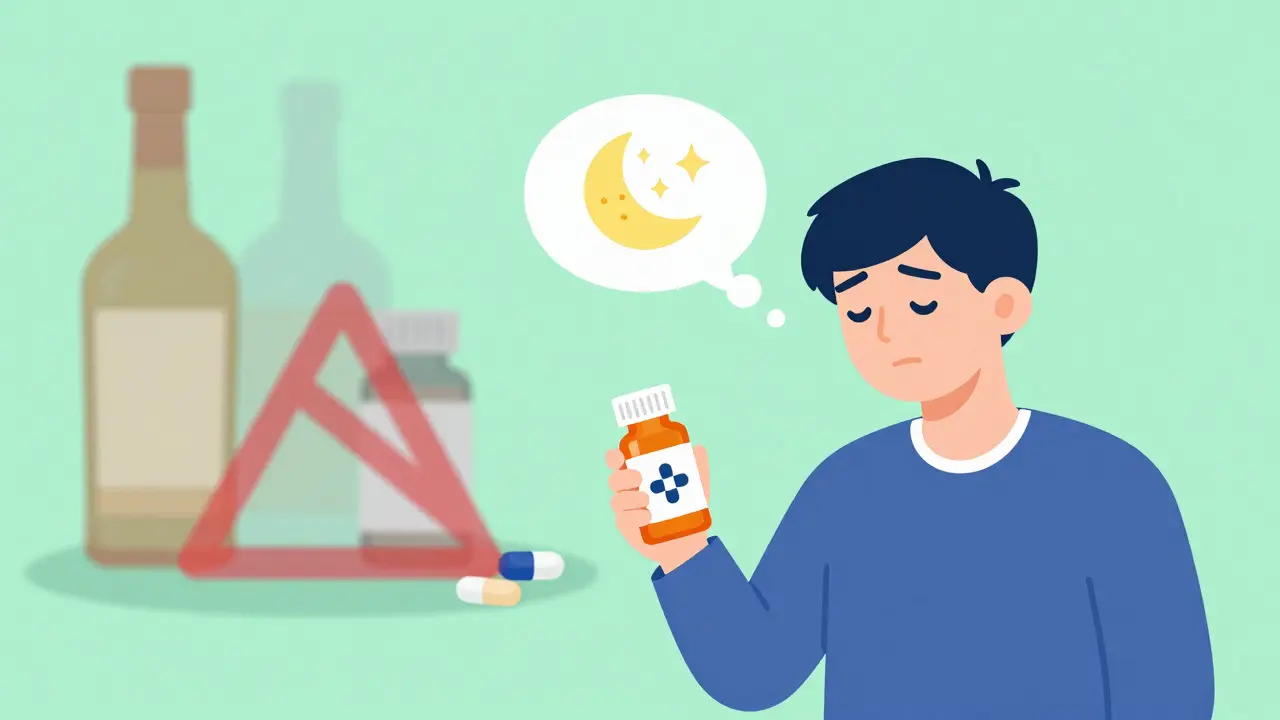
A 2022 study in the Journal of Addiction Medicine documented 18 fatal buprenorphine overdoses in the U.S. between 2019 and 2021. Crucially, all of these cases involved combinations with other central nervous system (CNS) depressants, such as benzodiazepines (Xanax, Valium), alcohol, or barbiturates.
Buprenorphine slows your breathing slightly. Benzodiazepines also slow your breathing. When combined, they create a synergistic effect that bypasses the ceiling protection. The result can be fatal respiratory arrest. Therefore, the safety profile of buprenorphine depends heavily on avoiding polysubstance use.
Additionally, in children who accidentally ingest buprenorphine, the ceiling effect may not offer the same protection. Their smaller body mass and different metabolic rates can lead to severe respiratory depression even at low doses. Always store medication out of reach of children.

Buprenorphine vs. Methadone: Making the Choice
When treating opioid use disorder, the two main medications are buprenorphine and methadone. Both are effective, but they serve different needs.
Methadone is a full opioid agonist. It requires daily visits to a specialized clinic (opioid treatment program) in many regions, although home dosing is available for stable patients. It has no ceiling effect, meaning the risk of respiratory depression increases linearly with dose. However, for patients with severe physical dependence or chronic pain, methadone may provide more robust symptom control because it fully activates the receptors.
Buprenorphine offers more flexibility. Physicians can prescribe it in office-based settings, allowing for once-daily or even weekly dosing (with formulations like Sublocade). It is generally easier to taper off buprenorphine than methadone due to its long half-life and partial agonist nature. However, some patients with very high tolerance may find that buprenorphine's ceiling prevents them from achieving complete comfort, leading to lingering cravings or withdrawal symptoms despite high doses (up to 24mg).
How to Minimize Side Effects and Maximize Safety
To get the best results from buprenorphine treatment, follow these practical steps:
- Time Your Induction Correctly: Do not start buprenorphine until you are in clear withdrawal. Use the Clinical Opiate Withdrawal Scale (COWS) if possible. Starting too early guarantees precipitated withdrawal, which can derail treatment immediately.
- Avoid CNS Depressants: Be honest with your doctor about alcohol or benzodiazepine use. Combining these with buprenorphine is the leading cause of accidental overdose deaths among patients on maintenance therapy.
- Manage Constipation Proactively: Don't wait for it to become painful. Start a stool softener or laxative regimen as soon as you begin treatment. Increase water and fiber intake.
- Stick to Prescribed Doses: Taking more than prescribed rarely provides extra relief due to the ceiling effect but can increase side effects like nausea or hormonal changes (low testosterone in men, menstrual irregularities in women).
- Consider Long-Acting Formulations: If daily dosing is difficult, ask your provider about Sublocade (monthly injection). Clinical trials show 49% of patients achieved 26 weeks of continuous abstinence with this method, compared to 35% with daily sublingual films.
Understanding the Mechanism: Partial Agonism Explained
To truly understand why buprenorphine works, you need to look at the mu-opioid receptors (MOR) in your brain. Buprenorphine binds to these receptors with 25 to 50 times greater affinity than morphine. This means it grabs onto the receptor tightly and holds on.
However, once attached, it only opens the door partially-achieving about 40-60% of the maximal effect that a full agonist would. This partial activation is enough to stop cravings and withdrawal symptoms but not enough to produce the intense euphoria associated with heroin or prescription painkillers.
Because it binds so tightly, buprenorphine blocks other opioids from attaching to the receptor. If a patient uses heroin while on buprenorphine, they won't feel the high because the buprenorphine is already occupying the seats. This blockade effect is dose-dependent; a 16-mg dose provides a stronger blockade than an 8-mg dose.
The slow dissociation rate (half-life of receptor binding is 6-8 hours) allows for once-daily dosing. This stability helps maintain consistent blood levels, reducing the peaks and valleys that characterize illicit opioid use and contribute to compulsive behavior.
Long-Term Considerations and Hormonal Health
One often-overlooked aspect of long-term buprenorphine use is its impact on hormones. Opioids, including partial agonists, can suppress the hypothalamic-pituitary-gonadal axis. This leads to lower testosterone levels in men and estrogen/progesterone imbalances in women.
Symptoms include fatigue, decreased libido, depression, and bone density loss over time. If you experience persistent low energy or mood changes despite being stable on buprenorphine, ask your doctor to check your hormone levels. Treating hypogonadism can significantly improve quality of life and motivation during recovery.
Regular dental care is also important. Sublingual films can sometimes cause tooth decay if oral hygiene is neglected, though this is less common than with methadone syrups which are often acidic. Rinse your mouth after placing the film under your tongue.
Can you overdose on buprenorphine alone?
It is rare but possible, especially in children or individuals with compromised health. In adults, the ceiling effect significantly reduces the risk of fatal respiratory depression when buprenorphine is taken alone. However, combining it with alcohol, benzodiazepines, or other sedatives drastically increases the risk of fatal overdose.
Why did I get sick when I started buprenorphine?
You likely experienced precipitated withdrawal. This happens when buprenorphine is taken while full opioids are still active in your system. Buprenorphine has a higher affinity for opioid receptors, so it kicks the full opioids off, causing immediate and intense withdrawal symptoms. Waiting until you are in moderate withdrawal before your first dose prevents this.
Is buprenorphine better than methadone?
Neither is universally "better." Buprenorphine has a safer overdose profile and allows for office-based prescribing, making it more accessible. Methadone may be more effective for patients with very high tolerance or co-occurring chronic pain because it has no ceiling effect. The best choice depends on individual medical history, lifestyle, and severity of dependence.
How long does it take for buprenorphine side effects to go away?
Most acute side effects like nausea, headache, and sedation peak during the first week of treatment and subside within 2 to 4 weeks as your body develops tolerance. Constipation may persist longer and often requires ongoing management with diet or laxatives.
Does the ceiling effect apply to pain relief?
Not necessarily. While the ceiling effect strictly limits respiratory depression, analgesic (pain-relieving) effects may continue to increase with higher doses up to a point. This is why some patients require doses up to 24 mg for adequate pain control without experiencing proportional increases in breathing risks.