
Every year, over 23,000 people end up in the emergency room because of unexpected reactions between dietary supplements and their prescription medications. Many of these cases are preventable. The problem isn’t that supplements are inherently dangerous - it’s that most people don’t know what to ask before adding one to their routine. If you’re taking anything from blood pressure pills to antidepressants, thyroid meds, or chemotherapy, your supplement could be quietly undermining your treatment - or making you sick.
What Are You Really Taking?
The supplement industry in the U.S. is worth over $50 billion. There are more than 85,000 products on the market. But unlike prescription drugs, supplements don’t need to prove they’re safe or effective before they’re sold. The FDA can’t require testing. Labels can be wrong. One study found that 70% of supplement labels don’t accurately list how much of each ingredient they contain. That means you might think you’re taking 200 mg of something, but you’re actually getting 400 mg - or none at all. This unpredictability is what makes interactions so dangerous.St. John’s Wort: The Most Dangerous Supplement You’ve Never Heard Of
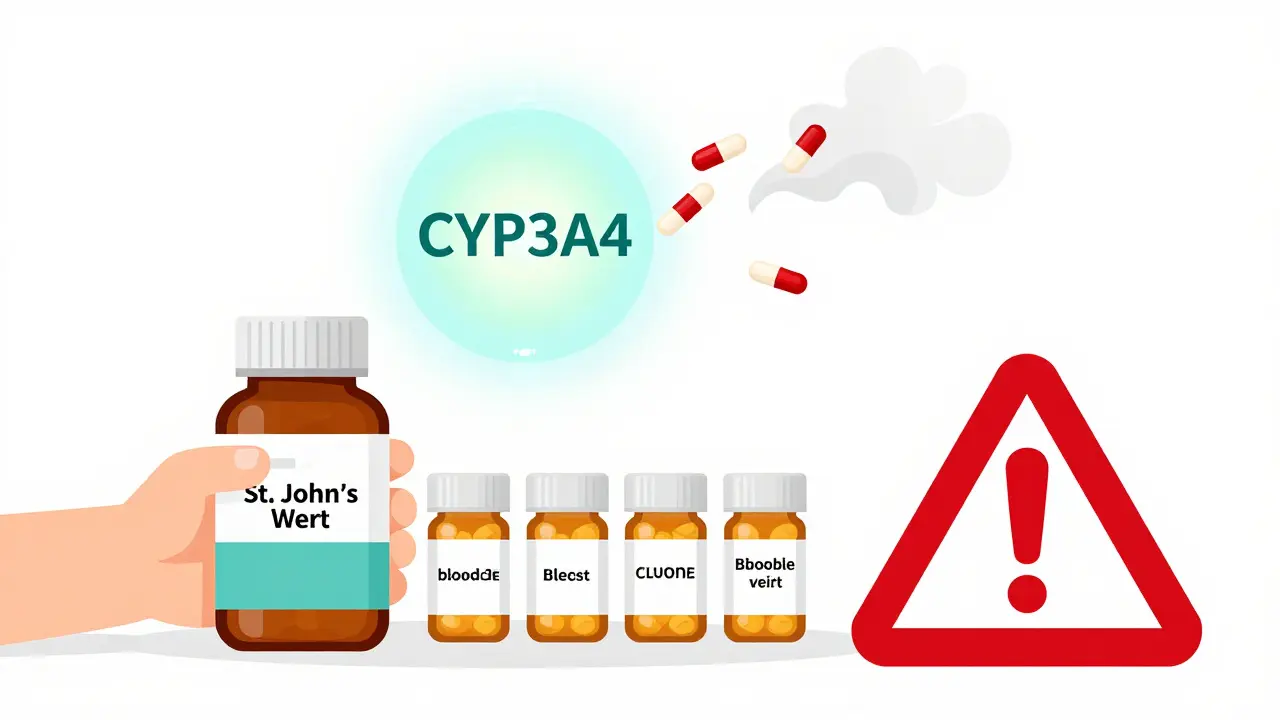
If you take just one supplement seriously, make it St. John’s wort. It’s not just a herbal mood booster. It’s a chemical wrench thrown into your body’s drug-processing system. St. John’s wort turns on a key enzyme called CYP3A4. This enzyme is responsible for breaking down over half of all prescription medications. When it’s overworked, your drugs get cleared from your body too fast. The result? Your medication stops working. - Organ transplant patients on cyclosporine saw their drug levels drop by 50-60% after taking St. John’s wort. That’s a direct path to organ rejection. - People on HIV meds like indinavir lost 57% of their drug concentration. Viral rebound followed. - Oral contraceptives became up to 50% less effective. Thousands of unplanned pregnancies have been traced to this interaction. Dr. Paul Offit, a leading expert in infectious diseases, calls it “the most dangerous over-the-counter supplement because it interacts with more prescription drugs than any other.” And yet, it’s still sold next to gummy vitamins in grocery stores.Other High-Risk Supplements You Should Avoid
St. John’s wort isn’t alone. Goldenseal, another popular herbal product, blocks the same enzyme and can spike drug levels to toxic levels. It’s especially risky if you’re on statins, antidepressants, or blood thinners. Ginkgo biloba is marketed for memory and circulation. But it also thins the blood. When combined with warfarin (Coumadin), it can push your INR - a key blood-clotting measurement - into dangerous territory. One study showed that 15% of people on warfarin who took ginkgo had INR levels rise above 4.0. At that level, you’re at high risk of internal bleeding. In fact, 73% of patients on warfarin who used ginkgo needed dose adjustments - compared to just 27% of those who didn’t. Vitamin E, often taken as an antioxidant, can be just as risky. At doses above 400 IU per day, it boosts the blood-thinning effect of warfarin by 25-30%. That’s not a small increase. That’s enough to cause a stroke or hemorrhage.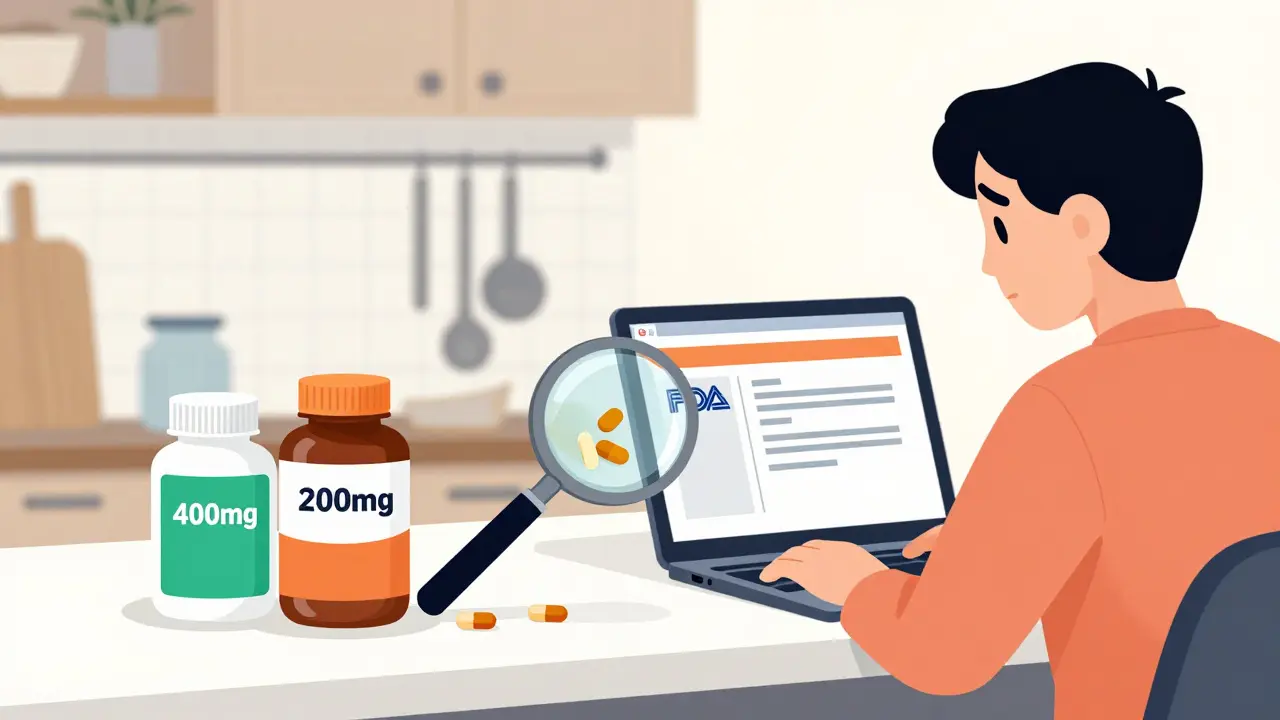
What About the “Safe” Supplements?
Some supplements are labeled as low-risk: milk thistle, American ginseng, cranberry, saw palmetto. But “low-risk” doesn’t mean “no risk.” Milk thistle can interfere with liver enzymes that process chemotherapy drugs. American ginseng may lower blood sugar - which can be dangerous if you’re on metformin or insulin. Even cranberry juice, often thought of as harmless, can amplify the effect of warfarin. The real issue isn’t the supplement itself. It’s whether it’s been studied with your specific medication. Only 15% of supplements have any formal interaction data. The rest? You’re guessing.Seven Critical Questions to Ask Before Taking Any Supplement
Don’t rely on your pharmacist to catch everything. Most doctors spend less than two minutes talking about supplements during a 15-minute visit. You need to be your own advocate. Here’s what to ask:- Does this supplement affect how my body processes my medication? Look for mentions of CYP3A4, CYP2D6, or P-glycoprotein. St. John’s wort affects all three. If you don’t know what these are, ask your pharmacist to explain.
- Could this make my medication stronger or weaker? If your drug is meant to keep your blood pressure down, but the supplement makes it less effective, your pressure could spike. If it makes your drug stronger, you could overdose.
- Has this supplement been studied with my exact medication? Just because it’s “natural” doesn’t mean it’s safe with your pills. Most combinations haven’t been tested.
- What symptoms should I watch for? Serotonin syndrome (from mixing St. John’s wort with SSRIs) includes confusion, fast heartbeat, muscle stiffness, and fever. Bleeding signs include unusual bruising, nosebleeds, or dark stools.
- Do I need to get tested? If you’re on warfarin, check your INR. If you’re on HIV meds, monitor viral load. If you’re on transplant drugs, track blood levels. These aren’t optional.
- Is there a safer alternative? Asian ginseng has more interactions than American ginseng. Vitamin K2 is safer than vitamin E if you’re on blood thinners. Ask for options.
- Can I stop this supplement for now? Sometimes, the safest choice is to pause it until you’ve talked to your doctor. You don’t need to take it forever.
Why Doctors Miss This
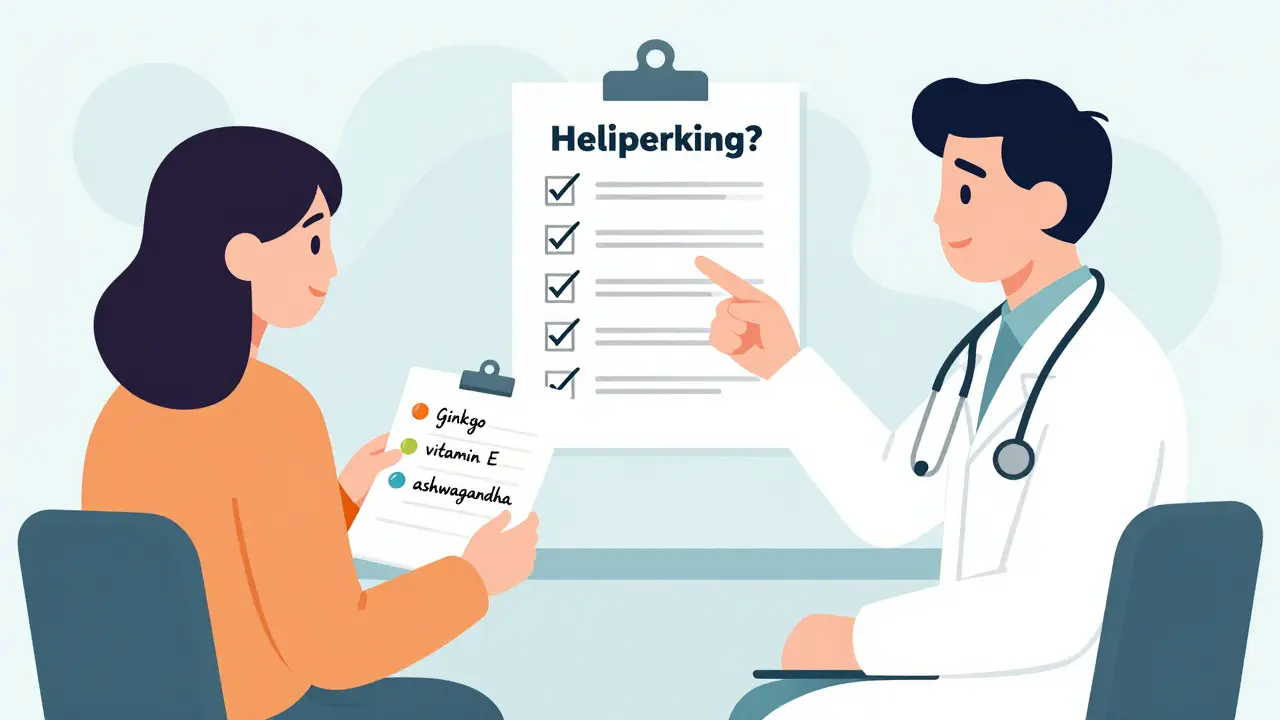
Most doctors aren’t trained in supplement interactions. Only 32% of primary care physicians routinely document supplement use in medical records. Pharmacists are better - 89% now screen for interactions during medication reviews. But if you don’t tell your doctor you’re taking ashwagandha or turmeric, they won’t know to ask. And here’s the kicker: 68% of supplement users can’t identify even one high-risk interaction. A University of Illinois study found most people think “natural” means “safe.” That’s the biggest myth in health today.What’s Changing - And What’s Not
The FDA launched the Dietary Supplement Ingredient Database (DSID-6) in 2023 to track what’s actually in products. The NIH expanded its LiverTox database to include supplement-induced liver damage. Epic Systems, the largest electronic health record provider, now requires doctors to document supplement use starting January 2024. That’s progress. But the system is still broken. The Dietary Supplement Health and Education Act of 1994 still governs the industry. Supplements are treated like food, not medicine. There’s no pre-market safety review. No mandatory reporting of side effects. No standard for purity. Dr. Pieter Cohen from Harvard calls it “an ongoing public health experiment where consumers are the test subjects.” Meanwhile, the supplement industry insists serious interactions are “exceedingly rare.” The truth? We don’t know - because we’re not tracking it well enough.What You Can Do Today
1. Make a list. Write down every supplement, herb, vitamin, and tea you take - even if you think it’s harmless. 2. Bring it to your next appointment. Don’t wait to be asked. Say: “I’m taking these. Can you check if they’re safe with my meds?” 3. Use trusted sources. The National Institutes of Health’s Office of Dietary Supplements has free, science-backed info. Avoid blogs, Instagram influencers, and supplement company websites. 4. Stop if you feel off. Dizziness, nausea, unusual bruising, heart palpitations, or confusion after starting a supplement? Stop it. Call your doctor. 5. Remember: Natural doesn’t mean safe. Poison ivy is natural. Cyanide is natural. Your body doesn’t care where something comes from - it only cares what it does.If you’re on immunosuppressants, anticoagulants, chemotherapy, or birth control - skip the guesswork. Talk to your pharmacist. Get your medication reviewed. Your life might depend on it.

Mantooth Lehto
March 10, 2026 AT 03:42Melba Miller
March 11, 2026 AT 03:22Nicholas Gama
March 12, 2026 AT 17:21Mary Beth Brook
March 14, 2026 AT 07:40Neeti Rustagi
March 15, 2026 AT 06:51Dan Mayer
March 16, 2026 AT 19:46Janelle Pearl
March 17, 2026 AT 07:42Ray Foret Jr.
March 19, 2026 AT 06:55Samantha Fierro
March 20, 2026 AT 17:13