
Interactive OTC Drug Label Simulator
How to Use
This simulator mimics the standardized layout of an FDA-compliant OTC Drug Facts label. Select a scenario below to load a specific medication profile.
Select a medication above to view its Drug Facts label.
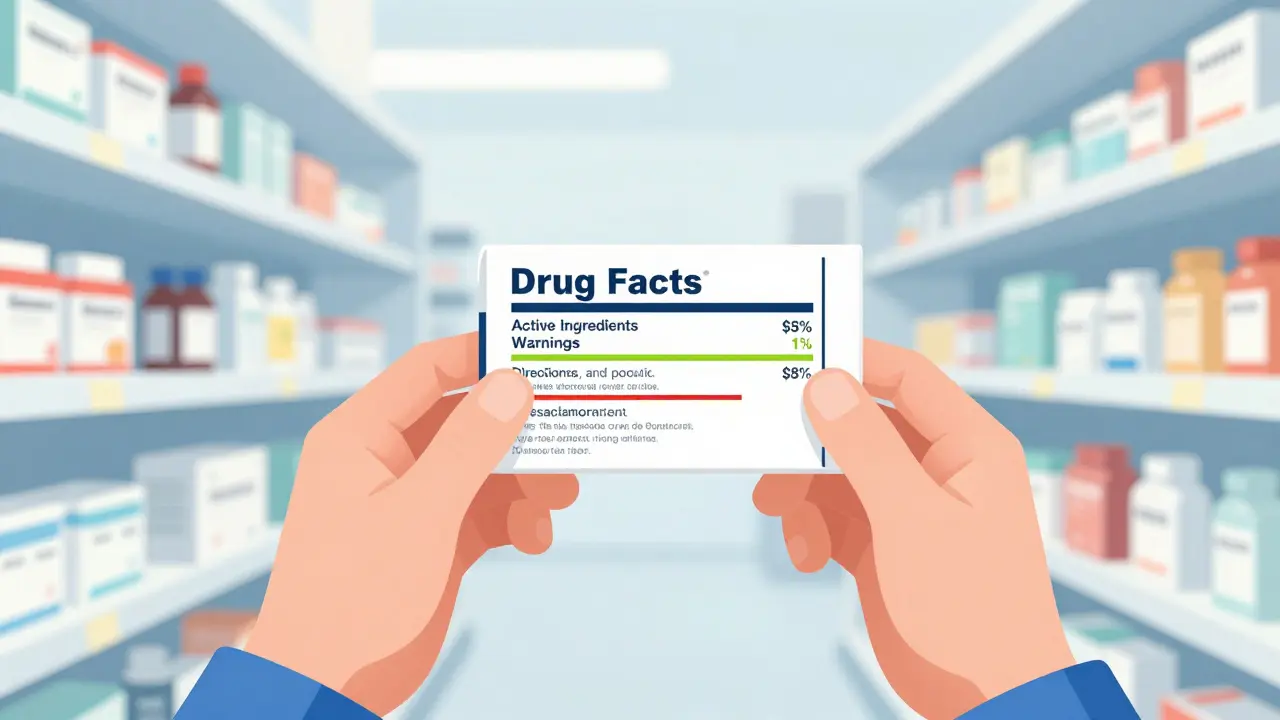
Most of us grab a box of pain relievers or cold medicine without giving the back panel a second thought. We scan for the brand name, check the price, and toss it in the cart. But that small block of text on the back isn't just filler-it’s a safety manual designed by the Food and Drug Administration (FDA). Understanding OTC drug labels can be the difference between getting relief and ending up in the emergency room.
The standardized "Drug Facts" label was introduced to cut through the noise. Before this system, every company formatted their warnings differently, leading to confusion and errors. Today, whether you’re buying aspirin from a major pharmacy chain or hand sanitizer from a grocery store, the layout is identical. This consistency saves time and, more importantly, lives. In fact, data from the American Association of Poison Control Centers shows a significant drop in medication errors since these rules were fully implemented. Yet, millions of cases of improper use still happen every year. Why? Because we aren’t reading the right parts.
Decoding the Standardized Layout
You don’t need a medical degree to read these labels, but you do need to know where to look. The FDA mandates a strict order for information. If you see a product that doesn’t follow this structure, it might not be regulated as a drug, or it could be non-compliant. Here is the exact sequence you will find on compliant packaging:
- Title: It must say "Drug Facts" or "Drug Facts (continued)" if the text wraps around.
- Active Ingredient(s): The chemical names and amounts per dose.
- Purpose: What class of drug this is (e.g., analgesic, antihistamine).
- Uses: Specific symptoms it treats.
- Warnings: Risks, interactions, and when to stop.
- Directions: Dosage instructions by age or weight.
- Other Information: Storage tips and sodium content.
- Inactive Ingredients: Fillers, dyes, and binders.
This rigid structure means that once you learn how to read one label, you can read them all. The active ingredients are always at the top, followed immediately by why they are there. This prevents manufacturers from burying critical info under marketing fluff.
Active Ingredients: The Real Story
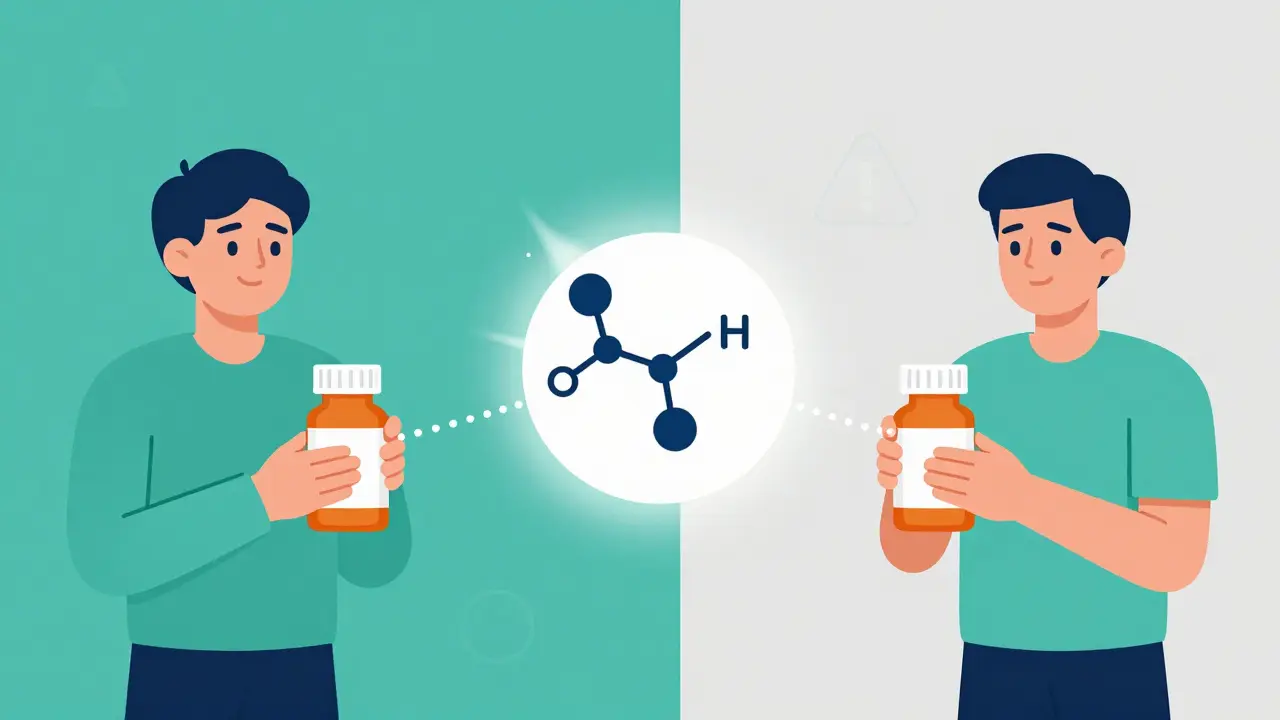
This is the most critical section for avoiding accidental overdose. Many people make the mistake of looking only at the brand name. You might take Tylenol for a headache, then buy DayQuil for a cold, thinking they are different medicines. They are not. Both contain acetaminophen. Taking both can lead to liver damage because you’ve exceeded the safe daily limit of the active ingredient.
Always check the "Active Ingredient" line. If a product has multiple active ingredients, they are listed alphabetically. Pay attention to the amount per dosage unit. For example, some tablets contain 325 mg of acetaminophen, while others have 500 mg. Doubling your pill count doesn’t double the safety; it doubles the risk. If you are taking other medications, cross-reference the active ingredient here with what your doctor prescribed. Duplication is the number one cause of OTC-related hospital visits.
Warnings and Red Boxes
If any part of the label screams for attention, it’s the Warnings section. The FDA requires specific risks to be highlighted in red boxes. These aren’t suggestions; they are hard stops. Common boxed warnings include alerts for liver damage with acetaminophen, stomach bleeding with NSAIDs like ibuprofen, and asthma triggers with certain aspirins.
Look for three key phrases in this section:
- "When using this product": Lists side effects to expect and behaviors to avoid, like drinking alcohol or operating heavy machinery.
- "Stop using and ask a doctor if": Indicates symptoms that mean the drug isn’t working or is causing harm, such as a rash or worsening pain.
- "Keep out of reach of children": A mandatory warning that applies to almost all oral medications. Child-resistant caps help, but storage matters too.
Ignoring these warnings accounts for nearly half of all reported medication errors involving OTC products. If you have high blood pressure, diabetes, or are pregnant, this section is your roadmap for what to avoid. Don’t guess. Read the contraindications.
Directions: Precision Matters
The Directions section tells you exactly how much to take and how often. It is broken down by age groups for pediatric use and standard adult dosing. A common error here involves liquid medications. Using a kitchen teaspoon instead of the provided measuring cup can lead to massive dosing errors. Kitchen spoons vary wildly in size, whereas the included device is calibrated for the specific concentration of the drug.
Pay close attention to the frequency. "Every 4 to 6 hours" does not mean "every 4 hours." It means wait at least 4 hours, and no more than 6. Taking doses closer together builds up the drug in your bloodstream faster than your body can process it. For children, always weigh them if possible, as age-based charts are estimates. When in doubt, call a pharmacist. They can tell you the exact milliliter amount based on your child’s weight.
Inactive Ingredients: Allergy Alerts
We often skip the bottom of the label, but the "Inactive Ingredients" list is vital for allergy sufferers. These are the fillers, preservatives, and colorings that hold the pill together or give it flavor. While they don’t treat your condition, they can trigger severe reactions.
If you are allergic to sulfa drugs, gluten, or specific dyes like tartrazine (yellow #5), you must scan this list. Manufacturers are required to list all non-therapeutic components. A simple headache pill might contain corn starch or lactose, which could be problematic for those with sensitivities. Checking this section takes five seconds but can prevent anaphylaxis or gastrointestinal distress.
| Label Section | What It Contains | Why It Matters |
|---|---|---|
| Active Ingredients | Chemical names and strength (mg/mL) | Prevents accidental overdose from duplicate meds |
| Warnings | Risks, interactions, red-boxed alerts | Identifies who should NOT take the drug |
| Directions | Dosage by age/weight and timing | Ensures therapeutic effect without toxicity |
| Inactive Ingredients | Fillers, dyes, preservatives | Critical for allergy management |

Digital Shifts and Future Changes
The way we access drug information is evolving. With the rise of e-commerce, the FDA has issued guidance on digital labeling. You might soon see QR codes on physical boxes that link to detailed digital Drug Facts pages. This allows for more comprehensive information without cluttering small packages. However, the core printed label remains mandatory for immediate safety reference.
There is also a push for better health literacy. The current English-only format poses challenges for millions of Americans with limited English proficiency. While official federal labels remain in English, many manufacturers now provide translated inserts or multilingual websites. Always verify translations against the original FDA-approved text if you are unsure. Misinterpreting a dosage instruction due to translation errors can be dangerous.
Practical Checklist for Safe Use
To make this easier, here is a quick routine to follow before taking any OTC medication:
- Check the Active Ingredient: Compare it with other meds you are taking today.
- Scan the Warnings: Do you have any conditions listed? Are you taking interacting drugs?
- Verify the Dose: Use the provided measuring tool. Check the time of your last dose.
- Review Inactive Ingredients: Any allergies to fillers or dyes?
- Store Properly: Follow the "Other Information" section for temperature and humidity needs.
Taking five minutes to read the label properly is the best health insurance you can buy. It empowers you to use these powerful tools safely and effectively. Don’t let convenience override caution. Your body processes every molecule you put into it-make sure it’s the right one.
What is the difference between active and inactive ingredients?
Active ingredients are the substances that actually treat your symptoms, like ibuprofen for pain. Inactive ingredients are the fillers, binders, and colors that give the pill its shape and stability but have no therapeutic effect. You must check active ingredients to avoid overdose and inactive ingredients to avoid allergic reactions.
Do I need to read the label every time I take a medication?
Yes. Formulations can change, and you might pick up a different brand or combination product by mistake. Reading the label ensures you are aware of any new warnings or changes in dosage instructions. It also helps you catch potential interactions with other medications you may have started taking.
Why are some warnings in red boxes?
Red boxes highlight serious, potentially life-threatening risks. These are mandated by the FDA for specific dangers, such as liver failure from acetaminophen or bleeding risks from NSAIDs. They are designed to grab your attention immediately so you do not miss critical safety information.
Can I use a kitchen spoon to measure liquid medicine?
No. Kitchen teaspoons vary significantly in volume, which can lead to under-dosing or dangerous overdoses. Always use the measuring cup, dropper, or syringe provided with the medication. These devices are calibrated to deliver the exact amount specified in the directions.
What does "Drug Facts (continued)" mean?
It means the label information continues on another panel of the package. This happens when the box is small and cannot fit all the required text on one side. You must follow the arrow or instruction to find the rest of the warnings and directions to ensure you have all the safety information.

Isis Fleming
July 8, 2026 AT 13:56It is imperative that individuals adhere strictly to the FDA-mandated labeling protocols outlined in this comprehensive guide. The standardization of the Drug Facts panel serves as a critical safeguard against iatrogenic harm, particularly regarding acetaminophen toxicity which remains a leading cause of acute liver failure in the United States. One must scrutinize the active ingredient list with meticulous attention to detail, ensuring that no therapeutic duplication occurs when combining multi-symptom cold remedies with standalone analgesics. Furthermore, the distinction between active and inactive components cannot be overstated for those with specific pharmacological sensitivities or allergic predispositions. It is my professional recommendation that every consumer treats the Warnings section not merely as legal disclaimers but as absolute contraindications that require immediate cessation of use if applicable. Precision in dosage measurement, utilizing only the calibrated devices provided by the manufacturer, is essential to maintain therapeutic efficacy without crossing into toxic thresholds.
Ben Murphy
July 9, 2026 AT 12:14The epistemological deficit among the general populace regarding pharmaceutical literacy is truly alarming. Most consumers exhibit a profound negligence towards the semantic structures embedded within regulatory compliance documents, treating them as mere bureaucratic formalities rather than vital survival mechanisms. This collective ignorance stems from a societal shift away from rigorous self-education and an over-reliance on algorithmic convenience. The moral failing here is twofold: manufacturers who obfuscate clarity through marketing fluff, and consumers who willfully ignore the explicit warnings designed to preserve their physiological integrity. To disregard the red-boxed alerts is to engage in a form of self-harm disguised as autonomy. We must cultivate a culture of disciplined scrutiny where the individual accepts full responsibility for their biochemical inputs. Ignorance of the label is no excuse for hepatic distress.
Lorena Suarez
July 10, 2026 AT 17:48hey guys just wanted to say this is super helpful info because i always get confused looking at all those tiny letters on the back of boxes lol. its kinda scary how easy it is to mess up dosages especially with kids meds so thanks for breaking it down nicely. im gonna try harder to actually read the stuff next time instead of just grabbing whatever looks cool. hope everyone stays safe out there ❤️
Fred Stone
July 12, 2026 AT 03:22yo i used to mix tylenol and nyquil thinking they were different things until i ended up feeling like crap for days. turns out both had acetaminophen and i basically doubled my dose without realizing it. now i always check the active ingredients first before buying anything off the shelf. saves you from a lot of trouble trust me. also never use a kitchen spoon for liquid meds its a recipe for disaster.
Brett Aungst
July 13, 2026 AT 22:25I work in retail pharmacy and I see this mistake constantly. People buy DayQuil for a headache and then take extra Tylenol because they think it's 'just vitamin C' or something harmless. They don't realize the acetaminophen content stacks up quickly. The biggest issue isn't usually the single dose, it's the cumulative effect over 24 hours. If you're taking multiple OTC products, write down the milligram amounts of each active ingredient. If the total exceeds the maximum daily limit listed on the bottle, stop immediately. Pharmacists are here to help, so don't hesitate to ask us to review your regimen if you're unsure about interactions.
Vinay Bairagi
July 14, 2026 AT 05:11In India we have similar regulations but the enforcement is lacking compared to US standards. However the core principle of reading labels remains universal regardless of geography. Many people in developing nations still rely on verbal prescriptions from local chemists who may not always explain the risks thoroughly. This post highlights a critical gap in health education globally. While Western systems emphasize individual responsibility through detailed labeling, other cultures depend more on community knowledge transfer. Both approaches have flaws. The key takeaway is that patients must become informed participants in their own healthcare journey. Blind trust in any system leads to preventable errors.
Blythe Ward
July 14, 2026 AT 11:33oh please tell me you’re not one of those people who uses a random teaspoon from your drawer 🙄 it’s literally basic chemistry 101 that volume measurements vary wildly. if you can’t be bothered to use the included syringe you probably shouldn’t be handling medication at all. also checking inactive ingredients is crucial for anyone with even minor allergies because fillers like lactose or gluten are everywhere. stop being lazy and read the fine print. your liver will thank you later 💊✨
Casey Eickhoff
July 15, 2026 AT 04:06One might ponder the philosophical implications of standardized labeling; it represents a contract between the state and the citizen, wherein clarity is exchanged for compliance. Yet, does true understanding occur when we merely scan for keywords? Perhaps we are conditioned to skim rather than engage deeply with textual information. The red box serves as a visual anchor, a modern-day warning sign akin to ancient tribal markers. However, the burden of interpretation ultimately rests upon the individual reader. We must strive for a higher level of cognitive engagement with these texts, recognizing that each word carries weight. To ignore the nuances is to abdicate our agency in matters of personal well-being.
Ellen Zeman
July 16, 2026 AT 11:48omg yes!! i totally agree with everything said here especially about the inactive ingredients part because i didnt know some pills have gluten in them until recently. its crazy how many hidden allergens are out there right? lets spread the word and help each other stay healthy and informed. nobody wants to end up in the er because they misread a label so lets do better together! 🌟💪
Mark Smalley
July 16, 2026 AT 19:52I really appreciate this breakdown, it’s incredibly thorough and practical. As someone who deals with chronic pain, I’m often juggling multiple medications, and keeping track of active ingredients is a daily necessity for me. The point about digital shifts and QR codes is fascinating; I’d love to see more integration of technology to make this information more accessible, perhaps with audio descriptions for visually impaired users. Until then, sticking to the printed label is our best defense. Thanks for sharing this vital information with the community!