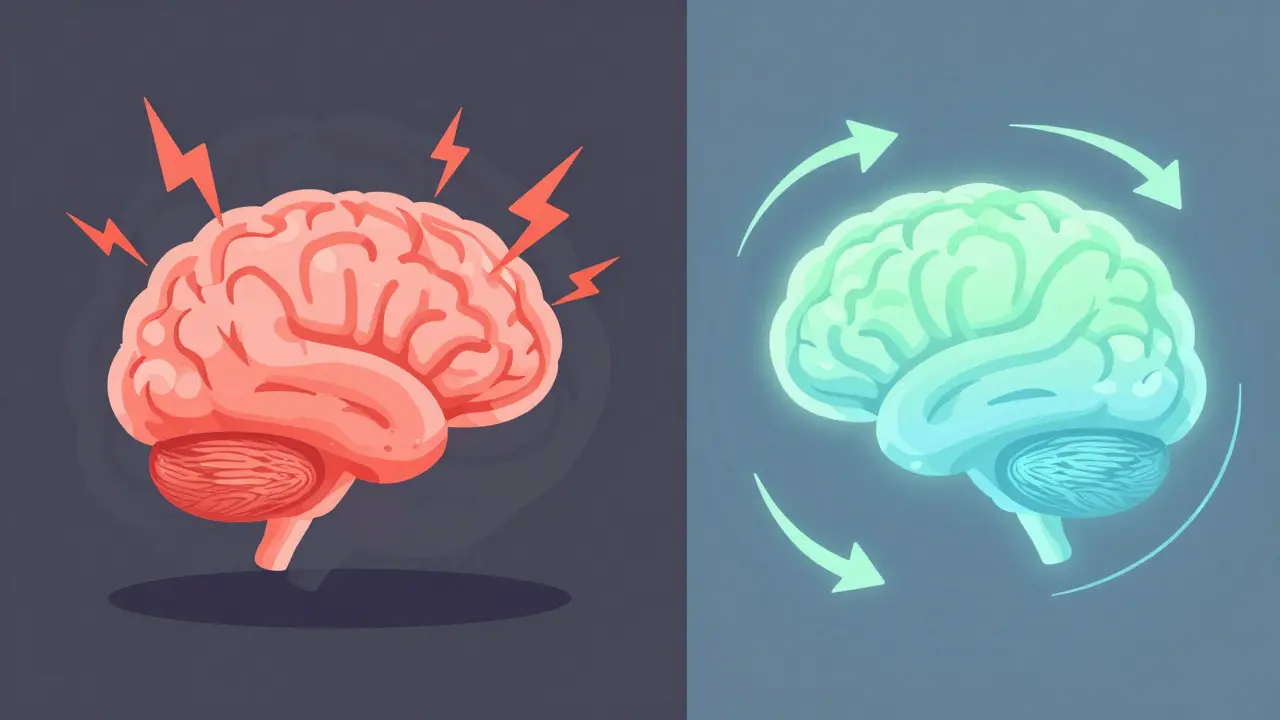
Anxiety doesn't just feel bad; it physically changes your brain. For years, the go-to solution was medication or traditional talk therapy. But a growing body of clinical evidence suggests that mindfulness is an evidence-based meditation practice cultivating nonjudgmental awareness of present-moment experiences to reduce anxiety symptoms might be just as effective, without the side effects. You don't need to become a monk to benefit from this. In fact, major medical institutions are now listing mindfulness-based interventions as first-line treatments for anxiety disorders.
If you're skeptical about "just breathing" solving complex mental health issues, you're not alone. The science behind why this works is robust, involving measurable changes in heart rate variability, cortisol levels, and even gray matter density in the brain. This article breaks down exactly what the clinical data says, which techniques actually work, and how to start practicing effectively.
What the Clinical Data Actually Says
The idea that mindfulness helps with anxiety isn't just wellness fluff. It’s backed by rigorous trials. A landmark study published in JAMA Psychiatry in 2022 (the TAME trial) compared Mindfulness-Based Stress Reduction (MBSR) directly against escitalopram, a common SSRI antidepressant. The results were striking: MBSR was found to be non-inferior to the medication in reducing anxiety symptoms. Specifically, 48.6% of participants in the mindfulness group achieved remission, compared to 50.9% in the medication group.
Here is where the distinction matters. While the efficacy rates were similar, the side effect profiles were vastly different. In that same trial, 82.3% of people taking escitalopram experienced adverse effects like nausea, insomnia, or sexual dysfunction. Those in the mindfulness group reported significantly fewer physical side effects. This makes mindfulness a compelling alternative, especially for those who struggle to tolerate medication.
A 2024 meta-analysis in Frontiers in Psychology reinforced these findings, showing an aggregate effect size of -0.716 for anxiety reduction across multiple studies. To put that in perspective, that’s considered a moderate to large effect in psychological research. However, researchers note high heterogeneity in outcomes, meaning individual results can vary based on how consistently you practice and which specific technique matches your needs.
| Metric | Mindfulness (MBSR) | Medication (Escitalopram) |
|---|---|---|
| Remission Rate | 48.6% | 50.9% |
| Side Effect Rate | Low (primarily initial frustration) | High (82.3%) |
| Time to Initial Relief | 4-8 weeks | 2-4 weeks |
| Long-Term Relapse Prevention | Superior (68.4% reduction at 12 months) | Moderate |
Core Techniques That Change Your Physiology
Mindfulness isn't a single action; it's a toolkit. Different techniques target different physiological pathways. Understanding which one to use when can make a huge difference in managing acute anxiety versus chronic worry.
1. The Body Scan
This is the cornerstone of most programs. It involves mentally scanning your body from head to toe, noticing sensations without judgment. A 2023 study (PMC11519409) showed that regular body scan practice increases High-Frequency (HF) power in heart rate variability by 32.7%. HF power is a marker of parasympathetic nervous system activity-the "rest and digest" mode that counteracts the "fight or flight" response. If you feel tension in your shoulders or jaw, the body scan helps you release it consciously.
2. Diaphragmatic Breathing
Anxiety often leads to shallow, rapid chest breathing. Diaphragmatic breathing slows your respiration to about 5.5 breaths per minute. This specific rhythm triggers the vagus nerve, immediately activating the parasympathetic system. It’s the fastest way to lower your heart rate during a panic spike. Unlike other techniques, this can be done anywhere, anytime, without anyone knowing.
3. Grounding Exercises
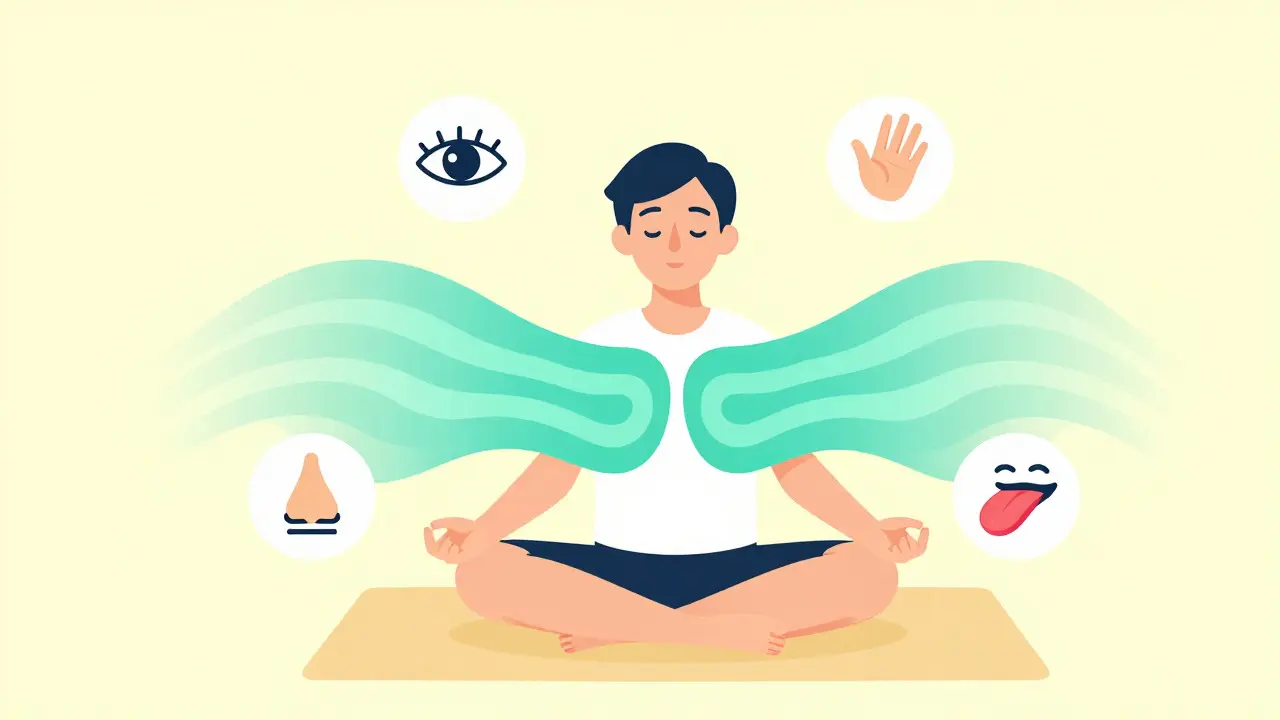
When your mind races into the future (worrying about what might happen), grounding pulls you back to the present. A simple method is the "5-4-3-2-1" technique: identify five things you see, four you can touch, three you hear, two you smell, and one you taste. A 2022 trial in the Journal of Clinical Psychology found that grounding exercises reduced cortisol levels by 27.3%. Cortisol is the primary stress hormone, so lowering it has direct benefits for sleep and immune function.
How Mindfulness Rewires the Brain
You might wonder if these practices create lasting change or just temporary relief. Neuroimaging studies suggest the former. Research cited by Harvard Health Publishing indicates that just eight weeks of regular mindfulness practice can increase gray matter density in the hippocampus by 4.1%. The hippocampus is crucial for learning and memory, and it tends to shrink under chronic stress.
Simultaneously, mindfulness practice decreases amygdala volume by 6.3%. The amygdala is the brain’s fear center, responsible for triggering the fight-or-flight response. A smaller, less reactive amygdala means you’re less likely to overreact to stressful stimuli. As Dr. J. David Creswell from Carnegie Mellon University notes, mindfulness influences two different stress pathways, changing both structure and activity in regions associated with emotion regulation.
Mindfulness vs. CBT: Which Is Better?
Cognitive Behavioral Therapy (CBT) is the gold standard for anxiety treatment. So, how does mindfulness compare? They aren’t mutually exclusive; in fact, Mindfulness-Based Cognitive Therapy (MBCT) combines both. But if you have to choose:
- Speed: CBT typically shows faster initial symptom reduction. One study found 27.3% improvement at 4 weeks for CBT versus 18.6% for MBSR.
- Longevity: Mindfulness excels in maintenance. A 2016 Lancet trial showed MBCT resulted in a 68.4% relapse reduction at 12-month follow-up, compared to 47.2% for standard CBT.
- Approach: CBT focuses on challenging and changing negative thought patterns. Mindfulness focuses on observing thoughts without engaging with them, allowing them to pass like clouds in the sky.
If you need immediate tools to manage daily stressors, CBT might feel more actionable initially. If you want to build long-term resilience against recurring anxiety, mindfulness offers superior protection against relapse.
Getting Started: A Practical Guide
The biggest hurdle isn't the technique; it's consistency. The American Psychological Association notes that you need a minimum of 10 minutes of daily practice for eight weeks to achieve measurable effects. Here is how to build that habit without burning out.
- Start Small: Don’t aim for 30 minutes on day one. Mayo Clinic protocols recommend starting with 5-minute sessions of focused breathing. This lowers the barrier to entry and reduces the likelihood of quitting.
- Use Reminders: An 87% success rate in maintaining practice was linked to using reminder systems. Tie your practice to an existing habit, like brushing your teeth or drinking morning coffee.
- Expect Mind-Wandering: It’s normal for your mind to wander 15-20 times in a single session initially. This isn’t failure; it’s the workout. Each time you notice your mind wandering and gently bring it back, you’re strengthening your attention muscle. By week six, EEG studies show this drops to 3-5 times per session.
- Choose Your Format: You can learn through apps, online videos, or in-person classes. The Center for Mindfulness lists over 1,200 certified instructors in the U.S. alone. If you prefer structure, look for programs based on Jon Kabat-Zinn’s original MBSR manual, which contains 412 evidence-based guidelines.
Common Pitfalls and How to Avoid Them
Mindfulness isn't a magic bullet, and it’s not for everyone in every situation. Here are some realistic expectations:
Initial Exacerbation: About 28.3% of participants in clinical trials report feeling *more* anxious during early practice. This happens because sitting quietly forces you to confront emotions you’ve been avoiding. If this happens, shorten your sessions or switch to active mindfulness (like mindful walking) rather than seated meditation.
Not for Acute Panic: If you are having a severe panic attack, mindfulness alone may not be enough. Immediate pharmacological intervention or emergency support is often superior in acute crises. Mindfulness is best used as a preventive measure and for managing generalized anxiety disorder (GAD).
The Consistency Trap: Missing a few days doesn’t ruin your progress, but missing weeks will. The neuroplastic changes require repetition. If you miss a day, just resume the next day. Don’t let perfectionism stop you from practicing.
The Future of Mindfulness Treatment
The field is evolving rapidly. With the mindfulness industry valued at $4.1 billion in 2023, there’s significant investment in making these techniques more accessible and personalized. The National Institutes of Health recently awarded grants for research into virtual MBSR delivery, addressing the current limitation that most proven trials required in-person instruction.
Emerging technology also plays a role. MIT researchers demonstrated in 2023 that AI-driven technique matching could increase efficacy by 37.2% by monitoring physiological responses and suggesting the right exercise at the right time. While we wait for these advanced tools to become mainstream, the core principles remain the same: consistent, nonjudgmental awareness of the present moment.
Whether you choose to replace medication, supplement CBT, or simply add a calming practice to your routine, the evidence is clear. Mindfulness is a powerful, scientifically validated tool for reclaiming control over your anxiety.
How long does it take for mindfulness to help with anxiety?
Most clinical studies show that measurable effects begin after 4 to 8 weeks of consistent practice. You need to practice for at least 10 minutes daily to see significant reductions in anxiety symptoms. Some people report feeling calmer after just a few sessions, but structural brain changes and long-term resilience build over the full 8-week period.
Is mindfulness better than medication for anxiety?
Mindfulness is not necessarily "better," but it is comparable in efficacy for many people. The 2022 JAMA Psychiatry trial found MBSR to be non-inferior to escitalopram, with a 48.6% remission rate versus 50.9% for medication. However, mindfulness has far fewer side effects. Medication may work faster (2-4 weeks) compared to mindfulness (4-8 weeks). Many doctors recommend mindfulness as a first-line option or alongside medication.
Can mindfulness cause more anxiety?
Yes, initially. About 28% of beginners experience increased anxiety during the first few weeks. This is because mindfulness requires facing uncomfortable thoughts and feelings rather than distracting yourself from them. If this happens, try shorter sessions (5 minutes) or active mindfulness like walking. If anxiety becomes unmanageable, consult a mental health professional.
What is the difference between MBSR and MBCT?
MBSR (Mindfulness-Based Stress Reduction) focuses on general stress and anxiety management through mindfulness practices. MBCT (Mindfulness-Based Cognitive Therapy) combines MBSR with Cognitive Behavioral Therapy techniques. MBCT is specifically designed to prevent relapse in depression and anxiety by helping you recognize and disengage from negative thought patterns. Both are highly effective, but MBCT is often preferred for recurrent anxiety or depression.
Do I need an instructor to practice mindfulness?
While you can practice mindfulness using apps or books, structured programs with an instructor yield better results. The JAMA trial noted that in-person guidance was critical for successful outcomes. Certified instructors can provide feedback, correct misconceptions, and offer support when you encounter difficulties. If in-person classes aren't available, consider live online courses rather than pre-recorded videos.