
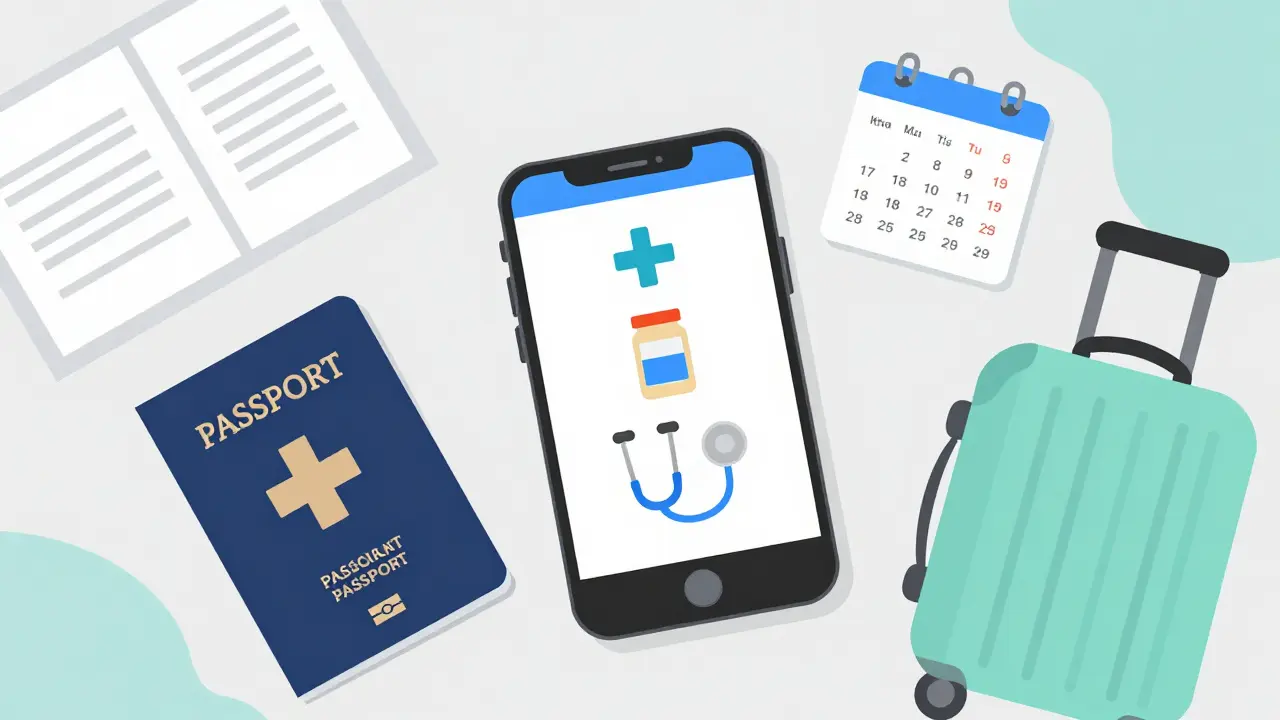
Getting sick while traveling is stressful enough without adding the panic of finding a doctor who speaks your language or a pharmacy that stocks your prescription. In 2026, relying on a basic map search often leads to dead ends, especially when you need urgent medical help in a foreign country. This is where specialized Travel Health Appsare software tools designed to connect travelers with local medical services, medication databases, and telemedicine providers worldwide come into play. These tools have evolved significantly since their introduction years ago, now offering precise geolocation for clinics and detailed medication equivalence data that general mapping apps simply do not provide.
Imagine you are in Tokyo and realize you forgot your heart medication. A standard map shows buildings but rarely identifies which store sells the specific brand available locally. Specialized tools bridge this gap by connecting users directly to verified pharmacists and clinics. The market has matured considerably; what started as simple directories is now a robust ecosystem including telemedicine integration and insurance coordination.
Understanding Your Options
Not all applications serve the same purpose. Some focus strictly on locating physical pharmacies, while others prioritize medical consultations. Knowing the difference saves time in an emergency. You generally fall into three categories of user needs: finding a location immediately, translating prescriptions, or consulting a doctor remotely.
The leading players in this space have distinct strengths. For medication translation, Convert Drugs Premiuma database application that matches brand names to generic equivalents across different countriesCDP remains a top choice. It covers 220 countries and helps you understand if your American brand name medicine has a local counterpart. On the other hand, Air Doctora platform connecting patients with licensed physicians for remote consultations excels when you need advice before you even arrive.
If you hold specific insurance policies, tools like TravelSmartan app linked to Allianz Global Assistance for handling medical claims and facility coordination offer seamless billing. Meanwhile, professionals often rely on Epocratesa reference database originally for doctors that travelers use to verify drug interactions and availability.
Comparing Top Applications
Choosing the right tool depends on your destination and medical needs. The following table breaks down the critical attributes of the most reliable options currently available in the market.
| Application Name | Primary Function | Offline Capability | Pricing Model | Coverage Area |
|---|---|---|---|---|
| Convert Drugs Premium | Medication Equivalence | No (Requires Internet) | One-time Purchase ($7.99) | 220 Countries |
| Air Doctor | Telemedicine Consultation | Partial | Per Visit ($49-$79) | 195 Countries |
| mPassport | Clinic Appointment Booking | Limited | Free / Subscription | 60 Major Cities |
| TravelSmart | Emergency Coordination | Yes (Dictionary Only) | Bundled with Insurance | Global |
Notice how coverage varies. While Air Doctor connects you to providers globally, their consultation fees add up quickly. If you prefer paying once, Convert Drugs Premium is a solid investment despite its iOS exclusivity. Always check the latest system requirements before downloading, as newer versions often demand updated operating systems like iOS 12.0+ or Android 8.0+.
Preparing Before You Depart
The biggest mistake travelers make is trying to download these tools after they land. Connectivity issues in airports or rural areas can prevent installation when you need it most. You should download your chosen applications at least two weeks before your trip. This window allows you to set up accounts, save payment methods, and test the interface.
Create a digital folder on your phone labeled "Medical Emergency." Store screenshots of your prescriptions there. If you take maintenance medication, photograph the pill bottle and the label. Many apps require the generic name of a drug to find equivalents. Without knowing the generic name, medication equivalency searches fail completely. Spend time learning the generic terms for your prescriptions. For example, know that Acetaminophen is Paracetamol outside the US.
Ensure you enable offline maps if your chosen app supports it. Tools like TravelSmart allow dictionary access without data, which is crucial if roaming data costs prohibit constant connection. Verify with your insurance provider if your policy covers app usage fees, as some global plans reimburse telemedicine consultations initiated through approved partners.
Using Apps When Sick Abroad
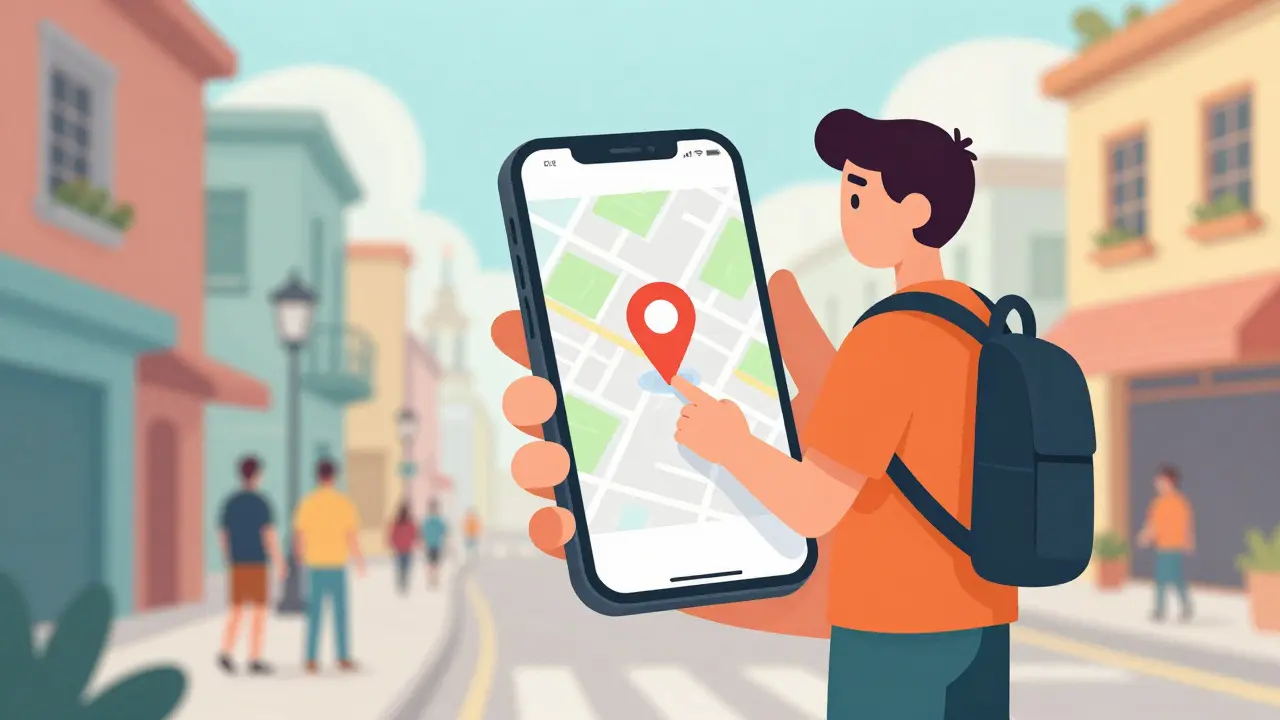
When the moment comes, stay calm and follow a structured process. First, open your location service settings to ensure high accuracy. Medical facilities rely on precise coordinates. Navigate to the search bar within your health app. Input the symptom or the specific facility type, such as "Urgent Care" or "Pharmacy."
- Filter results by distance and user ratings.
- Check opening hours before heading out.
- Contact the facility via the app's messaging feature to confirm language support.
If you are using a telemedicine option like Air Doctor, initiate a video call immediately. Keep your medical documents ready on screen. Doctors can prescribe local treatment plans or issue e-prescriptions recognized internationally in certain regions. Note that emergency situations requiring immediate surgery should always bypass the app for local emergency services; these tools assist non-life-threatening conditions.
Keep a log of every interaction. Save the chat logs or consultation summaries provided by the app. These records are vital for insurance reimbursement later. If you visit a physical clinic, ask them to stamp your passport or issue a formal receipt referencing your travel insurance policy number.
Limitations and Privacy Concerns
While powerful, these tools are not infallible. Regulatory fragmentation means rules change constantly. An app verified in Europe might lack coverage for rural Asia due to local infrastructure gaps. Approximately 47 developing nations report uneven connectivity that renders online-dependent tools useless in remote zones.
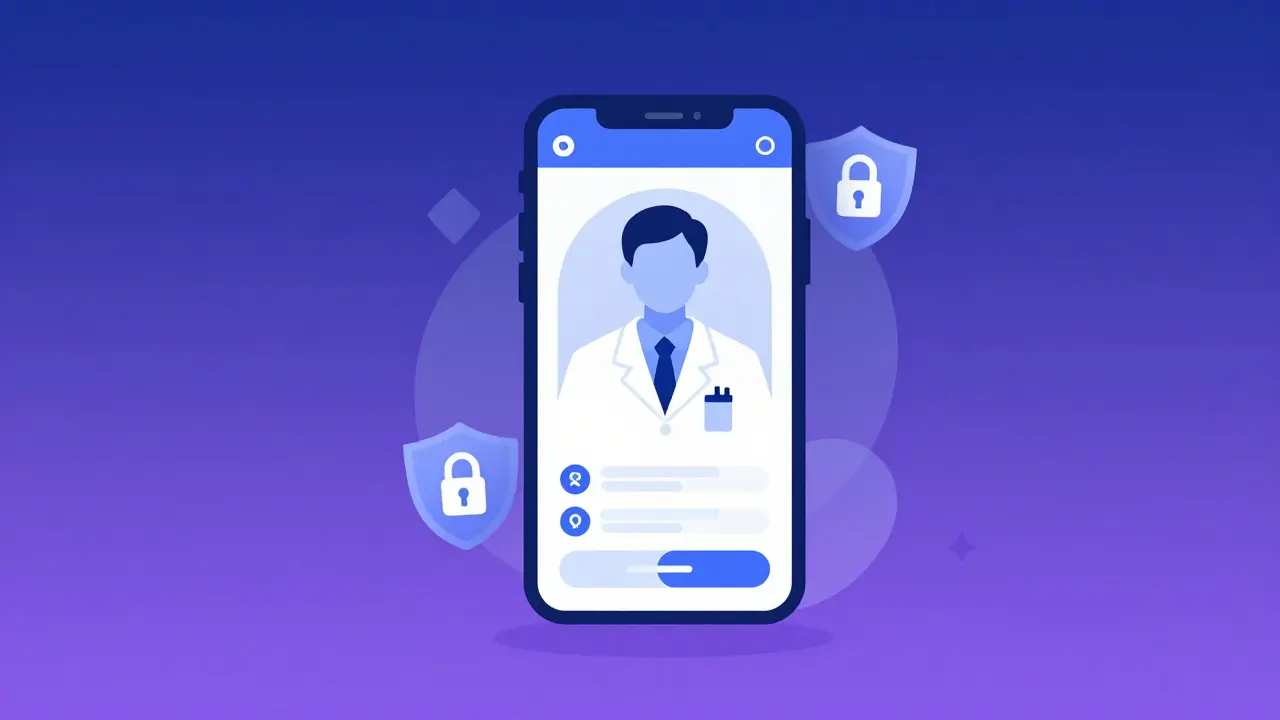
Data privacy is another critical consideration. European travelers must be aware of GDPR compliance. Apps like mPassport handle sensitive health data. Review the privacy policy to see where servers are located. In 2024, regulations tightened regarding cross-border health data transfers. Ensure your app encrypts data end-to-end. Never share passwords or OTP codes with customer support.
Furthermore, these apps cannot replace professional pre-travel advice. Complex conditions like autoimmune disorders require physician clearance before leaving home. Relying solely on an app for chronic management risks adverse reactions to local substitutes.
Frequently Asked Questions
Can I use these apps without internet access?
It depends on the specific tool. Medication dictionaries often work offline once downloaded, but live GPS tracking and telemedicine calls require an active data connection. Download essential data before flying.
Do these apps accept my insurance directly?
Only some platforms integrate with insurers. TravelSmart works directly with Allianz Global Assistance. Others like Air Doctor usually require upfront payment, with reimbursement claimed later through your provider.
Which app is best for prescription translations?
Convert Drugs Premium is widely considered the leader for medication equivalence. It contains data for over 220 countries, allowing you to match brand names to local generics effectively.
Are these tools safe to use privately?
Reputable apps adhere to HIPAA and GDPR standards. Always review the data storage location in the privacy policy. Avoid sharing unnecessary personal details beyond what is medically required.
What if the app cannot find a local facility?
Rural areas often lack coverage. In these cases, contact your embassy or consulate. They maintain lists of vetted local providers regardless of app data.
Carrying the right digital toolkit transforms anxiety into confidence. By understanding the capabilities and limits of these platforms, you ensure that your health journey continues smoothly no matter where you roam. Prioritize preparation, verify compatibility with your insurance, and always carry a backup plan involving local emergency contacts.

walker texaxsranger
March 28, 2026 AT 04:58trust architecture is fundamentally broken when cross border data transmission protocols lack encryption standards mandated by global governance frameworks leaving users exposed to surveillance capitalism exploitation without informed consent mechanisms
Sabrina Herciu
March 29, 2026 AT 12:46You definitely need to prepare your phone before you leave the house. Downloading everything offline is the best way to avoid trouble. Roaming charges can ruin your budget very quickly. Make sure you save your prescription photos too. Doctors love seeing clear images of the original bottles. Generic names are important because brand names change everywhere. Acetaminophen is different from Paracetamol in spelling. Insurance coordination tools help you claim money back later. Save all the receipts in a digital folder on your cloud. GPS accuracy is vital when you are lost in a new city. Turn on location services for better results in apps. Some apps require iOS versions that are older than yours. Update your software before you try to download these tools. Privacy policies matter a lot for your medical data security. Never share your password with anyone who calls support. Always test functionality before boarding the flight.
Rohan Kumar
March 30, 2026 AT 13:25lol another day another app trying to steal our biometrics 🤡 nobody trusts google anymore really 🙄 hope your data gets leaked soon 💀
Paul Vanderheiden
April 1, 2026 AT 06:29you got this absolutely fantastic advice everyone keep staying safe out there friends family need protection too always remember kindness helps travelers find their way home faster than maps ever could ❤️
Aaron Olney
April 1, 2026 AT 14:08hey whats your current dosage i wanna know cause im curious about your history n stuff pharomecy lists need user input for matching profiles so tell me what meds you take now
Eva Maes
April 3, 2026 AT 13:03Efficiency metrics suggest these platforms prioritize profit margins over patient outcomes significantly reducing viability during crisis events where latency becomes unacceptable for critical care access pathways
Poppy Jackson
April 5, 2026 AT 12:32I believe we can overcome this together every journey holds potential for growth and safety is paramount please trust the process and stay brave my friends out there
Jeannette Kwiatkowski Kwiatkowski
April 6, 2026 AT 21:17the common person lacks the nuance required for high end medical technology selection unless you possess substantial wealth you cannot afford true premium tiers of service delivery
Jordan Marx
April 7, 2026 AT 11:37API integration between legacy insurance databases and modern telehealth endpoints remains a bottleneck for seamless interoperability requiring robust authentication protocols for secure data exchange
Rachael Hammond
April 9, 2026 AT 10:17thats soo true people forget to update there phone settings before flying travling is hard work but these apps help alot i learned from my own mistakes so dont wait til you are sick
Kameron Hacker
April 11, 2026 AT 03:56Furthermore ethical considerations regarding mandatory data sharing violate individual sovereignty principles and necessitate stricter regulatory enforcement to prevent unauthorized profiling of health behaviors
kendra 0712
April 12, 2026 AT 17:22This is super helpful for planning trips!!!
walker texaxsranger
April 13, 2026 AT 13:21systemic vulnerabilities persist despite interface updates suggesting backend infrastructure relies on deprecated security models vulnerable to state level intrusion attempts without immediate remediation strategies