
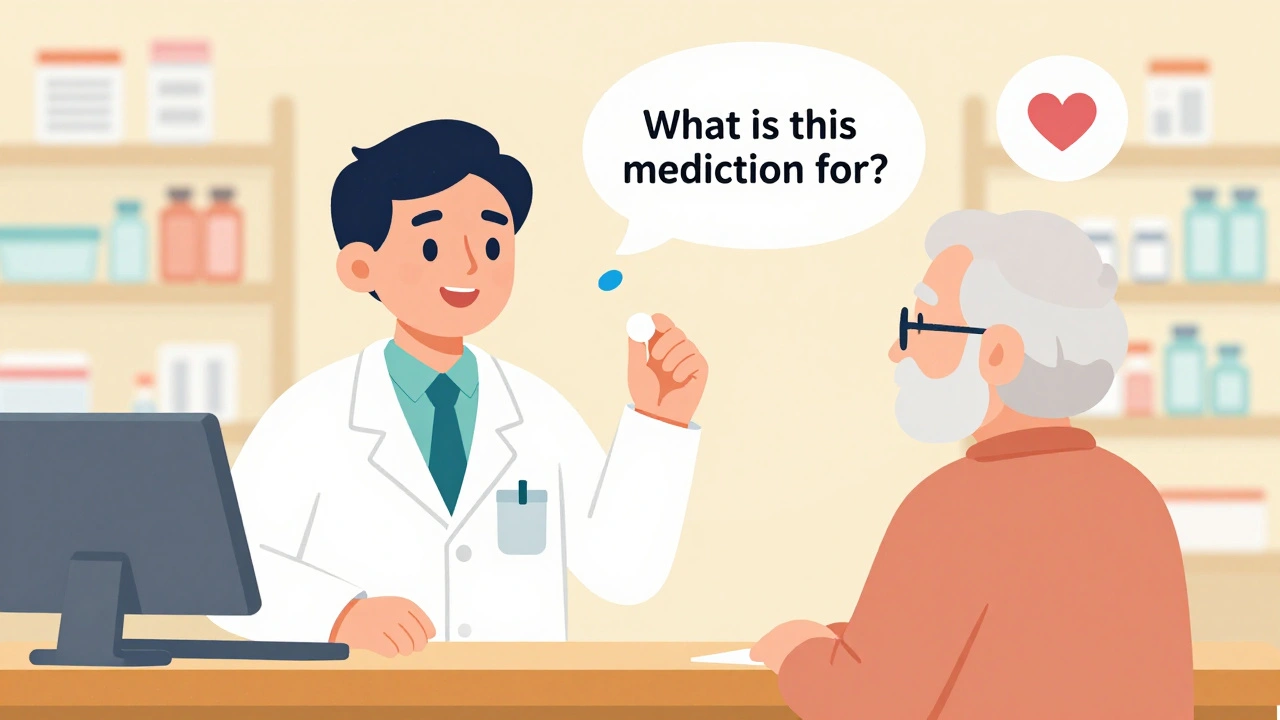
Every year, over 51 million dispensing mistakes happen in U.S. community pharmacies. Most of these errors never reach patients-not because of barcode scanners or double-check systems, but because a pharmacist asked a simple question: "What is this medication for?" That moment of conversation, often rushed or skipped entirely, is the last and most powerful line of defense against medication errors.
Why Patient Counseling Is the Most Effective Error Catcher
Barcode scanners catch about 53% of dispensing mistakes. Pharmacist double-checks catch 67%. But patient counseling? It catches 83%. That’s not a guess-it’s what Pharmacy Times documented in 2010, and it’s still true today. Why? Because machines can’t ask if the patient expects a blue pill when they got a white one. They can’t hear the hesitation in a voice when someone says, "I thought this was for my heart." Only a human can catch the mismatch between what the system printed and what the patient remembers. The Omnibus Budget Reconciliation Act of 1990 made counseling mandatory for Medicare patients. That law didn’t just change paperwork-it changed safety culture. Today, every pharmacist, whether working in a chain store or a small town shop, is expected to talk to every patient. Not just to give instructions, but to verify. To confirm. To catch what technology misses.The Four Critical Checks During Counseling
Effective counseling isn’t just asking, "Do you have any questions?" It’s a structured process. The American Pharmacists Association and the National Association of Boards of Pharmacy both agree: there are four non-negotiable steps.- Verify identity and medication purpose. Don’t ask, "Is this for your blood pressure?" That’s a closed question. Instead, ask, "What condition are you taking this medication for?" Open-ended questions catch 3.2 times more errors. A patient might say, "I thought this was for my ankle pain," when it’s actually for atrial fibrillation. That’s a red flag.
- Confirm understanding of instructions. Use the teach-back method. Ask the patient to show you how they’ll take it. "Can you demonstrate how you’ll use this inhaler?" Or, "Tell me when you’ll take this pill each day?" If they say, "I’ll take it when I feel dizzy," that’s not right. That’s a mistake waiting to happen.
- Check the physical appearance. Show the patient the pill or liquid. Ask, "Does this look like what you’ve taken before?" In 2022, CVS Health’s pilot program caught 1,247 errors in just three months using this exact question. Look-alike medications-like different strengths of insulin or similar-looking blood thinners-are a leading cause of harm. Patients often notice the difference before the pharmacist does.
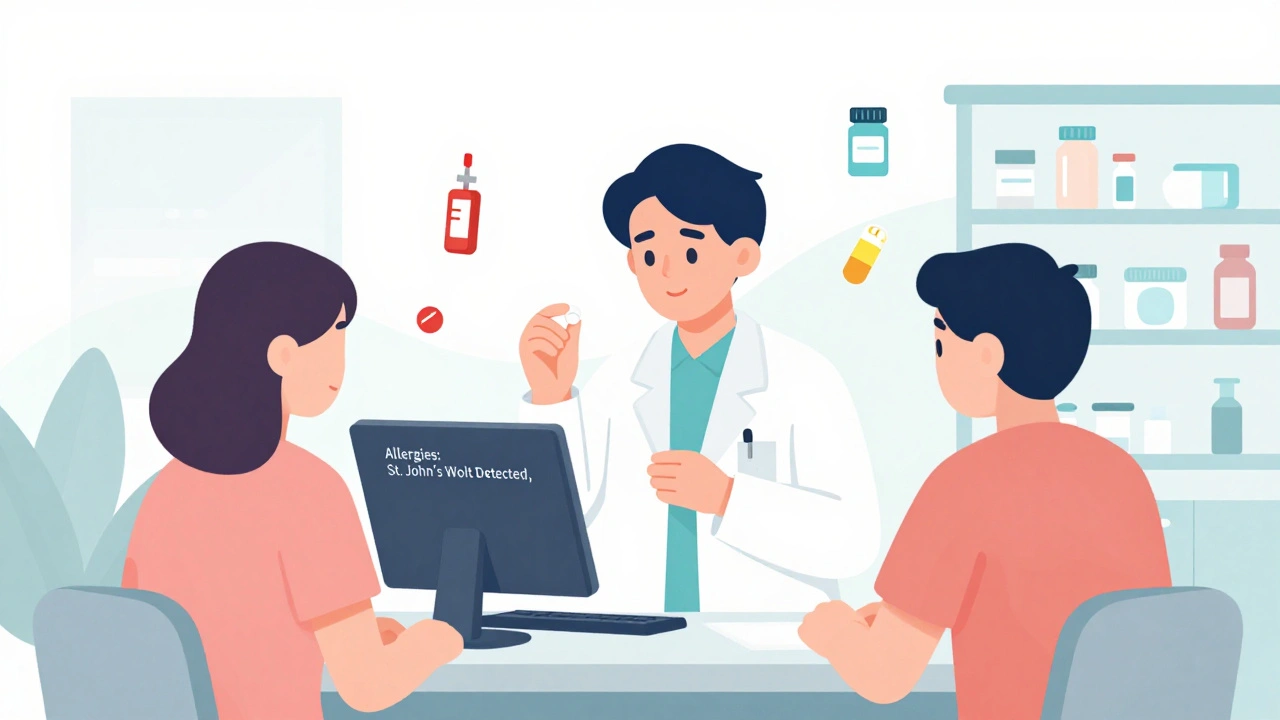
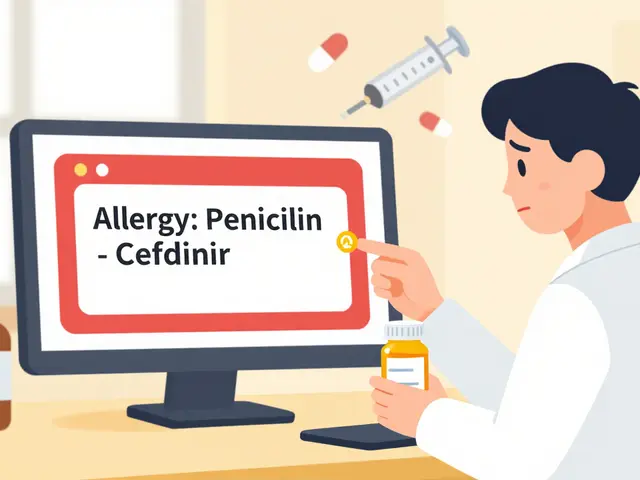
- Review interactions and allergies. Don’t just glance at the screen. Ask, "Have you started any new supplements or over-the-counter meds lately?" Many errors come from hidden interactions. A patient might be taking St. John’s Wort for depression and not think to mention it. That can neutralize their antidepressant or blood thinner.
Each of these steps takes time. The average counseling session in many pharmacies lasts just 1.2 minutes. The research says you need at least 2.3 minutes to catch most errors. Every extra 30 seconds boosts detection by 12.7%.
Where Counseling Works Best-and Where It Falls Short
Counseling isn’t equally effective for every situation. It’s strongest when:- It’s a new prescription-91% of errors are caught here, per ISMP.
- The patient is on five or more medications-87% error detection rate.
- The patient is over 65 or has low health literacy-these groups are 3.7 times more likely to suffer harm from a dosing error.
- The medication is a high-alert drug-insulin, opioids, anticoagulants. One in five dispensing errors involves these.
But counseling fails when:
- It’s a routine refill-only 33% of errors are caught. Patients assume nothing changed. They don’t notice the pill color switched from white to yellow.
- The patient is unengaged-18.7% refuse counseling outright, often because they’re in a hurry or think it’s unnecessary.
- The pharmacist is overloaded. When pharmacists handle more than 14 prescriptions per hour, counseling effectiveness drops from 83% to 41%.
This is why the most successful pharmacies don’t rely on counseling alone. They use it as the final net-not the only net. Barcode systems catch the wrong drug. Double-checks catch the wrong dose. Counseling catches the wrong patient, the wrong reason, or the wrong expectation.
Real-World Results: What Happens When Counseling Is Done Right
Walgreens’ "Medication Checkpoint" program, which requires pharmacists to show the medication and confirm purpose with every new script, reduced dispensing errors by 58% in their 2023 internal audit. That’s not theory-it’s real numbers from real pharmacies. At independent pharmacies, the impact is even clearer. NCPA’s 2022 survey found that pharmacies using structured counseling saw malpractice insurance premiums drop by 19%. Why? Fewer errors mean fewer lawsuits. Fewer lawsuits mean lower costs. One patient review on Healthgrades said: "The pharmacist caught that my new blood thinner was the wrong strength when I said it looked smaller than before." That’s the power of listening. That’s the power of asking the right question at the right time.The Hidden Cost of Skipping Counseling
Some pharmacies cut counseling to speed things up. They think it’s a luxury. It’s not. It’s a financial safeguard. The cost of counseling? About $0.87 per prescription. The cost of a barcode system? $1.35. Pharmacist double-check? $2.10. Counseling is the cheapest, most effective tool you have. And the cost of a single error? It’s not just money. It’s hospitalization. It’s kidney failure from an overdose. It’s a stroke from a missed interaction. CMS now ties 8.5% of Medicare Part D reimbursements to documented counseling that includes error verification. If you skip it, you lose money.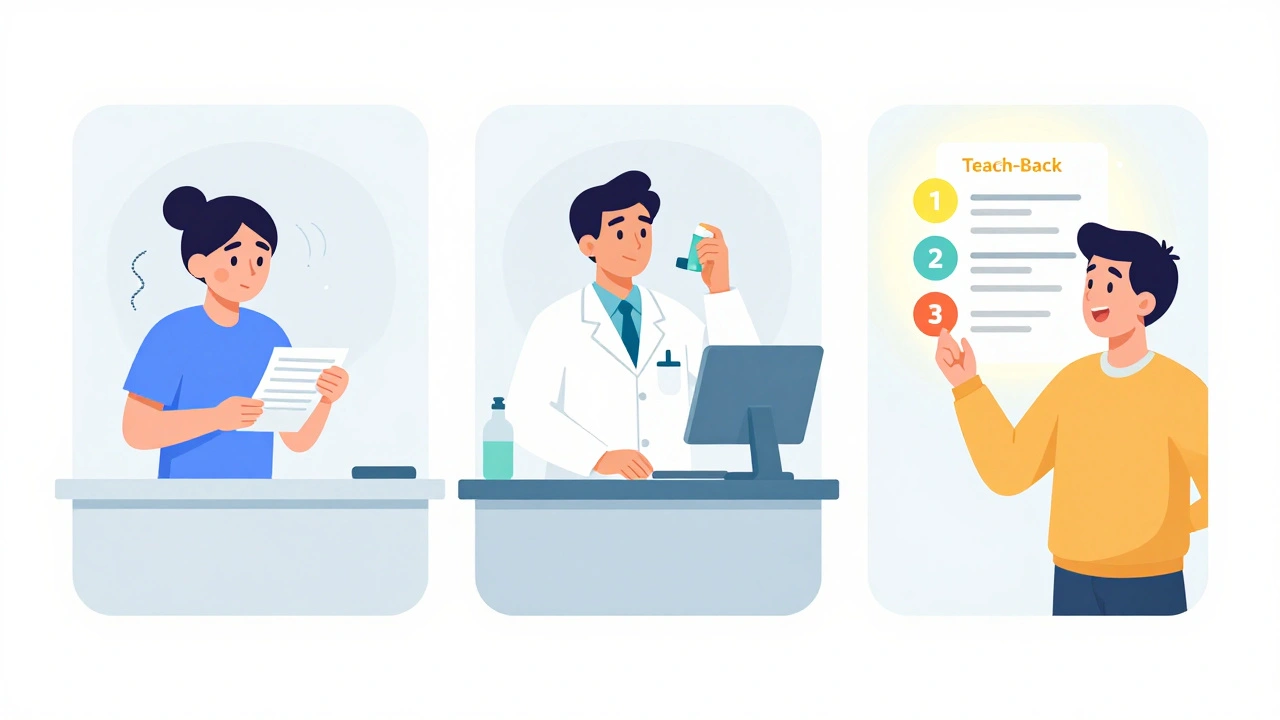
How to Make Counseling Work in a Busy Pharmacy
Time is the biggest barrier. So how do you fit in 2.3 minutes per patient when you’re swamped?- Use pharmacy technicians. In 42 states, techs can do the first pass of counseling-confirming name, purpose, and appearance. The pharmacist then verifies and reviews interactions. This increases effective counseling time by 37%.
- Use technology to streamline documentation. Tools like Surescripts’ "Counseling Checkpoint" API let pharmacists log verification steps directly into the workflow. No extra paperwork. Just a few clicks. Early adopters report 22% faster sessions without losing accuracy.
- Train for health literacy. Don’t assume patients understand medical terms. Use plain language. Say "blood thinner" instead of "anticoagulant." Show pictures. Use the teach-back method every time.
- Document everything. The NABP’s 2022 standards require documentation of counseling elements. Pharmacies that do this reduce liability claims by 44%. If you’re asked, "Did you counsel this patient?"-you need proof.
The Future of Counseling: More Than Just a Check
The FDA, ISMP, and ASHP all agree: patient counseling is the most effective way to catch dispensing errors that technology misses. By 2025, ASHP aims to raise detection rates from 83% to 90%. That’s not impossible. New regulations are coming. Thirty-four states now require counseling for opioid prescriptions. The proposed 2024 Federal Pharmacy Safety Act would require it for all high-alert drugs. CMS is already measuring it. Patients are demanding it-83% prefer pharmacies that take time to explain medications. Counseling isn’t about being nice. It’s about being safe. It’s about turning patients into partners. When you ask, "What do you think this is for?"-you’re not just preventing an error. You’re building trust. And that’s worth more than any software update.How long should a patient counseling session last to catch dispensing errors?
Research shows you need at least 2.3 minutes per patient to effectively catch most dispensing errors. Each additional 30 seconds increases error detection by 12.7%. The average session in many pharmacies is only 1.2 minutes-far below the recommended time. Structured protocols, like the APhA’s 4-step framework, take about 2 minutes and 40 seconds and have been shown to raise detection rates from 61% to 85%.
What type of questions catch the most medication errors during counseling?
Open-ended questions catch 3.2 times more errors than closed ones. Instead of asking, "Is this for your blood pressure?" ask, "What condition is this medication for?" This forces the patient to explain in their own words, revealing misunderstandings. The teach-back method-where patients repeat instructions back-is proven to increase error detection by 68%.
Can pharmacy technicians help with counseling to catch errors?
Yes. In 42 states, pharmacy technicians are legally allowed to perform the initial counseling steps: verifying patient identity, confirming medication purpose, and checking the physical appearance of the drug. The pharmacist then reviews interactions, allergies, and administration instructions. This approach increases effective counseling time by 37% and helps manage workload without sacrificing safety.
Why is counseling more effective than barcode scanning or pharmacist double-checks?
Barcodes catch the wrong drug. Double-checks catch the wrong dose. Counseling catches the wrong patient, the wrong reason, or the wrong expectation. A machine can’t know if the patient thinks they’re getting a blue pill for heartburn but received a white one for cholesterol. Only a conversation can reveal that mismatch. Counseling verifies understanding-not just the label.
Is patient counseling worth the time in a busy pharmacy?
Absolutely. Counseling costs only $0.87 per prescription, less than barcode systems ($1.35) or pharmacist double-checks ($2.10). Pharmacies using structured counseling see 19% lower malpractice insurance premiums and avoid costly hospitalizations. CMS now ties 8.5% of Medicare reimbursements to documented counseling. Patients also prefer pharmacies that take time to explain medications-83% say they’ll choose a pharmacy with thorough counseling over one that rushes them.

Keasha Trawick
December 13, 2025 AT 08:56Let me tell you-this is the most *vibrant* safety net I’ve ever seen in healthcare. I work in a chain pharmacy, and when I started asking, ‘What’s this for?’ instead of just nodding and handing over the script-I caught a patient on warfarin who thought it was for ‘joint swelling.’ Turns out, she was mixing it with her glucosamine. That’s not a mistake. That’s a death sentence waiting for Tuesday. Now I do the full four-step dance. It’s not just policy-it’s poetry in motion.
Tommy Watson
December 14, 2025 AT 18:19lol why do we even bother? barcode scans work fine. i got my meds every week and never died. they just wanna make us wait longer so they can look busy. also i hate when they ask me what it’s for like i’m some kinda doctor. it’s a pill. take it. done.
sharon soila
December 16, 2025 AT 02:33Every human deserves to be seen, not just processed. Counseling isn’t a task-it’s a sacred moment between caregiver and person. When you slow down enough to ask, ‘What do you expect this to do?’-you’re not just preventing errors. You’re honoring dignity. This isn’t about compliance. It’s about compassion. And compassion, my friends, is the only true medicine that never runs out.
Constantine Vigderman
December 18, 2025 AT 01:41THIS. THIS IS WHY I LOVE MY PHARMACIST! 🙌 I told her my new pill looked ‘weird’ and she checked it-turns out I got the 10mg instead of the 5mg. She laughed and said ‘Good thing you’re observant!’ I felt like a superhero. We need more of this, not less. Also, techs helping? YES PLEASE. I’m tired of waiting 20 mins just to get my insulin. 😊
Cole Newman
December 19, 2025 AT 12:56you guys are overthinking this. i’ve been a pharmacist for 17 years. counseling? it’s a joke. the real problem is staffing. no one wants to work in a pharmacy anymore. you think a 65-year-old grandma is gonna remember what ‘anticoagulant’ means? no. she just wants her meds and her coffee. stop pretending this is rocket science. just give them the damn pills.
kevin moranga
December 20, 2025 AT 11:15Let me tell you something real quick-this whole system works because of the people who show up every day, even when they’re tired, even when they’ve done 40 scripts already. I’ve seen a mom catch her kid’s wrong antibiotic because she remembered the pill was yellow last time and now it’s green. That’s not luck. That’s love. And yeah, it takes time. But what’s more important-getting out the door in 90 seconds, or keeping someone alive? I choose life. Every. Single. Time.
Jamie Clark
December 22, 2025 AT 00:0883% error detection? That’s laughable. You think patients are honest? Half of them lie about their supplements. Half of them don’t know what their own meds are for. And you’re telling me this ‘counseling’ is the silver bullet? Please. The real solution is automation. AI that cross-references every pill with every symptom, every lab result, every genetic marker. Not some pharmacist asking ‘what’s this for?’ like it’s a therapy session. This is healthcare, not a sitcom.
Bruno Janssen
December 22, 2025 AT 14:44I used to work in a pharmacy. I saw it all. The angry old man who screamed because his pill was the wrong color. The woman who cried because she thought she was being poisoned. The tech who didn’t check because she was ‘just tired.’ I don’t talk about it anymore. But I still see those faces. Every night. This isn’t a post. It’s a memorial.
Scott Butler
December 22, 2025 AT 21:43USA is the only country that thinks asking patients questions is ‘innovation.’ In Germany, they have robots that dispense meds and check everything. No human interaction needed. No wasted time. No ‘teach-back.’ Just precision. We’re falling behind because we think kindness is a strategy. It’s not. It’s a liability.
Deborah Andrich
December 23, 2025 AT 16:33I’ve been a nurse for 22 years. I’ve watched patients die because someone assumed they knew what they were taking. I’ve held hands while they told me they thought the blue pill was for anxiety. It wasn’t. It was for seizures. And no one asked. This isn’t about policy. It’s about showing up. Asking. Listening. No jargon. No rush. Just presence. That’s all it takes. And it’s free.
Donna Hammond
December 24, 2025 AT 11:04Let’s be crystal clear: counseling isn’t optional-it’s clinical. The 2.3-minute benchmark isn’t arbitrary; it’s evidence-based. The teach-back method alone reduces readmissions by 30%. The fact that we still treat this like a chore instead of a core competency is a systemic failure. If we valued safety like we value profits, every pharmacy would have a dedicated counseling station. No techs. No shortcuts. Just time. And respect.
Sheldon Bird
December 26, 2025 AT 09:46My grandma’s pharmacist does this every time. She even draws little pictures of pills on the bag. I thought it was cute. Then I realized-she saved her life. Last year, the wrong blood thinner was dispensed. Grandma said, ‘This looks like the one I took last month but smaller.’ Pharmacist checked. It was. She switched it. No lawsuit. No hospital. Just a woman who cared enough to notice. That’s the future. Simple. Human. Powerful. 💙
Karen Mccullouch
December 27, 2025 AT 06:38Why do we let pharmacists do this? Why not just let the doctor do it? Or the nurse? Or the AI? We’re outsourcing safety to people who get paid $18/hour and work 12-hour shifts. This isn’t a system. It’s a gamble. And we’re betting lives on someone’s last cup of coffee. 🤡
Ronan Lansbury
December 29, 2025 AT 03:32Of course counseling works. It’s the only thing left that isn’t controlled by Big Pharma. They don’t want you talking to your pharmacist-they want you swallowing pills without asking questions. The FDA? The ASHP? All puppets. This is a distraction. Real safety is in closed-loop systems, not ‘open-ended questions.’ The real enemy? Profit-driven healthcare. And you’re all just rearranging deck chairs on the Titanic.