
FDA Safety Alert Keyword Simulator
The FDA allows up to 5 custom keywords in their Enforcement Report Subscription Service. Choose wisely to avoid noise while catching critical alerts.
Did you know?
Before July 2022, subscribers received every alert regardless of relevance. The keyword feature reduced unsubscribe rates significantly by allowing precision targeting.
Imagine finding out a week after the fact that the insulin pump you rely on daily has a critical battery defect. Or worse, discovering that the peanut butter your child eats every morning was recalled due to contamination risks. In the world of regulated health products, timing isn't just convenient-it's vital. The U.S. Food and Drug Administration (FDA) releases hundreds of safety updates annually, but these alerts don't magically appear on your home screen unless you actively opt in.
Most people assume the government will notify them automatically if something dangerous hits the market. That’s not how it works. The FDA provides the tools, but you have to set them up. Subscribing to FDA Safety Communications is the single most effective way to ensure you never miss a recall, warning, or safety update regarding medications, medical devices, food, or cosmetics. This guide walks you through exactly how to connect to these lifelines, which specific systems serve different needs, and how to customize them so you get relevant information without being overwhelmed by noise.
Why You Can’t Rely on News Headlines Alone
You might think major recalls make the news-and big ones do. But many safety communications are highly technical, targeted at healthcare providers or specific industry sectors, and fly under the radar of general media coverage. For instance, the Center for Devices and Radiological Health (CDRH) issued 45 safety-related communications in 2022 alone. Thirty were Medical Device Safety Communications, and fifteen were Letters to Health Care Providers. These documents often contain nuanced details about adverse events, field corrections, or emerging risks that mainstream outlets simply don't cover.
If you are a patient managing a chronic condition, a caregiver for an elderly parent, or a professional working within the supply chain, waiting for a viral tweet to tell you about a safety issue is a risky strategy. The FDA’s digital subscription services were designed specifically to bridge this gap, moving from broad, reactive announcements to proactive, personalized alerting.
The Core System: Enforcement Report Subscription Service
The backbone of the FDA’s public notification system is the Enforcement Report Subscription Service. This service allows consumers and industry professionals to sign up for email notifications regarding recalls across all FDA-regulated product categories. Originally launched as a basic broadcast list, it underwent significant modernization. The initial version debuted in April 2021, but the game-changer came in July 2022 with the introduction of keyword customization.
Before 2022, subscribers received every single enforcement report, regardless of relevance. If you subscribed to track food recalls, you’d also get alerts about defective surgical lasers or contaminated supplements. This led to high unsubscribe rates because users felt spammed. The July 2022 update solved this by allowing users to select up to five custom keywords.
This feature transforms the service from a blunt instrument into a precision tool. Here is how it works in practice:
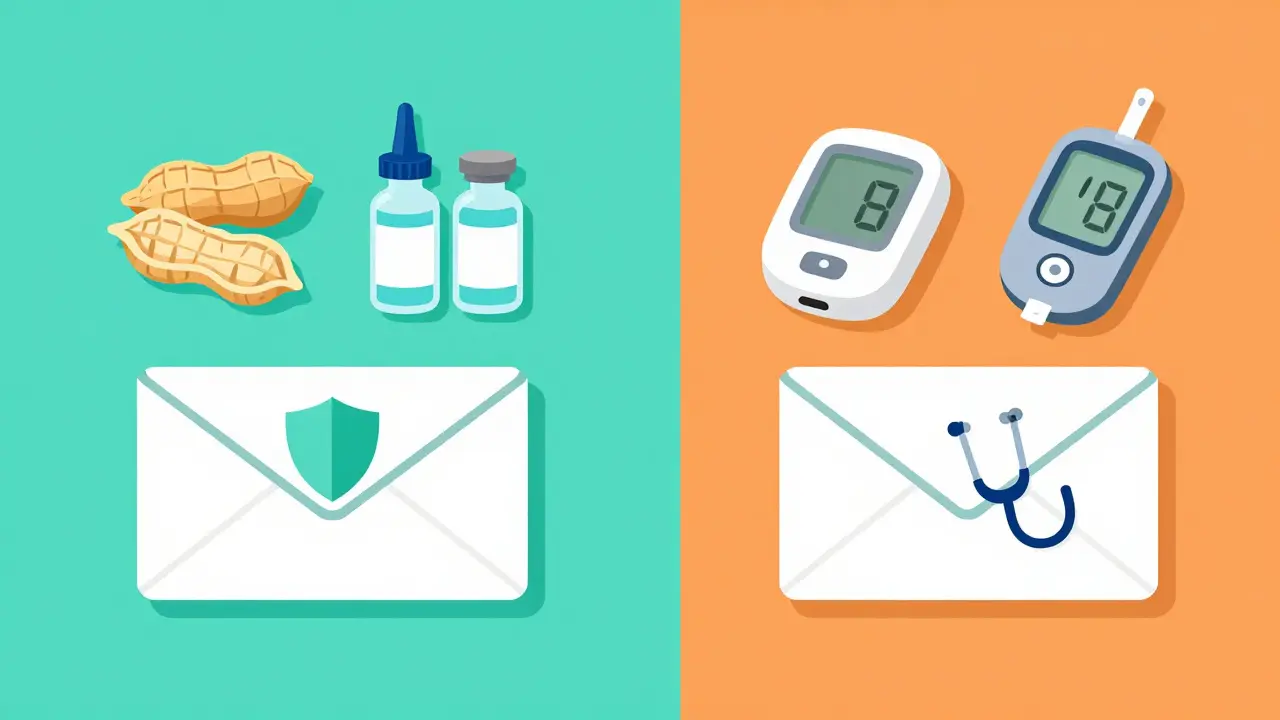
- Allergy Management: If you or a family member has a severe peanut allergy, you subscribe using the keyword "peanut." You will receive immediate emails if any FDA-regulated food product containing peanuts is recalled.
- Chronic Care: A diabetic patient can use keywords like "insulin" or "glucose meter" to monitor the safety of their essential supplies.
- Supply Chain Monitoring: A manufacturer sourcing components for medical devices can subscribe to specific ingredient names or device types to ensure their production line isn't affected by upstream recalls.
To set this up, you navigate to the FDA’s official website and locate the Enforcement Report Subscription page. The interface asks for your email address and then prompts you to enter your chosen keywords. It is crucial to be specific but broad enough to catch variations. For example, if you are monitoring heart medication, you might need separate keywords for brand names and generic active ingredients if the recall notices vary in terminology.
Medical Device Specifics: Safety Communications and Letters
While the Enforcement Report covers recalls broadly, medical devices have their own dedicated communication channels managed by CDRH. These are distinct from standard recalls and require a separate subscription action. The Medical Device Safety Communications are formal letters sent to healthcare providers and patients when new safety information emerges that may affect how a device is used.
These communications fall into three main buckets based on recent data:
- New Safety Information: Alerts about previously unknown risks or side effects (e.g., a specific model of pacemaker showing higher-than-expected failure rates).
- Recall Updates: Clarifications on ongoing recalls, such as expanding the scope of affected lot numbers.
- Previous Communication Updates: Corrections or additional context added to earlier warnings.
In addition to these, the FDA issues Letters to Health Care Providers, which are more clinical in nature and often include detailed instructions for physicians on how to manage patients currently using the affected devices.
To subscribe to these, you must look for the specific "Subscribe to Medical Device Safety and Recalls" link on the FDA.gov site. This ensures you receive emails directly related to device adverse events, field safety notices, and post-market surveillance findings. Unlike the general enforcement reports, these are tailored specifically to the complex lifecycle of medical technology.
The New Frontier: Early Alert Communications Program
One of the most significant developments in FDA transparency occurred recently with the expansion of the Early Alert Communications Program. This program provides notifications about potentially high-risk issues before they meet the formal regulatory definition of a recall. Initially piloted in November 2024, this program was limited to specific high-stakes categories: cardiovascular, gastrorenal, general hospital, obstetrics and gynecology, and urology devices.
However, on September 29, 2025, the FDA expanded this program to include all medical devices. This change addresses a critical gap in traditional regulatory processes. Often, the FDA becomes aware of a potential high-risk issue-such as a spike in injury reports-but hasn't yet completed the full investigation required to declare a formal recall. In the past, this lag time left patients vulnerable. Patient advocates had long recommended minimizing the delay between the agency's initial awareness and public communication.
Early Alerts differ from standard recalls in several key ways:
- Proactive Nature: They are issued when the FDA suspects a serious risk, even if the manufacturer hasn't admitted fault or a formal violation hasn't been codified.
- Actionable Language: These alerts include clear "what to do" language that mimics company notifications sent to customers, making it easy for patients to understand immediate next steps.
- Transparency on Severity: They explicitly state if there have been any reported deaths or injuries associated with the issue.
For anyone using a medical device, subscribing to the broader medical device safety channel now captures these Early Alerts. This means you might learn about a potential risk with a joint replacement or a diagnostic imaging machine weeks before it becomes a headline-making crisis.
How the Data Flows: Behind the Scenes
Understanding where this information comes from helps explain why the alerts are reliable. The FDA doesn't guess; it monitors massive datasets. The safety communication ecosystem integrates with two primary surveillance infrastructures:
First, there is the FDA Adverse Event Reporting System (FAERS), which collects reports of side effects and problems with drugs and therapeutic biological products. Second, and perhaps more powerful, is the Sentinel System. This initiative monitors medication usage and outcomes data from over 300 million people through administrative claims databases and electronic health records.
When the Sentinel System detects a statistical anomaly-say, a sudden increase in liver toxicity among users of a specific blood pressure medication-it triggers an investigation. If the signal is strong enough, it results in a Drug Safety Communication. Similarly, if FAERS sees a cluster of malfunctions in a specific model of CPAP machine, it leads to a Medical Device Safety Communication. By subscribing to the alerts, you are essentially tapping into the output of these sophisticated monitoring networks.

Setting Up Your Subscriptions: A Practical Checklist
Getting started is straightforward, but doing it right requires a bit of strategy. Here is a step-by-step approach to ensuring comprehensive coverage:
- Identify Your Risk Profile: List the products you or your dependents use regularly. This includes prescription drugs, over-the-counter remedies, dietary supplements, food items with allergen concerns, and any medical devices (from glucose meters to implantable hardware).
- Sign Up for Enforcement Reports: Go to the FDA website and register for the Enforcement Report Subscription Service. Choose your five keywords wisely. Think about synonyms and common abbreviations. If you monitor "aspirin," consider if you should also add "acetylsalicylic acid" depending on how the FDA titles its notices.
- Subscribe to Device Alerts: Separately, register for the Medical Device Safety and Recalls newsletter. This is non-negotiable if you use any FDA-regulated equipment.
- Create a Dedicated Email Folder: To prevent these alerts from getting lost in your inbox clutter, create a folder named "FDA Alerts" or "Safety Checks." Set a filter to automatically route emails from "@fda.gov" to this folder. Check it once a week, or immediately if you have a high-risk condition.
- Review Quarterly: Every three months, review your keywords. Have you started taking a new medication? Did you buy a new baby formula? Update your subscriptions accordingly.
Who Else Should Be Watching?
While patients and caregivers are the primary beneficiaries, these communications are also critical for industry stakeholders. For medical device manufacturers, staying current with FDA Safety Communications is not just a best practice-it is a regulatory imperative. As noted by industry analysts, these communications serve as early warning signs for issues that may affect similar devices in a company's portfolio.
Monitoring these alerts helps companies with:
- Proactive Risk Assessment: Identifying potential quality issues before they impact their own products.
- Quality System Updates: Adjusting internal protocols based on competitor failures or systemic industry risks.
- Regulatory Strategy: Understanding how the FDA is interpreting current safety data, which informs future submission strategies.
The Association of Food and Drug Officials emphasizes that understanding the relationship between FDA rules, guidance, and safety communications is essential for compliance. These documents describe the FDA's analysis of current issues and provide specific regulatory approaches that companies must align with.
Is it free to subscribe to FDA Safety Communications?
Yes, all FDA subscription services, including the Enforcement Report Subscription Service and Medical Device Safety alerts, are completely free. The FDA funds these systems through federal appropriations to ensure public access to critical health information.
How quickly do I receive alerts after an issue is identified?
Notifications are typically sent via email as soon as the safety information is published on the FDA website. For Early Alert Communications, the goal is to minimize the time between the agency's awareness of a high-risk issue and public notification, often resulting in faster dissemination than traditional recall processes.
Can I unsubscribe from specific types of alerts?
You can modify your keywords in the Enforcement Report Subscription Service to filter out irrelevant alerts. However, the Medical Device Safety and Recalls subscription is a broad category. If you find the volume too high, you may need to manage your expectations or use email filters to sort them, as there is no granular sub-category selection for device types within that specific newsletter.
What is the difference between a Recall and an Early Alert?
A formal recall occurs when the FDA determines that a product violates regulations and poses a health risk. An Early Alert is issued when the FDA is aware of a potentially high-risk issue but has not yet completed the investigation required for a formal recall. Early Alerts provide immediate safety advice while the investigation continues.
Do these alerts cover international products sold in the US?
Yes, the FDA regulates products sold within the United States regardless of where they were manufactured. If a foreign-made drug, device, or food product is found to be unsafe in the US market, it will be included in the relevant safety communications and recall alerts.
How does the FDA decide what to include in a Safety Communication?
Decisions are based on data from systems like FAERS (adverse event reports) and the Sentinel System (which analyzes data from over 300 million people). When statistical signals indicate a new or increased risk, the FDA reviews the evidence and issues a communication to inform healthcare providers and patients.


Ryan Jones
May 24, 2026 AT 22:28you really think the fda is looking out for you? please. they are in bed with big pharma and device manufacturers. every time there is a recall it is because someone got paid off to keep quiet until the stock price dropped enough to cover their tracks. subscribing to these emails just gives them your data so they can sell it to advertisers who want to target sick people. i have been tracking this for years and the pattern is always the same. they wait until it is too late then issue a press release that nobody reads. do not trust the government to protect you from the corporations they regulate. it is a joke.
dane thorp
May 26, 2026 AT 03:10The post outlines a clear procedure for monitoring safety alerts, which is useful information for those who wish to stay informed about product recalls and medical device updates.
Michael Schurmann
May 27, 2026 AT 20:22It is truly amusing that the general public believes they possess the intellectual capacity to interpret complex regulatory signals without formal training in pharmacovigilance or epidemiology. The notion that one can simply select five keywords and thereby achieve 'precision' in risk assessment is laughably naive. These systems are designed by bureaucrats who understand the nuances of adverse event reporting, not laypeople scrolling through their phones while eating processed garbage. You are not empowered; you are merely given the illusion of control while the actual decision-making remains firmly in the hands of the elite who actually read the raw data from FAERS and Sentinel. Most of you will miss the critical context hidden in the fine print, leading to either unnecessary panic or dangerous complacency. It is a waste of time for anyone who does not have at least a master's degree in regulatory affairs.
irine sabrina
May 29, 2026 AT 09:42I am so glad this guide exists because peace of mind is incredibly valuable when managing health concerns for our families. Taking proactive steps like subscribing to these alerts shows that we care deeply about our well-being and the safety of our loved ones. It is wonderful to see resources that empower individuals to take charge of their health journey in such a positive and organized way. Let us support each other in staying informed and safe together!
Christina Mitchell
May 31, 2026 AT 05:09In the grand tapestry of human existence, the act of seeking knowledge is perhaps our most defining characteristic. To subscribe to these communications is to acknowledge our vulnerability and our desire to mitigate harm. It reflects a philosophical commitment to vigilance in an uncertain world.
Christopher Laver
May 31, 2026 AT 23:03Boring.
Russell Russell
June 1, 2026 AT 10:30Let us embrace this opportunity to learn and grow together as a community of informed citizens. Knowledge is power, and sharing this information helps everyone stay safer and more prepared. I encourage all of you to take a few minutes today to set up these subscriptions and look out for one another. We are stronger when we are informed and connected.
Naresh Chandra
June 2, 2026 AT 03:05This is very helpful information!!! I appreciate the detailed breakdown of how the FDA system works. It is important to be aware of these tools for our health!!!
Cyburg Adeoye
June 2, 2026 AT 09:51As a healthcare professional, I can attest to the critical importance of leveraging these surveillance infrastructures effectively!!! The integration of FAERS and Sentinel System data provides a robust framework for early detection of adverse events!!! Subscribing to these alerts is not merely a bureaucratic exercise but a vital component of patient safety protocols!!! We must ensure that our teams are educated on how to utilize keyword customization to filter noise and focus on high-risk signals!!! This proactive approach aligns with best practices in risk management and quality assurance!!! Let us continue to advocate for transparency and timely communication in our respective fields!!!