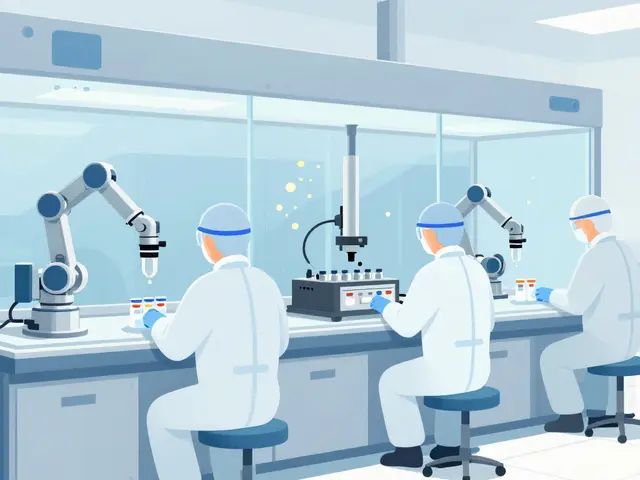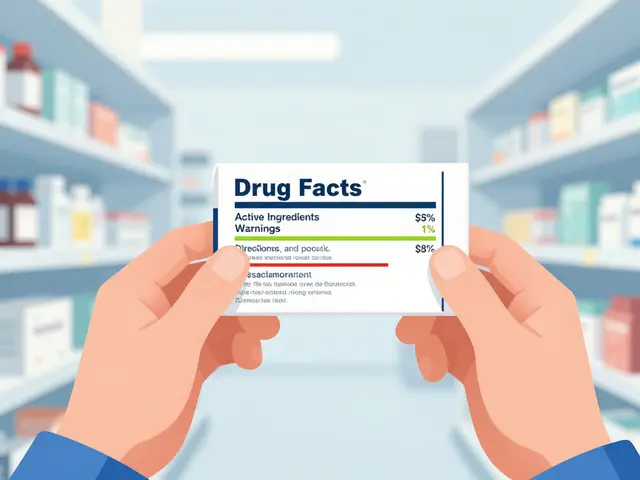
Imagine taking a daily medication that saves you money but quietly exposes you to cancer-causing chemicals. For millions of people relying on generic drugs, this is no longer just a hypothetical fear-it’s a documented reality. While generics have revolutionized healthcare by making essential medicines affordable, recent years have exposed deep cracks in the quality control systems that keep these drugs safe. From blood pressure pills contaminated with carcinogens to chemotherapy agents that simply don’t work, the stakes are incredibly high.
The problem isn't that generic drugs are inherently unsafe. It's that the supply chain. When you buy a generic, you're often trusting a complex web of international manufacturers, many located thousands of miles away from regulatory oversight. In 2024, the global generic pharmaceutical market was valued at $461.2 billion, with approximately 90% of prescriptions in the United States filled with generic medications. But as costs drop, corners get cut. Between 2018 and 2025, there were over 8,000 drug recalls, with contamination-related issues jumping by 37% year-over-year. This article breaks down what’s happening, why it’s happening, and how you can protect yourself.
The Hidden Cost of Cheap Medicine
To understand the contamination crisis, we first need to look at how generic drugs come to be. The modern industry started with the 1984 Hatch-Waxman Act. This law allowed manufacturers to skip expensive clinical trials if they could prove their drug was "bioequivalent" to the brand-name version. Essentially, they had to show the drug entered the bloodstream at the same rate and extent as the original. This system saved the U.S. healthcare system an estimated $1.7 trillion over the last decade.
However, bioequivalence testing doesn't always catch manufacturing defects. It assumes the chemical process is stable. When manufacturers change raw materials or production methods to save money, contaminants can slip through. The FDA’s Orange Book lists over 10,000 approved generic products, but the sheer volume makes comprehensive inspection nearly impossible. The agency inspects only about 13% of Indian drug plants annually, despite India supplying 40% of U.S. generic drugs. This gap between volume and oversight creates a perfect storm for quality failures.
Recent Major Contamination Cases
It’s not enough to say "quality issues exist." We need to look at specific examples to understand the scale and danger. Three major cases stand out in recent data up to mid-2026.
Valsartan and NDMA is perhaps the most infamous case. Valsartan is a common blood pressure medication (an ARB). Investigations found it contained N-Nitrosodimethylamine (NDMA), a probable human carcinogen. The contaminant was detected at levels up to 200 times the FDA's acceptable daily intake limit of 96 nanograms. The source? A manufacturing process change at Zhejiang Huahai Pharmaceutical (ZHP) in China, where sodium nitrite was introduced without proper validation. As of September 2025, there were 1,348 pending federal cases. Medical records from plaintiffs showed that 68% developed cancer within five years of exposure, with colorectal cancer incidence skyrocketing compared to the general population.
Another alarming case involves Benzene in Mucinex. Filed in June 2025, lawsuits against Walgreens alleged that generic Mucinex products contained benzene, a known leukemia-causing agent. Independent testing revealed concentrations up to 4.7 parts per million (ppm), well above the FDA’s strict 2 ppm threshold. Plaintiffs reported developing bone marrow abnormalities after just 18 months of regular use. Benzene is particularly dangerous because even low-level chronic exposure increases leukemia risk by 40%.
In the oncology space, the situation is equally dire. A STAT News investigation in June 2025 revealed that 17 chemotherapy drugs from Indian manufacturers failed dissolution testing. Twelve samples contained less than 80% of the labeled active ingredient. The FDA requires drugs to be between 85-115% of the stated potency. If your chemo pill only has 80% of the drug, it might not kill the cancer cells effectively. One study from Memorial Sloan Kettering showed complete remission failure in 7 of 11 patients receiving contaminated cisplatin, compared to much lower failure rates with verified brands.
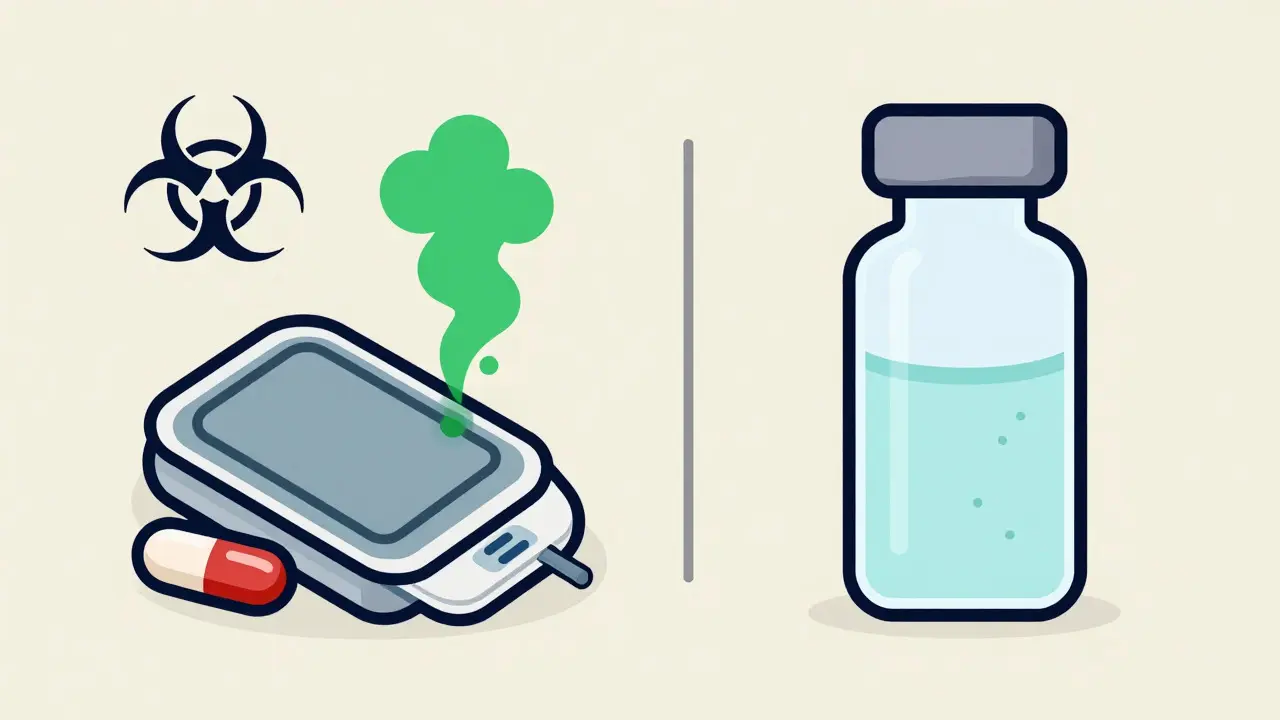
| Drug/Product | Contaminant | Health Risk | Source/Manufacturer Region |
|---|---|---|---|
| Valsartan (Blood Pressure) | NDMA (Carcinogen) | Cancer (Colorectal, Liver) | China (Zhejiang Huahai) |
| Mucinex (Respiratory) | Benzene | Leukemia, Bone Marrow Damage | Various (Global Supply Chain) |
| Cisplatin (Chemotherapy) | Particulate Matter / Low Potency | Treatment Failure, Infection | India (Intas, Zee Labs) |
| Fentanyl Patches | Seal Failure (Leakage) | Overdose, Respiratory Depression | Various |
Why Are Foreign Manufacturers Failing?
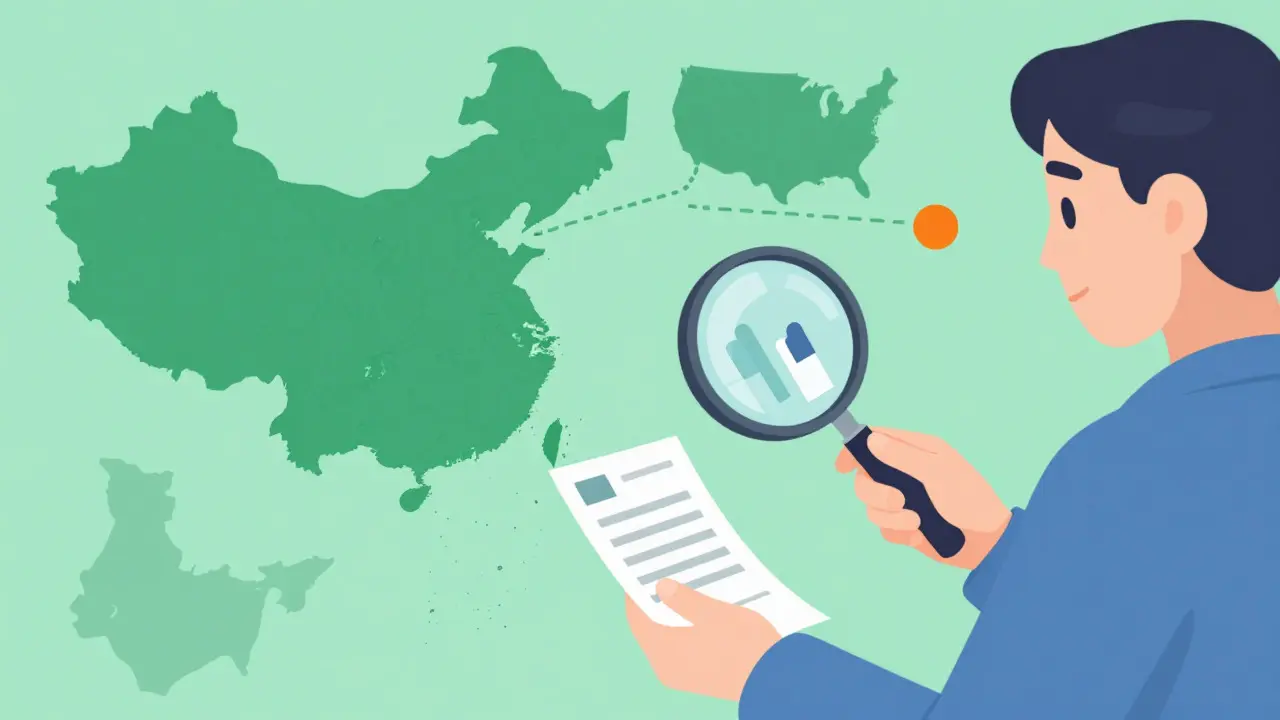
You might wonder why this keeps happening. The answer lies in geography and economics. China produces 80% of the world’s Active Pharmaceutical Ingredients (APIs), and India manufactures 40% of finished dosage forms sold in the U.S. These countries offer significantly lower labor and operational costs. However, regulatory enforcement varies wildly.
Dr. Dinesh Thakur, a former pharmaceutical whistleblower, noted that some governments prioritize protecting their industry over enforcing quality standards. For example, Zee Laboratories in India has been flagged 46 times since 2018 for quality violations. In one 2024 incident, the FDA found visible particulate matter in 100% of sampled vials of cisplatin. At Intas Pharmaceuticals, inspectors discovered evidence of shredded quality records and acid poured on documents to hide failures. This "cascade of failure" led to chemotherapy shortages at 92% of major U.S. cancer centers in 2023.
Furthermore, the FDA’s practice of redacting drug names in foreign facility inspection reports-ongoing since at least 2008-has prevented doctors and patients from knowing which specific batches were risky. While the FDA announced a "Name Transparency Initiative" in September 2025 to stop this, implementation remains uncertain. Until then, the system relies on trust rather than verification.
How to Protect Yourself: Practical Steps
As a patient, you can’t inspect every pill factory. But you can take steps to minimize your risk. Here is what experts recommend.
- Ask Your Pharmacist About Lot Numbers: Every drug batch has a unique lot number. If a recall happens, it usually targets specific lots. Keep your prescription receipts and note the lot numbers. If you hear news about a contamination, check if your lot matches.
- Request Brand Names for High-Risk Drugs: For critical medications like chemotherapy, thyroid hormones (levothyroxine), or seizure drugs, ask your doctor if you can stay on the brand name or a specific generic manufacturer. Some patients report switching manufacturers causes TSH levels to fluctuate wildly, as seen in pharmacy forums.
- Monitor FDA Recall Alerts: The FDA posts weekly recall updates. Subscribe to their alerts or check sites like MedShadow, which analyze enforcement data. Don’t wait for your pharmacist to tell you; be proactive.
- Check for Visual Defects: If a pill looks different-cracked, discolored, or crumbling-return it immediately. Particulate matter in injectables is also a red flag. Never ignore physical changes in your medication.
- Understand Your Supply Chain: Ask your pharmacist where your generic comes from. While they may not always know the exact API source, knowing the final manufacturer helps. Avoid pharmacies that frequently stock drugs from facilities with known warning letters.
The Future of Generic Drug Safety
Is the situation improving? There are signs of tightening regulations. The FDA’s 2025 budget allocated $78 million specifically for foreign facility inspections, though this still covers only a fraction of the backlog. The new Generic Drug User Fee Amendments (GDUFA III) introduce mandatory real-time stability testing for high-risk products. Additionally, the Drug Supply Chain Security Act (DSCSA) requires full electronic tracing by 2027, which should make it harder for bad actors to hide defective batches.
Technology also offers hope. Continuous manufacturing, which monitors drug quality in real-time during production, could reduce contamination risks by 78%, according to MIT research. However, adoption is slow-only 12% of U.S. facilities and 3% of Indian plants use it due to high upgrade costs ($5-15 million per facility).
Legal pressure is also mounting. The Valsartan litigation, with test trials scheduled for late 2025, may set precedents for holding manufacturers accountable for known risks. Estimated settlements range from $250,000 to $1.2 million per cancer case. This financial pain might finally force companies to invest in better quality control rather than cutting corners.
Despite these efforts, skepticism remains. Senator Rick Scott highlighted that 83% of the top 100 generic medicines consumed in the U.S. contain no American-sourced APIs. Without meaningful penalties and independent oversight, experts warn the problem will persist. The goal for 2026-2030 is a 50% reduction in contamination recalls through AI-powered analytics, but time will tell if this is achievable.
Are generic drugs less effective than brand-name drugs?
Generally, no. Generic drugs must meet the same bioequivalence standards as brand-name drugs, meaning they deliver the same amount of active ingredient into your bloodstream. However, recent contamination cases have shown that some generics may contain impurities or incorrect dosages due to manufacturing errors, which can affect effectiveness and safety.
What is NDMA, and why is it dangerous?
NDMA (N-Nitrosodimethylamine) is a probable human carcinogen linked to liver and digestive tract cancers. It can form during certain chemical manufacturing processes if not properly controlled. In the Valsartan scandal, NDMA levels were found up to 200 times the FDA's acceptable limit, posing significant long-term health risks to patients taking the medication daily.
How can I find out if my medication has been recalled?
You can check the FDA’s official recall website or subscribe to their email alerts. Additionally, third-party services like MedShadow track enforcement actions and recalls. Always keep your prescription receipts, as they list the lot number, which is crucial for identifying affected batches during a recall.
Why are so many generic drugs made in India and China?
These countries offer significantly lower production costs for both Active Pharmaceutical Ingredients (APIs) and finished dosage forms. China produces about 80% of global APIs, while India manufactures 40% of U.S. generic drugs. This cost efficiency drives the market but has led to challenges in regulatory oversight and quality consistency.
Should I switch back to brand-name drugs?
For most medications, generics are safe and effective. However, for narrow-therapeutic-index drugs (like thyroid hormones, anti-seizure meds, or chemotherapy), where small dosage differences matter greatly, consulting your doctor about sticking to a specific brand or manufacturer may be wise. Insurance coverage and cost should also be considered in this decision.