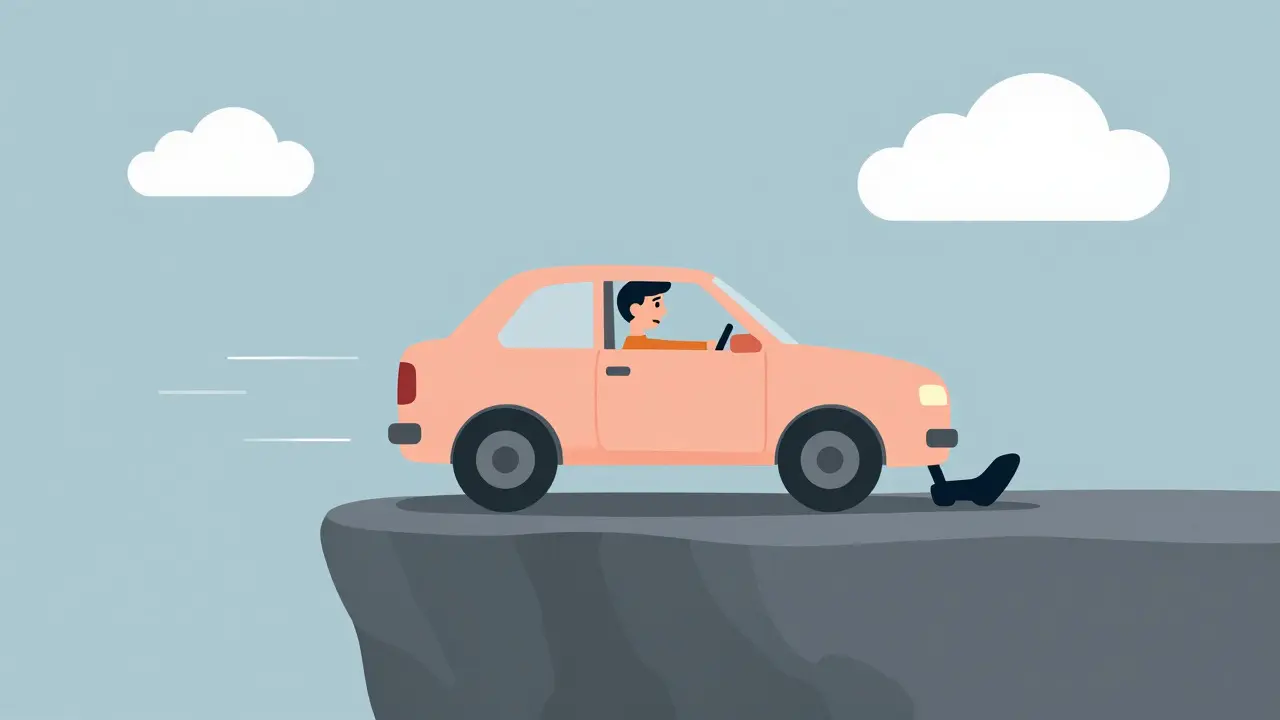
Imagine your emotions are like a car with no brakes. You’re speeding toward a cliff, screaming internally to stop, but your foot is stuck on the gas pedal. For people living with Borderline Personality Disorder (BPD), this isn’t just a metaphor-it’s daily reality. The intensity of feelings can feel overwhelming, leading to impulsive actions that later bring regret or shame.
But there is a way to install those brakes. It’s called Dialectical Behavior Therapy (DBT), an evidence-based treatment developed by Dr. Marsha Linehan specifically for emotional dysregulation. Unlike standard talk therapy, which often focuses on understanding *why* you feel a certain way, DBT focuses on *what* you do about it right now. It gives you concrete tools to survive crises without making things worse.
What Is DBT and Why Does It Work?
Dialectical Behavior Therapy was created in the late 1980s at the University of Washington. Dr. Linehan noticed that traditional cognitive-behavioral therapy wasn’t enough for patients who were chronically suicidal or self-harming. She combined behavioral techniques with mindfulness practices from Eastern traditions. The result? A therapy that balances acceptance (you are doing the best you can) with change (but you need to do better).
The science backs this up. According to the National Institute for Health and Care Excellence (NICE), DBT is the first-line treatment for BPD with a history of self-harm. Research shows it reduces self-harm incidents by 46% compared to usual care. More importantly, it cuts suicide attempts by half within the first year. That’s not just statistics; that’s lives changed.
The Four Pillars of DBT Skills
DBT isn’t vague advice like “just relax.” It’s structured into four specific modules. Think of these as your toolkit. You don’t use all the tools at once; you pick the one that fits the problem.
- Mindfulness: Learning to pay attention to the present moment without judging it.
- Distress Tolerance: Surviving crises without making them worse.
- Emotion Regulation: Understanding and changing intense emotions.
- Interpersonal Effectiveness: Asking for what you need while keeping relationships intact.
Crisis Planning: Your Emergency Kit
When you’re in the middle of an emotional storm, logic goes out the window. This is where crisis planning comes in. These are the skills you use when you feel like you might self-harm, lash out, or make a reckless decision. They are designed to lower your physiological arousal so you can think again.
1. The STOP Skill
This is your first line of defense. When you feel the urge to act impulsively:
- Stop. Freeze. Don’t move.
- Take a step back. Physically or mentally create distance.
- Observe. What am I feeling? What is happening inside me? What is happening outside?
- Proceed mindfully. Act based on what will help you reach your goals, not your impulses.
2. TIP Skills for Immediate Relief
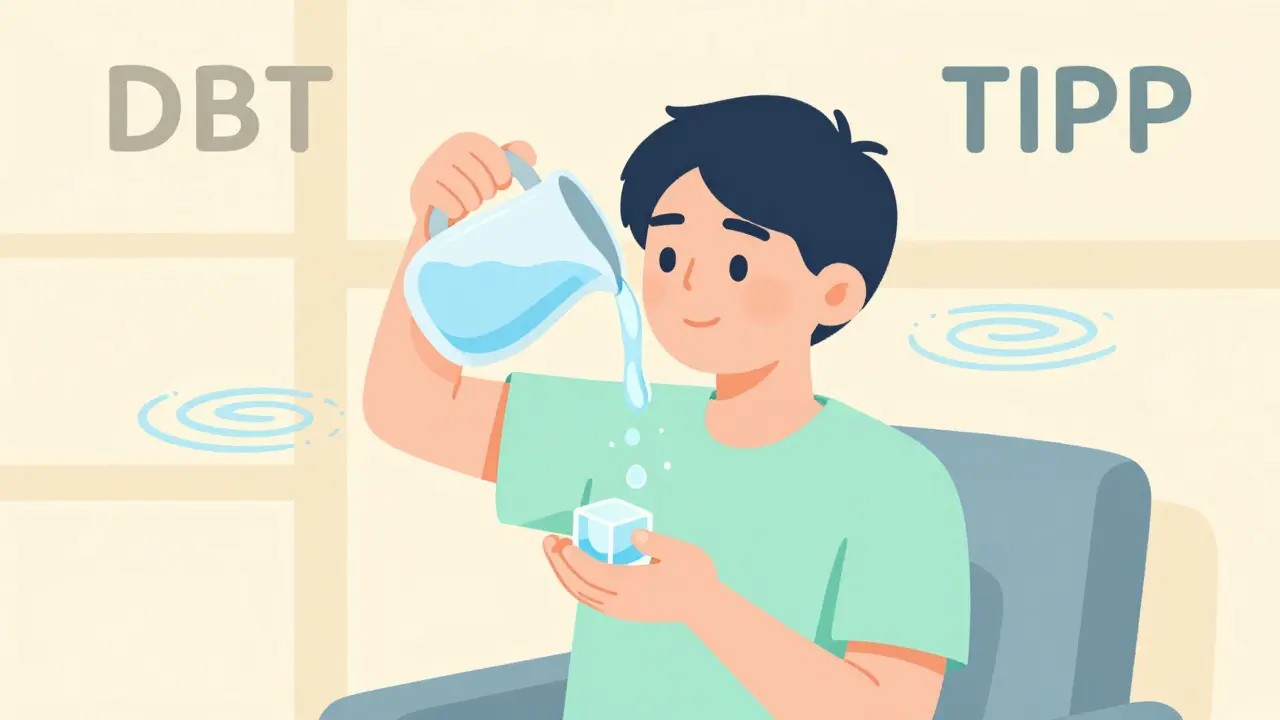
If stopping isn’t enough, you need to change your body chemistry quickly. The TIPP skill targets your nervous system directly:
- Temperature: Splash ice-cold water on your face or hold an ice cube. This triggers the "dive reflex," slowing your heart rate instantly.
- Intense Exercise: Do jumping jacks, run in place, or lift something heavy for 20 seconds. Burn off the adrenaline.
- Paced Breathing: Breathe slowly and deeply. Inhale for 4 seconds, hold for 4, exhale for 6.
- Paired Muscle Relaxation: Tense your muscles tightly while exhaling, then release.
3. ACCEPTS and IMPROVE
If you have more time, use distraction or meaning-making strategies:
- ACCEPTS: Activities, Contributing to others, Comparisons (to past struggles), Emotions (watch a movie that makes you cry/laugh), Pushing away (visualize pushing the pain away), Thoughts (do a puzzle), Sensations (eat a sour candy, take a hot shower).
- IMPROVE: Imagery (visualize a safe place), Meaning (find purpose in suffering), Prayer/Spirituality, Relaxation, One thing in the moment, Vacation (take a mental break), Encouragement (talk to yourself kindly).
Managing Daily Emotions
Crisis skills are for emergencies. For daily life, you need emotion regulation. Many people with BPD have high emotional sensitivity-they feel things faster, stronger, and longer than others. You can’t change your sensitivity, but you can change how you respond.
PLEASE: Build Physical Emotional Well-being
Your emotions are tied to your physical health. If your body is struggling, your emotions will too. The PLEASE acronym reminds you to:
- Process physical illness.
- Learn balanced eating (avoid blood sugar crashes).
- Avoid mood-altering drugs (including alcohol).
- Sleep well (balance rest).
- Exercise regularly.
ABC: Accumulate Positive Moments
It’s hard to regulate negative emotions if you never experience positive ones. Intentionally build joy into your day:
- Accumulate positive moments (listen to music, pet a dog).
- Build mastery (do tasks you’re good at to feel competent).
- Cope ahead (prepare for upcoming stressful events).
Interpersonal Effectiveness: Getting What You Need
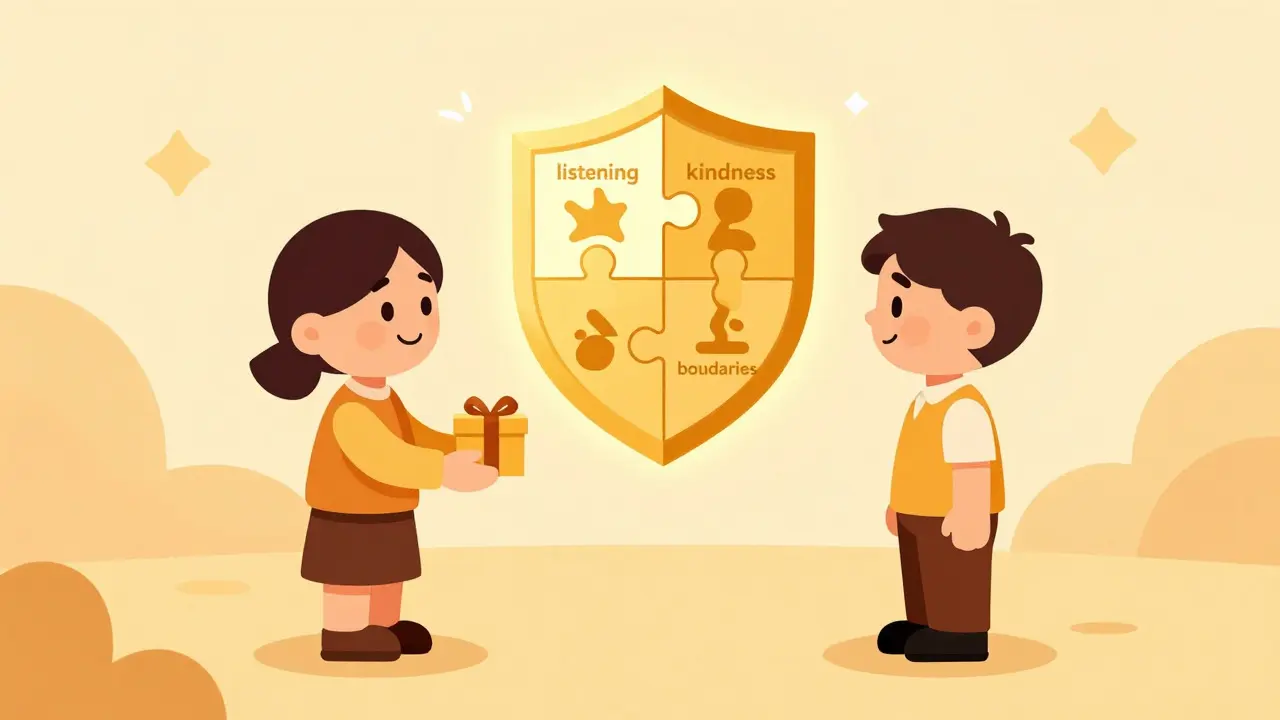
Relationships are often a major trigger for people with BPD. Fear of abandonment can lead to clinginess or anger, pushing people away. DBT teaches you how to ask for what you want while respecting yourself and others.
DEAR MAN: Assertiveness
Use this when you need to ask for something or say no:
- Describe the situation objectively.
- Express your opinion or feeling.
- Assert yourself (ask clearly).
- Reinforce the other person (explain why it helps them too).
- Mindful (stay on topic).
- Appear confident (body language matters).
- Negotiate (be willing to give to get).
GIVE and FAST: Maintaining Relationships and Self-Respect
While DEAR MAN gets you what you want, GIVE keeps the relationship healthy:
- Gentle manner.
- Interest in the other person.
- Validate their perspective.
- Easy manner (smile, be kind).
And FAST protects your self-respect:
- Fair to both sides.
- Avoid unnecessary apologies.
- Stick to your values.
- Truthful.
| Skill | Best Used When... | Key Action |
|---|---|---|
| STOP | You feel an impulse to act rashly | Pause and observe before acting |
| TIPP | Emotions are physically overwhelming (panic, rage) | Change body temperature or exertion |
| ACCEPTS | You need to distract yourself from pain | Engage senses or thoughts elsewhere |
| IMPROVE | You need to find meaning or comfort | Visualize, pray, or encourage self |
How to Start Your DBT Journey
Learning DBT takes time. Most comprehensive programs last 6 to 12 months. You’ll typically attend weekly individual therapy, a two-hour skills group, and have access to phone coaching for crises between sessions. Yes, it’s a commitment. But remember, the alternative is often repeated cycles of crisis and recovery.
Start small. Pick one skill-maybe STOP or TIPP-and practice it when you’re calm. Then try using it when you’re mildly stressed. By the time a real crisis hits, the skill will be more familiar. Keep a worksheet on your fridge. Use apps like DBT Coach for reminders. And be patient with yourself. Mastery takes months, not days.
Common Challenges and How to Overcome Them
Many people quit DBT early because it feels rigid or overwhelming. Here’s the truth: the worksheets look scary at first. But they become simpler with practice. If you struggle with homework, tell your therapist. They can adjust the pace. If you feel judged, remind yourself that DBT is about non-judgmental observation. You are not broken; you are learning new ways to cope.
Also, don’t underestimate the power of community. Connecting with others who understand BPD can reduce isolation. Online forums and support groups offer validation and practical tips from people who’ve been there.
Is DBT only for people with Borderline Personality Disorder?
No. While DBT was originally developed for BPD, it is now used effectively for depression, anxiety, eating disorders, PTSD, and substance use disorders. Anyone struggling with intense emotions or impulsivity can benefit from DBT skills.
How long does it take to see results from DBT?
Most people notice some improvement in self-harm behaviors within the first few months. Significant changes in emotional regulation and relationship satisfaction typically emerge after 6 to 12 months of consistent practice. Research shows effects are sustained even after treatment ends.
Can I learn DBT skills on my own without a therapist?
You can learn the basics through workbooks and apps, but comprehensive DBT includes individual therapy and phone coaching, which are crucial for personalized guidance. Self-help is a good start, but working with a certified DBT therapist yields better long-term outcomes, especially for severe symptoms.
What if I don’t have access to a DBT-certified therapist?
Telehealth has expanded access significantly. Look for online directories of certified DBT providers. If none are available near you, consider DBT-informed therapists or group workshops. Workbooks like "The Dialectical Behavior Therapy Skills Workbook" can also provide structured learning while you search for professional support.
How is DBT different from CBT?
Cognitive Behavioral Therapy (CBT) focuses on changing negative thought patterns. DBT includes CBT techniques but adds mindfulness and acceptance strategies. DBT also emphasizes interpersonal effectiveness and distress tolerance, making it more suitable for chronic emotional dysregulation and self-harm behaviors.