
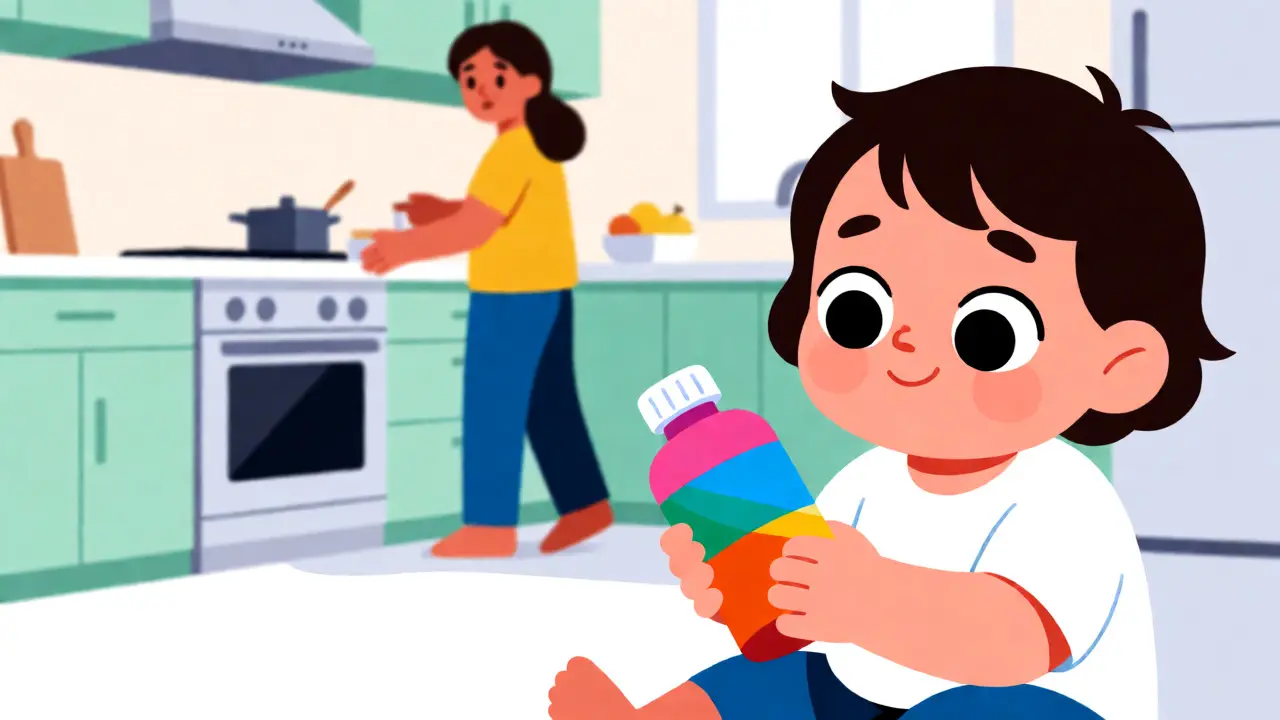
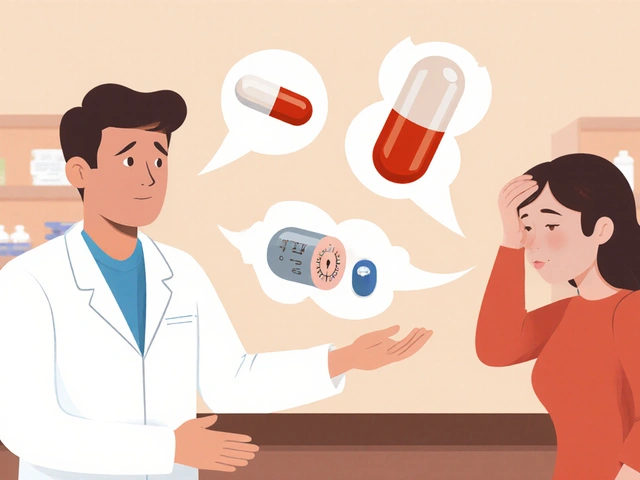
You’re making dinner, the toddler is playing nearby, and you glance over to see them holding a bottle of your blood pressure meds. Or maybe you just gave your baby infant acetaminophen, only to realize later that the concentration changed because you grabbed the wrong box from the cabinet. These aren’t rare hypotheticals; they are the daily reality for thousands of parents. Accidental pediatric medication overdose is one of the most common reasons children under five end up in the emergency room. The scary part? Most of these incidents happen right inside the home, often involving medications prescribed for adults or even routine over-the-counter pain relievers.
The good news is that this crisis is largely preventable. It doesn’t require medical degrees or expensive gadgets-just a shift in habits and a better understanding of how young kids interact with their environment. If you have small children at home, knowing exactly how to store medicines, measure doses, and react in an emergency can save you a terrifying trip to the ER and potentially save a life.
Why Kids Under Five Are at High Risk
It’s not just bad luck. Children between six months and five years old are developmentally wired to explore the world through touch and taste. A pill looks like candy. A colorful syrup tastes sweet. Unlike older kids or adults, toddlers don’t understand cause and effect when it comes to medicine. They don’t know that swallowing three pills instead of one might make them sick. This natural curiosity, combined with their small body weight, means that even a small amount of adult medication can lead to a serious overdose.
Data backs this up. According to the Centers for Disease Control and Prevention (CDC), emergency department visits for unsupervised medication exposures among young children peaked around 76,000 visits annually in recent years. That’s a massive number for something we think of as "rare." The risk isn't evenly distributed across all drugs, either. Liquid acetaminophen (Tylenol) and diphenhydramine (Benadryl) account for nearly half of all pediatric overdose cases. Why? Because they are everywhere, they are sweet-tasting, and they are often stored in easy-to-reach places like nightstands or kitchen counters.
The Three Pillars of Prevention: Packaging, Dosing, and Storage
Trying to watch a toddler every second is impossible. Instead, experts recommend a layered defense strategy known as the PROTECT Initiative approach, which focuses on packaging, standardization, and education. You don’t need to implement all of it perfectly, but adopting even two of these pillars significantly lowers your risk.
Packaging: Child-Resistant Doesn’t Mean Child-Proof
Most liquid medications come in bottles with child-resistant caps. But here is the critical mistake many parents make: they assume the cap is secure once it clicks. It’s not. You must push down firmly and twist until you hear the click. Even then, about 10% of four-year-olds can figure out how to open these containers. Never leave a opened bottle on the counter while you go to the bathroom or answer the door. The moment you stop using it, put it away.
Dosing: Stop Using Kitchen Spoons
If you take away only one tip from this article, let it be this: throw away the kitchen spoon. Studies show that 40% of parents make at least one dosing error when giving liquid medicine, and the biggest culprit is using household spoons. A teaspoon can vary wildly in volume depending on whether it’s a soup spoon or a coffee stirrer. Always use the dosing device that came with the medication-a syringe, cup, or dropper. If you lost it, buy a new one at the pharmacy. They cost pennies and prevent milliliters vs. teaspoons confusion, which has caused serious overdoses.
Storage: Up and Away and Out of Sight
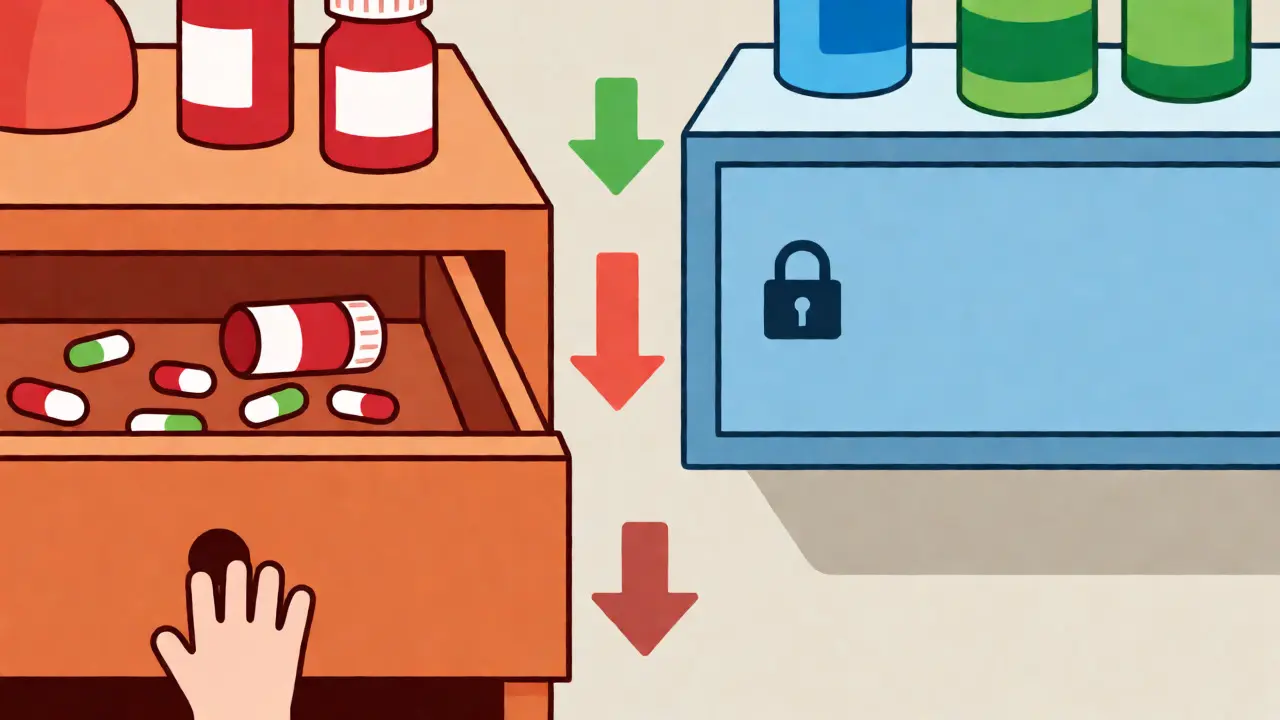
Kids are climbers. If it’s within reach, they will get it. The gold standard for storage is a locked cabinet. If you don’t have locks, place medications high up-at least four feet off the ground-and behind other items. But remember, if your child can see it, they want it. So, "out of sight" is just as important as "out of reach." Never store medications in purses, backpacks, or coat pockets where a curious hand can dig them out.
Common Pitfalls and How to Avoid Them
Even careful parents fall into traps. Here are the specific scenarios that catch people off guard.
- The Concentration Switch: Manufacturers often change the concentration of liquid medications without changing the bottle size or color dramatically. For example, infant acetaminophen used to be more concentrated than children’s acetaminophen. Parents would give the same volume (e.g., 5 mL) assuming the dose was the same, resulting in double the intended drug amount. Always read the label for mg per mL, not just the age recommendation.
- The Adult Med Mix-Up: Blood pressure meds, antidepressants, and opioids look like candy to a toddler. One study found that 78% of reported medication errors involved dosing mistakes, but accidental ingestion of adult pills is equally dangerous. Keep adult meds separate from kid meds if possible, or ensure both are locked away.
- The Grandparent Factor: When grandparents babysit, they often keep meds in their own bags or on bedside tables. Brief them specifically: "Please keep your heart pills in this locked box," rather than just saying "be careful." Visual cues work better than verbal warnings.
What To Do If An Overdose Happens
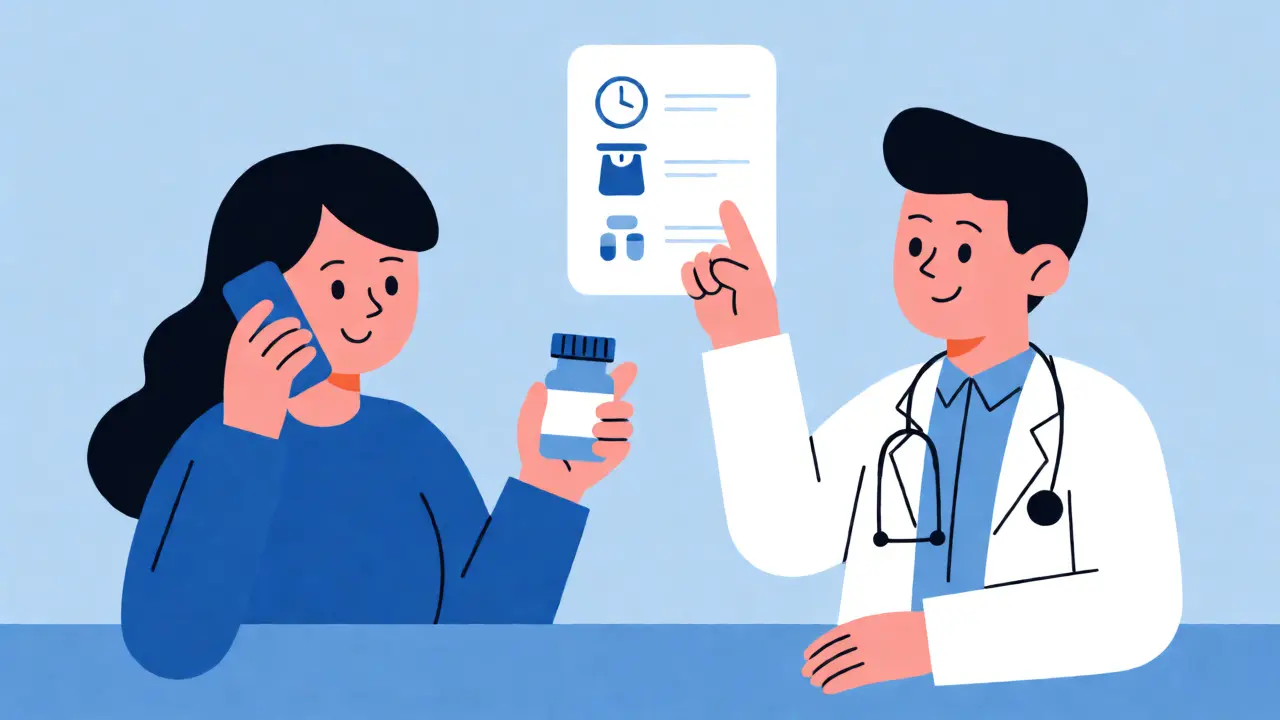
Don’t panic, but act fast. Your first step isn’t always the ER-it’s the Poison Control Center. In the US, call 1-800-222-1222. This number connects you to local toxicologists who can assess the risk based on what was taken, how much, and the child’s weight. They will tell you whether to induce vomiting (which is rarely recommended now), give activated charcoal, or head straight to the hospital.
Keep the following information ready when you call:
- What was taken: Have the bottle or packaging handy. Read the active ingredients and strength (mg).
- How much: Estimate the volume or count remaining pills.
- When: Time of ingestion matters for treatment windows.
- Symptoms: Is the child conscious? Breathing normally? Any vomiting or drowsiness?
If the child is unresponsive, having trouble breathing, or seizing, skip the phone call and dial 911 immediately. For opioid overdoses (like morphine or oxycodone), signs include pinpoint pupils, slow breathing, and extreme sleepiness. Naloxone (Narcan) is increasingly available in nasal spray form and is safe for children, but check with your pharmacist if you should keep a kit at home, especially if you have prescription opioids.
Safe Disposal of Unused Medications
Prevention continues after the course of antibiotics ends. Leftover pills sitting in a drawer are a ticking time bomb. Flushing some medications down the toilet is acceptable if listed on the FDA’s flush list, but many others should be mixed with unappealing substances (like dirt, cat litter, or used coffee grounds) in a sealed bag before throwing them in the trash. Better yet, use a take-back program. Many pharmacies and police stations offer free drop-off boxes. Don’t wait for "National Take Back Day"-do it as soon as the medication is no longer needed.
| Action | Best Practice | Common Mistake |
|---|---|---|
| Dosing Device | Use original syringe/cup marked in mL | Using kitchen spoons or guessing |
| Storage Location | Locked cabinet or >4ft high, out of sight | Nightstand, purse, or low shelf |
| Packaging Check | Push-down-and-twist until click | Assuming screw-top is secure |
| Disposal | Take-back program or mix with waste | Leaving unused meds in drawer |
Frequently Asked Questions
Is child-resistant packaging enough to prevent overdose?
No. While child-resistant caps reduce access by about 50%, they are not foolproof. About 10% of four-year-olds can open them. Additionally, many medications (like inhalers or eye drops) do not come in child-resistant packaging. Always combine packaging safety with proper storage out of sight and reach.
Can I use a regular spoon to give medicine if I don't have the measuring cup?
You should avoid it. Household spoons vary significantly in size. A tablespoon can range from 10mL to 15mL depending on the manufacturer. This inconsistency leads to frequent dosing errors. If you lose the measuring device, pick up a standard oral syringe from any pharmacy for less than a dollar.
What is the difference between infant and children's acetaminophen?
Historically, infant formulations were more concentrated (more mg per mL) than children's versions. Although manufacturers have standardized concentrations in recent years to reduce confusion, you must still check the label. Giving a volume meant for a less concentrated formula to a product that is more concentrated can result in a double dose. Always measure by milligrams (mg) if possible, not just volume.
Should I induce vomiting if my child swallows pills?
Do not induce vomiting unless instructed by Poison Control or a doctor. Inducing vomiting can sometimes cause more harm, such as aspiration (inhaling vomit into the lungs), especially if the substance is caustic or if the child is drowsy. Call 1-800-222-1222 first for specific guidance based on the medication ingested.
Are vitamins safe for toddlers?
Not necessarily. Gummy vitamins often taste like candy and are frequently consumed in large quantities by children. While water-soluble vitamins (like C and B) are usually excreted, fat-soluble vitamins (A, D, E, K) and iron supplements can cause serious toxicity if overdosed. Treat vitamins like medicine: store them out of reach and limit access.
Christopher Ornelas
September 4, 2026 AT 18:46Actually, the article misses a crucial point about pharmacokinetics in toddlers. Their metabolic rates are significantly higher than adults, which means drugs clear faster but also peak quicker. This is why 'wait and see' is dangerous.
I've seen this firsthand with my nephews. The standard advice is good, but parents need to understand that body weight isn't linear with drug tolerance. A 10kg child isn't just a small adult; their liver enzymes work differently.
danica negs
September 6, 2026 AT 07:28It breaks my heart-and frankly, it makes me furious-to read these statistics. Seventy-six thousand visits?! That is not a statistic, that is seventy-six thousand families having their lives turned upside down because someone was too lazy to lock a drawer!
We have become such a careless society. We treat life-saving medicine like candy because we are complacent. I am absolutely appalled by the idea that grandparents leave pills on nightstands. It is not just negligence; it is a moral failure of basic supervision. If you cannot handle the responsibility of watching your grandchild, do not take them! The audacity of modern parenting to assume everything will be fine without active vigilance is staggering. We must hold ourselves to a higher standard, for the sake of our innocent children.
Stephanie Adams
September 7, 2026 AT 16:15Hey everyone, just wanted to add a chill perspective here. 🌿
I moved from India to the US recently, and one thing that surprised me was how much medication people keep out in the open. In many cultures, there's a stronger communal sense of watching over kids, but even then, storage habits vary.
The tip about throwing away kitchen spoons is gold. Seriously, grab those syringes. They're cheap and they save you so much stress. Also, don't beat yourself up if you make a mistake-parenting is hard enough without the guilt trip. Just stay alert and keep things tidy. You got this! ✨
Taylor Tomita
September 9, 2026 AT 13:14As a pharmacist, I want to reinforce the dosing device point. It is the single most common error we see at the counter.
When patients ask for a replacement cup or syringe, I always recommend buying two. One for home, one for the diaper bag or purse. Consistency reduces errors.
Also, regarding the concentration switch: manufacturers did standardize acetaminophen concentrations a few years ago to help with this exact issue. However, ibuprofen still varies between infant drops and children's suspensions. Always check the mg/mL label every single time you buy a new bottle, even if it looks the same as last time. Better safe than sorry.
Henrietta Freeman
September 11, 2026 AT 06:35You know what’s really suspicious? The fact that pharmaceutical companies change bottle colors and shapes just enough to confuse us, but never enough to actually prevent accidents. 😐
It feels intentional. Like they want us to mess up so we go back to the doctor. And let’s talk about the "grandparent factor." Why are grandparents always the ones holding the keys to the danger zone? It’s almost like they’re testing fate. 🤔
Anyway, I’m going to buy a lockbox today. Not because I trust the packaging (I don’t), but because I don’t trust the system. Or maybe I’m just paranoid. Who knows anymore? 👀
Aditya Tiwari
September 12, 2026 AT 06:51THIS IS EXACTLY WHAT HAPPENS WHEN YOU DON'T HAVE PROPER DISCIPLINE!!!
In my country, we teach respect for medicine from age three!!! You don't just throw it around like trash!!! These American parents... oh, please!!! They spend all day on phones and then wonder why kids eat pills???
Lock the cabinet!!! Lock it tight!!! Use a key!!! Don't rely on some plastic cap that a monkey could open!!! It is pathetic!!! Absolute disgraceful negligence!!! Fix your homes!!! Fix your priorities!!! Stop being lazy!!!
Respect the medicine!!! Respect the child!!! Simple as that!!! No excuses!!!
Josie Parry
September 14, 2026 AT 03:07the essence of care is presence... 🧘♀️
we try to control the environment with locks and caps, but can we ever truly control chaos? perhaps the overdose is a metaphor for our lack of mindfulness... 🌪️
i feel like we are disconnected from the physical reality of our bodies. we medicate without understanding. it’s sad. really sad. 😢
just breathe. look at the pill. respect its power. that is the only true prevention.
Daniel Beckett
September 15, 2026 AT 19:55Hello friends, I hope this message finds you well and in good spirits today. I wanted to take a moment to express how truly grateful I am for articles like this one, because they serve as such a gentle yet powerful reminder of the responsibilities we carry as caregivers in our daily lives.
It is wonderful to see that there are practical steps we can take, such as using the correct measuring devices and ensuring our storage solutions are robust and reliable. Every small action we take towards safety is a testament to our love and dedication to our little ones. Please remember that mistakes happen, but learning from them allows us to grow stronger and more vigilant.
Keep up the great work, everyone. You are doing an amazing job, and your children are lucky to have such thoughtful parents looking out for their well-being. Stay positive, stay safe, and continue to spread kindness wherever you go.
Ankur Saini
September 16, 2026 AT 10:22yeah this is super important stuff man. i used to use a spoon too until my kid got sick from too much tylenol. scared the hell out of us. now we only use the syringe. simple fix but saves so much drama. good post.
Sayan Kanjilal
September 18, 2026 AT 02:33ughhh this topic gives me anxiety just reading it 😩
i literally have nightmares about my niece swallowing something weird. it’s so draining worrying about it 24/7. you feel like you’re failing if you blink.
and the guilt?? oh god the guilt. if something happens, everyone looks at you like you didn’t watch closely enough. it’s exhausting. i hate that it’s this big deal. why does everything have to be so stressful?? 😫
Andrew wyatt
September 18, 2026 AT 21:24great tips! definitely gonna get a lock box. thanks for sharing!