
Every year, over 250,000 medication mistakes happen in U.S. nursing homes - and most go unnoticed. For older adults taking five, ten, or even fifteen different pills a day, a single error can mean hospitalization, brain damage, or death. These aren’t just rare accidents. They’re preventable. And if you’re caring for an elderly parent, spouse, or neighbor, knowing how to spot and report these mistakes could save a life.
What Counts as a Medication Mistake?
A medication error isn’t just giving the wrong pill. It’s any time a drug is used incorrectly - and the elderly are at the highest risk. The most common mistakes include:- Wrong dose: Too much or too little - especially with blood thinners, insulin, or blood pressure meds
- Wrong time: Medication given hours late, or twice in one day
- Wrong drug: Giving acetaminophen when the patient is already on it under a different brand name
- Wrong route: A pill meant to be swallowed is crushed and given through a feeding tube
- Missing monitoring: Not checking kidney function before giving certain drugs, or not watching for dizziness after a new prescription
One study found that 42.7% of errors in nursing homes involve dosage mistakes. Another found that 38.4% come from prescribing errors - like doctors writing prescriptions without knowing what else the patient is already taking. And here’s the scary part: 76% of errors in seniors with low health literacy could be prevented with simple communication techniques like the "teach-back" method - where you ask the patient to repeat back what they were told.
How to Spot a Medication Error
You don’t need to be a nurse to catch mistakes. Start with the Five Rights - a simple checklist used by healthcare workers:- Right patient: Is this medication meant for the person you’re giving it to? Check the name on the bottle.
- Right drug: Does the name on the label match the prescription? Watch for similar-sounding names like "Lopressor" and "Loniten."
- Right dose: Is the pill count correct? A 5mg tablet shouldn’t be split into four pieces unless the doctor ordered it.
- Right route: Is it supposed to be swallowed, injected, or applied as a patch? Never crush a time-release pill.
- Right time: Is it being given at the scheduled time? Some meds need to be taken on an empty stomach; others with food.
Also check for:
- Expired pills - especially in drawers or pill organizers
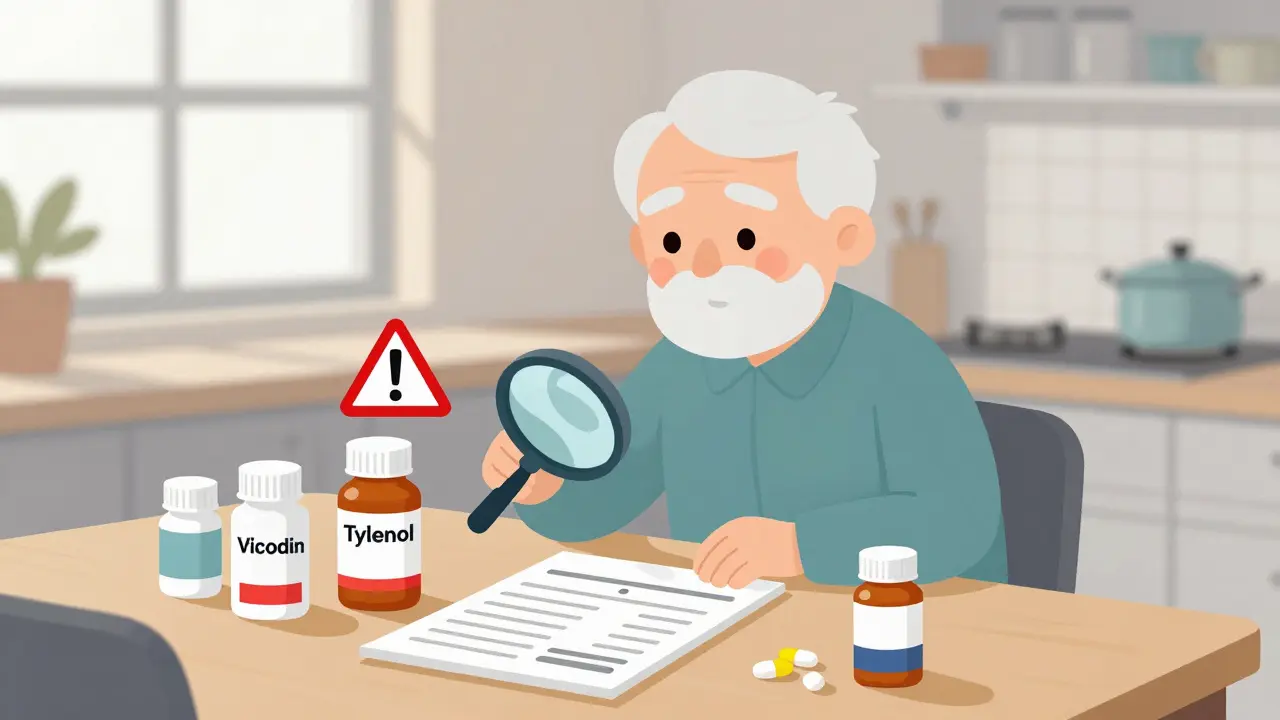
- Multiple prescriptions for the same drug (e.g., Tylenol and Vicodin - both contain acetaminophen)
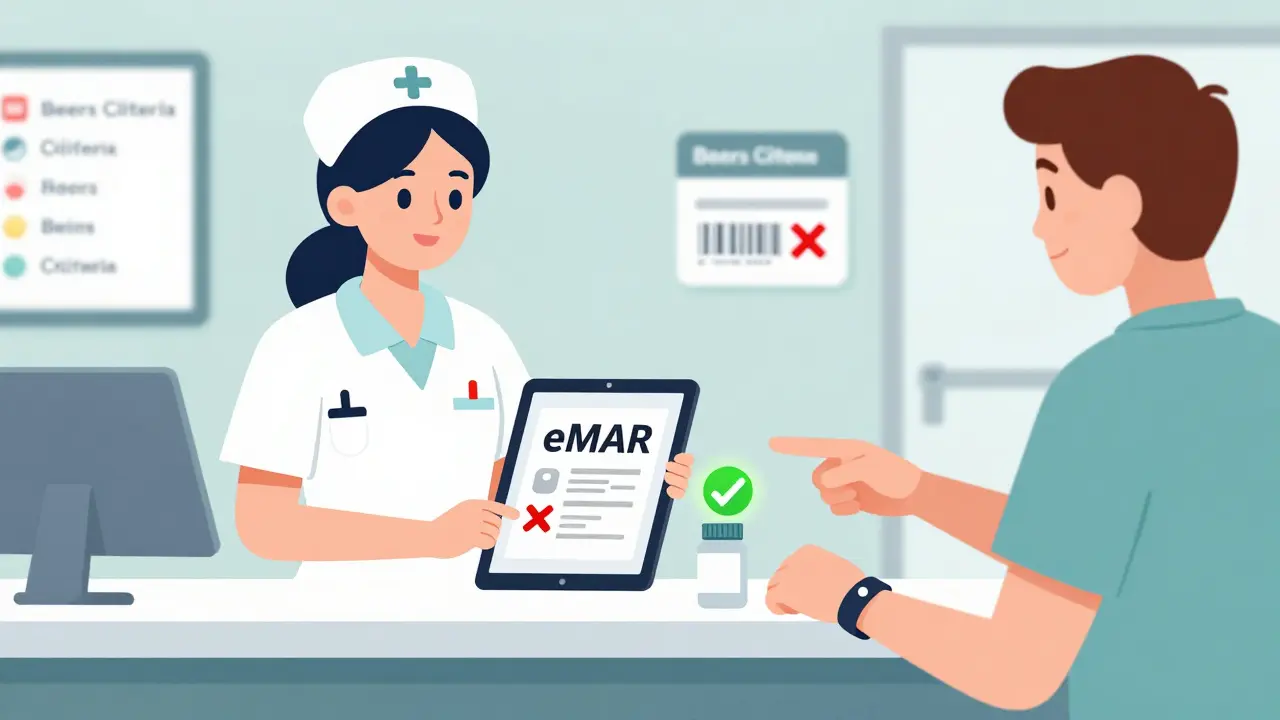
- Drugs listed on the Beers Criteria® - the official list of 34 medications that are too risky for seniors
- Sudden confusion, falls, or dizziness after a new prescription
One family in Adelaide noticed their mother started stumbling after a new sleep aid was added. They looked up the drug and found it was on the Beers list. They called the doctor - and the med was stopped. No hospital visit needed.
What to Do When You Find a Mistake
Don’t wait. Don’t hope it was a one-time thing. Act fast.Step 1: Stop the error. If you’re about to give a pill and something feels off - pause. Don’t assume the nurse or pharmacist knows better. Ask: "Can we double-check this?"
Step 2: Document everything. Write down:
- Date and time of the error
- Medication name, dose, and what was actually given
- Who gave it (if known)
- Any symptoms the person showed afterward
Take photos of pill bottles, labels, and medication logs. This isn’t being suspicious - it’s being smart.
Step 3: Report it immediately. If it’s life-threatening - like an overdose or allergic reaction - call 911 or the National Response Center at 1-800-332-1088. Then call the prescribing doctor.
For non-emergencies, follow this chain:
- Notify the facility’s nurse or pharmacist
- Ask for an incident report to be filed
- If they refuse or brush you off, contact your state’s Long-Term Care Ombudsman Program at 1-800-677-1116
One Reddit user shared how their mother was given double her blood pressure dose. The facility refused to file a report - until they threatened to call the state ombudsman. Within 72 hours, the error was documented, the staff was retrained, and the family got a full explanation.
Why Reporting Matters - And Why It’s Often Ignored
Most facilities don’t report errors because they fear punishment. Staff are scared of losing their jobs. Administrators worry about bad reviews or fines. But here’s the truth: voluntary, confidential reporting saves lives.The MEDMARX system - used by over 1,800 U.S. healthcare facilities - captures 83.6% of all medication errors because it focuses on fixing systems, not blaming people. Facilities that use it see 78.3% of their staff make process changes within 90 days of an error report.
But only 47.8% of nursing homes use formal reporting systems. Rural homes report 63% fewer errors than urban ones - not because they’re safer, but because they lack trained safety officers.
And here’s what no one tells you: 83.6% of families who report errors face initial denial. Staff will say, "It was just a one-time mistake," or "The resident was confused." Don’t believe it. The real problem is often understaffing - with only 2.1 nurses per 100 residents in many facilities.
What’s Being Done to Fix This?
The system is changing - slowly.- By 2025, all U.S. nursing homes must use electronic medication administration records (eMAR) - which track who gives what, when.
- Barcode systems that scan pills and patient wristbands cut administration errors by 86%.
- AI tools like MedAware predict dangerous drug combinations with 94.3% accuracy.
- The FDA now requires serious medication errors to be reported through MedWatch.
- New federal rules impose $10,000 fines per unreported serious error.
But technology alone won’t fix this. The biggest breakthrough? Medication reconciliation - a full review of all drugs every time a patient moves between home, hospital, or nursing home. Dr. Lucian Leape says this single step could prevent 67% of adverse events in seniors on five or more medications.
What You Can Do Today
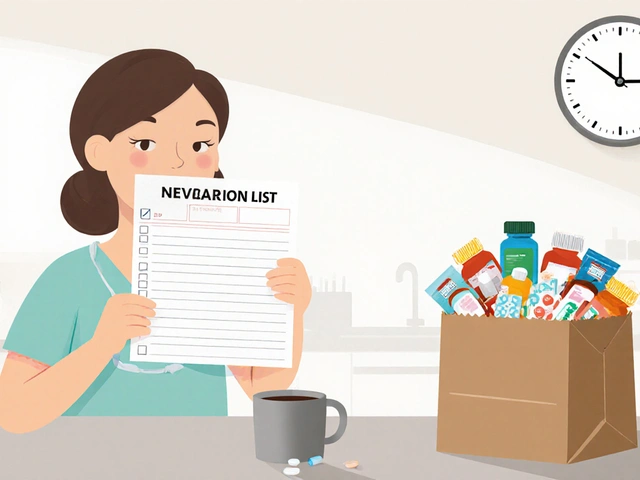
You don’t need to wait for policy changes. Start here:- Keep a printed, updated list of every medication - including doses, times, and why it was prescribed. Update it every time the doctor changes something.
- Ask the pharmacist: "Is this drug on the Beers Criteria? Is it safe for someone her age?"
- Use a pill dispenser with alarms - but check it weekly to make sure it’s working.
- Visit at different times - not just when you’re expected. Watch how meds are given.
- Learn the Five Rights. Teach them to other family members.
- Know your state’s reporting timeline: 24 hours in California, 48 in New York, 72 in Texas.
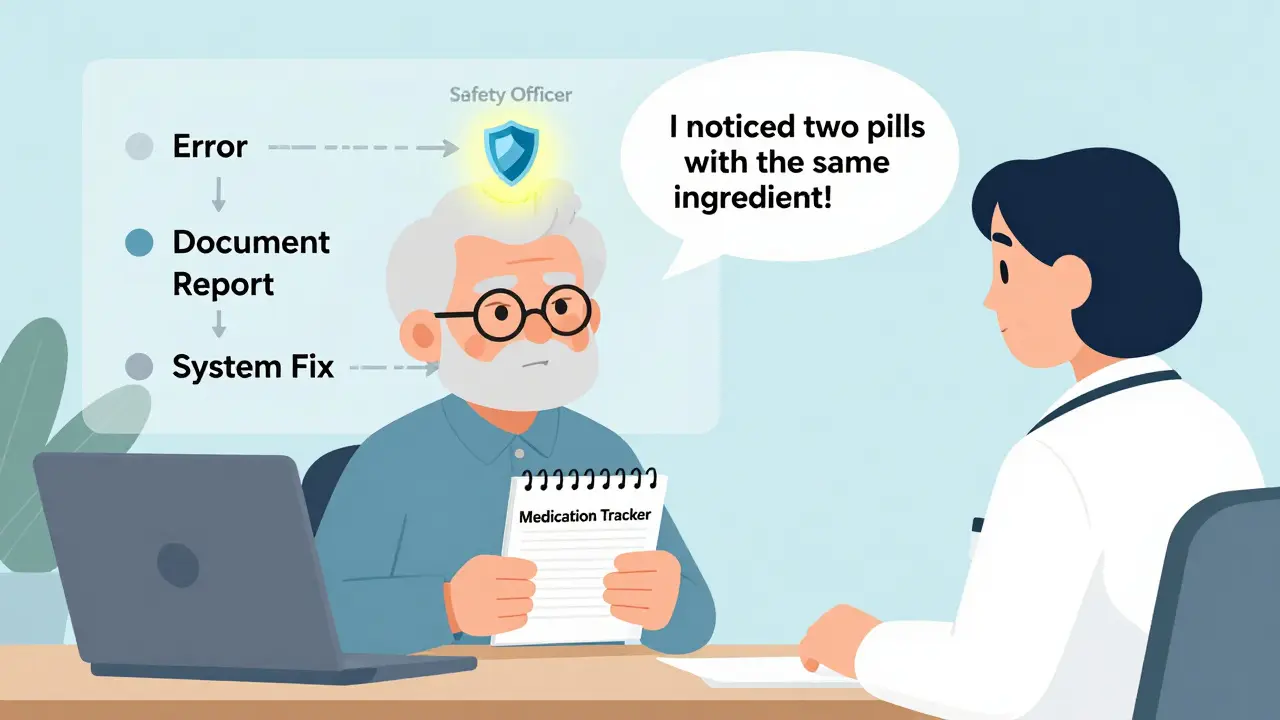
One woman in Adelaide started using a simple notebook to track her father’s meds. She noticed he was getting two different pills with the same active ingredient. She called the pharmacy. They had misprinted the label. No harm done - because she caught it.
Final Thought: You’re Not Just a Family Member. You’re a Safety Officer.
Medication errors in the elderly aren’t accidents. They’re system failures. And if you’re the one who notices - you’re the one who can fix it. Don’t wait for someone else to speak up. Don’t assume "they know what they’re doing." Your vigilance is the last line of defense.Document. Question. Report. Repeat.
What should I do if a nursing home refuses to report a medication error?
If a facility refuses to file an incident report, immediately contact your state’s Long-Term Care Ombudsman Program at 1-800-677-1116. They have legal authority to investigate and can demand documentation. Also file a report with the FDA’s MedWatch program for serious adverse events. Keep records of all communications - including dates, names, and what was said.
Can I report a medication error even if my loved one wasn’t harmed?
Yes - and you should. Many errors are caught before harm occurs, and reporting them helps prevent future mistakes. The goal of reporting isn’t to punish - it’s to improve systems. Facilities that use confidential reporting systems like MEDMARX see fewer repeat errors because they focus on fixing processes, not blaming staff.
What medications are most dangerous for seniors?
The American Geriatrics Society’s Beers Criteria® (2023 update) lists 34 medications that are risky for older adults. Top offenders include benzodiazepines (like Valium), anticholinergics (like diphenhydramine/Benadryl), NSAIDs (like ibuprofen), and certain diabetes drugs. Always ask: "Is this on the Beers list?" and "Are there safer alternatives?"
How can I tell if a medication is expired?
Check the expiration date on the bottle or label. If it’s past that date, don’t give it - even if it looks fine. Some meds, like insulin or liquid antibiotics, can become toxic or lose effectiveness after expiration. Also watch for changes in color, smell, or texture. Pill organizers with expired meds are a major red flag.
Do I need to report every small mistake?
Yes. Small mistakes often signal bigger problems. Giving a pill 30 minutes late might seem harmless - but if it’s happening regularly, it could mean the staff is overwhelmed. One delayed dose of a blood thinner can lead to a stroke. Reporting even minor issues helps uncover systemic failures before they cause serious harm.

Ivan Viktor
March 3, 2026 AT 14:53Zacharia Reda
March 3, 2026 AT 15:13Gretchen Rivas
March 4, 2026 AT 11:45Stephen Vassilev
March 5, 2026 AT 03:04Mike Dubes
March 6, 2026 AT 08:22Helen Brown
March 7, 2026 AT 07:38John Cyrus
March 8, 2026 AT 01:06John Smith
March 9, 2026 AT 21:38Sharon Lammas
March 10, 2026 AT 13:59Donna Zurick
March 12, 2026 AT 07:32Tobias Mösl
March 13, 2026 AT 11:07Ethan Zeeb
March 14, 2026 AT 09:07Darren Torpey
March 15, 2026 AT 20:47Lebogang kekana
March 17, 2026 AT 20:42Jessica Chaloux
March 19, 2026 AT 16:08