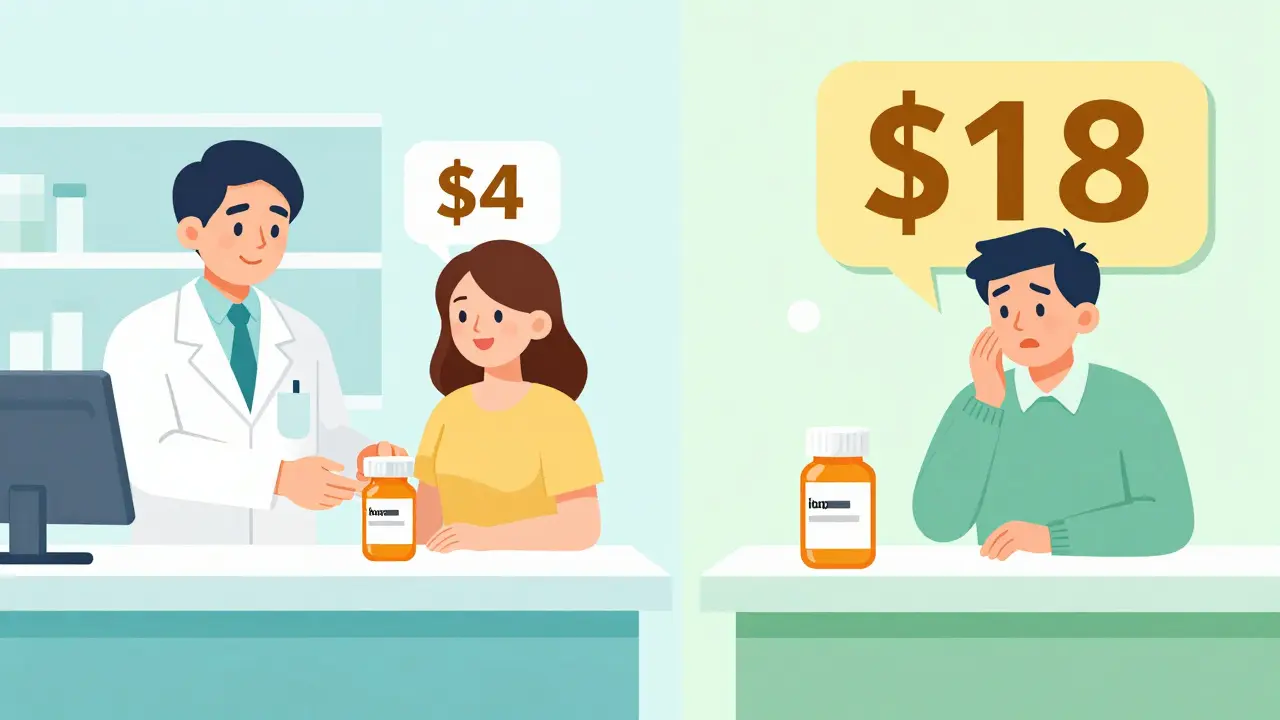
Why does a bottle of generic ibuprofen cost $4 at one pharmacy and $18 at another just down the street? For years, the pharmaceutical supply chain operated like a black box. You got a prescription, you went to the counter, and you paid whatever the register said. But that era is ending. In 2026, generic price transparency has moved from a political buzzword to a practical reality for millions of patients and providers.
The problem isn't just high list prices; it's the confusion around what you actually pay after rebates, discounts, and insurance adjustments. With new federal rules and state-level laws forcing more openness, tools have emerged to help you cut through the noise. Whether you are a patient trying to afford your meds or a clinician looking to prescribe cost-effectively, knowing which tools work-and how to use them-is critical.
What Is Generic Price Transparency?
At its core, generic price transparency means revealing the actual cost of a medication before you buy it. It’s not just about the Wholesale Acquisition Cost (WAC)-the price the pharmacy pays the manufacturer-but the net price you pay out-of-pocket. This concept gained massive traction with the Consolidated Appropriations Act (CAA) of 2021, specifically Section 204, which forced health plans to report negotiated drug prices and rebates.
By April 2025, roughly 23 states had enacted their own drug price transparency laws. Minnesota, for example, updated its Prescription Drug Price Transparency Act to include biosimilars and define treatment courses clearly. These laws aim to stop surprise bills and foster competition. However, the system remains complex. Manufacturers, Pharmacy Benefit Managers (PBMs), insurers, and pharmacies all play a role, and their private rebate deals often obscure the true market price. Transparency tools try to bridge this gap by pulling data from these disparate sources into a single, readable view.
Real-Time Benefit Tools: The Clinician’s Secret Weapon
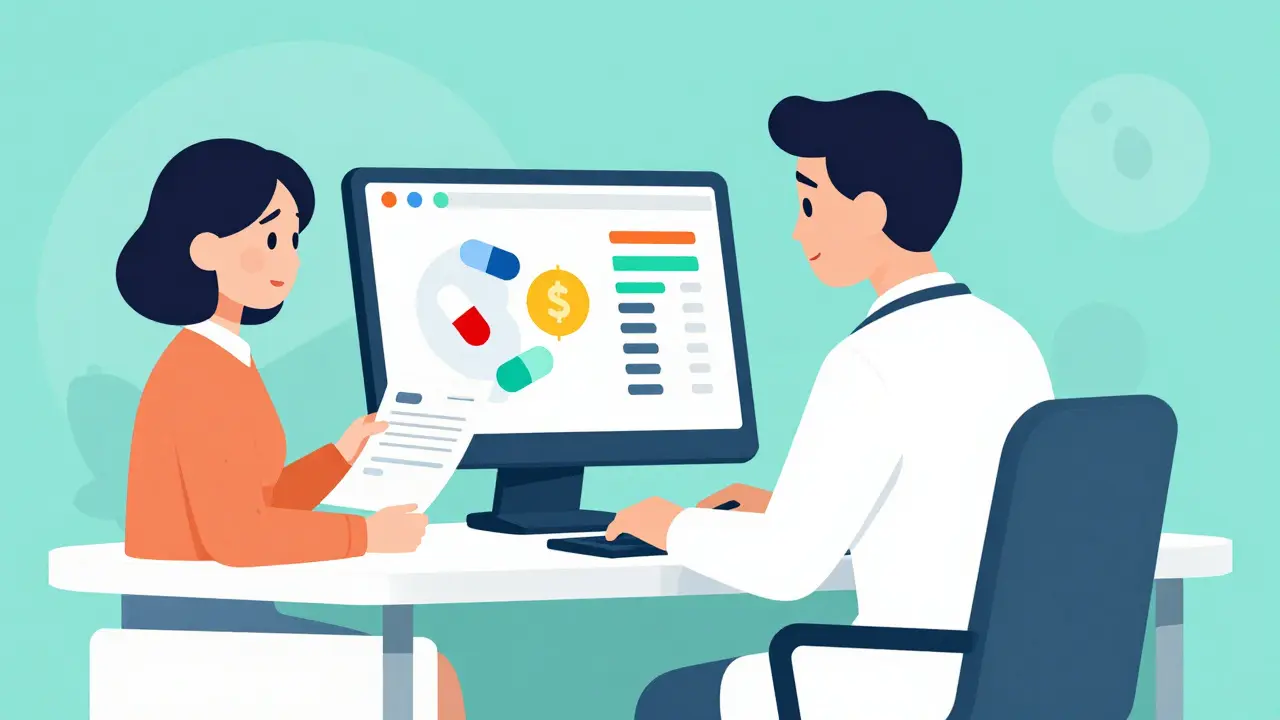
If you see a doctor who uses an Electronic Medical Record (EMR) system like Epic or Cerner, they might already be using Real-Time Benefit Tools (RTBTs). These aren’t apps you download; they are integrated directly into the prescribing workflow. When a doctor types in a medication, the RTBT queries the patient’s specific insurance plan in real-time.
CoverMyMeds is the leader here, serving over 1.2 million healthcare providers. Their platform connects via HL7 FHIR APIs to show exactly what a patient will pay. It doesn’t just show one price; it suggests lower-cost alternatives if the prescribed drug is too expensive. A physician on Reddit noted that using CoverMyMeds cut his patients’ out-of-pocket costs by 37% on average. By Q1 2025, adoption had jumped to 42% of physician practices. The key benefit? You know the price before you leave the office, avoiding the awkward conversation later when you can’t afford the script.
Consumer-Facing Apps: GoodRx, RxAssist, and More
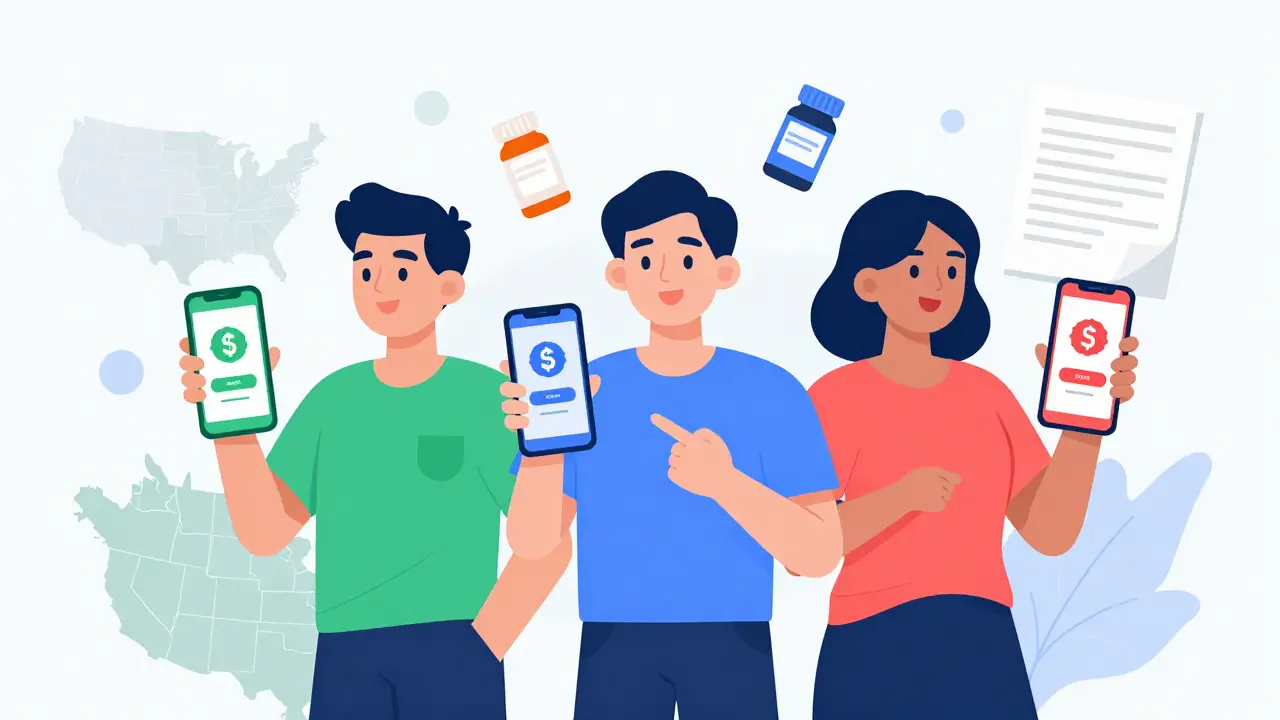
For most people, the primary tool for finding cheap generics is a smartphone app. GoodRx is the most famous, used by 43% of U.S. pharmacies according to a 2024 J.D. Power survey. You type in your medication, zip code, and insurance status, and it lists nearby pharmacies with their cash prices. Often, the uninsured cash price is cheaper than your insurance copay because of how PBMs negotiate rates.
However, be cautious. Some users report discrepancies between the app’s listed price and what the pharmacy charges upon arrival. Always call ahead. Another option is RxAssist, which focuses on patient assistance programs. While 78% of users successfully get meds through manufacturer-sponsored programs, the application process can be complex. If you’re dealing with high-cost generics or specialty drugs, these assistance platforms are worth exploring beyond simple coupon apps.
| Tool Name | Primary User | Key Feature | Limitation |
|---|---|---|---|
| CoverMyMeds RTBT | Physicians/Clinics | Integrates with EMR for real-time insurance checks | Requires EHR setup; not consumer-facing |
| GoodRx | Patients/Consumers | Compares cash prices across local pharmacies | Prices may vary in-store; excludes some insured plans |
| Surescripts RTPB | Pharmacies | Connects 85% of U.S. pharmacies for instant verification | Lower adoption among physicians (35%) |
| RxAssist | Uninsured/Underinsured | Links to manufacturer assistance programs | Complex application process; slow turnaround |
The Hidden Problem: Net Prices vs. List Prices
Here is where it gets tricky. Most transparency tools show you the WAC or the cash price, but they rarely show the "net price." The net price is what the PBM actually keeps after rebates are paid. Because these rebate deals are confidential, no tool can give you a perfect picture of the drug’s true economic value.
This opacity creates a paradox. A drug with a high list price might have huge rebates, making it attractive to insurers even if it costs the patient more upfront. Conversely, a low-cost generic might have fewer rebates, making it less favored by formularies despite being cheaper for the patient. The Drug-price Transparency for Consumers Act of 2025 (S.229) tried to fix this by requiring ads to disclose WAC, but without full net price disclosure, the system remains skewed. As Dr. Karen Van Nuys noted, transparency alone doesn’t fix a broken system where list prices bear little relation to transaction prices.
How to Use These Tools Effectively
Knowing the tools exist is half the battle. Using them correctly requires a bit of strategy. Here is how to maximize your savings in 2026:
- Ask for an RTBT Check: If your doctor doesn’t automatically check prices, ask them to run a Real-Time Benefit Tool query. Say, "Can you check if there’s a cheaper generic alternative covered by my plan?" Many doctors want to do this but lack time unless prompted.
- Compare Cash vs. Copay: Never assume your insurance copay is the lowest price. Use GoodRx or similar apps to check the uninsured cash price. Sometimes, paying cash with a discount coupon is significantly cheaper than using your deductible-heavy insurance plan.
- Verify Before Traveling: App prices change daily. If GoodRx says a pharmacy 20 miles away has a deal, call them first. Inventory shortages or system errors can lead to false advertising, as many frustrated users have reported.
- Look for State-Specific Resources: If you live in California, Minnesota, or other states with strict transparency laws, check your state’s health department website. They often publish portals showing price increases and affordability board decisions that national apps might miss.
Regulatory Shifts in 2025-2026
The landscape changed dramatically in early 2025. On March 12, 2025, CMS canceled the Medicare Two Dollar Drug List Model, a program that aimed to cap out-of-pocket costs for certain generics at $2. This was a setback for direct price controls. However, pressure continues from other angles. The Centers for Medicare & Medicaid Services (CMS) finalized rules under the CY 2024 Outpatient Prospective Payment System (OPPS) to standardize hospital price transparency files, with stricter penalties for non-compliance.
Additionally, the Prescription Drug File rule, established in 2020, is finally gaining technical guidance in 2025. This will force health plans to disclose total spending on drugs net of rebates. While this data is currently more useful for analysts than individual patients, it signals a future where net pricing becomes harder to hide. For now, consumers must rely on the combination of RTBTs and consumer apps to navigate the current gray areas.
Conclusion: Taking Control of Your Costs
Generic price transparency is no longer optional; it’s essential. The days of blindly accepting the pharmacy’s sticker price are over. By leveraging Real-Time Benefit Tools during your visit and cross-referencing with consumer apps like GoodRx afterward, you can often save hundreds of dollars annually. The system is imperfect, and hidden rebates still distort the market, but armed with the right tools and knowledge, you can make informed decisions that protect your wallet and your health.
What is the difference between WAC and net price?
Wholesale Acquisition Cost (WAC) is the base price a pharmacy pays a manufacturer for a drug. The net price is the final amount paid after all rebates, discounts, and fees are applied. Net prices are often much lower than WAC but are rarely disclosed publicly due to confidential contracts between manufacturers and PBMs.
Are Real-Time Benefit Tools free for patients?
Yes, patients do not pay directly for RTBTs. These tools are licensed by healthcare providers and integrated into their Electronic Medical Records. The cost is borne by the clinic or hospital, though implementation can be expensive for providers. Patients benefit from the service at no additional charge.
Why did the Medicare Two Dollar Drug List Model end?
The model was canceled by CMS on March 12, 2025, likely due to administrative challenges and industry pushback regarding fixed price caps. Its cancellation highlights the difficulty of implementing direct price controls in the complex U.S. pharmaceutical market, shifting focus back to transparency and negotiation rather than mandated caps.
Is GoodRx always accurate?
Not always. While GoodRx aggregates data from thousands of pharmacies, real-time inventory changes and system errors can cause discrepancies. Users have reported arriving at a pharmacy only to find a higher price than advertised. It is best practice to call the pharmacy to confirm the price and availability before visiting.
Which states have the strongest drug price transparency laws?
As of 2025, Minnesota and California are leaders. Minnesota includes biosimilars in its transparency act and has established a Prescription Drug Affordability Board. California requires manufacturers to report significant price increases. About 23 states have enacted some form of transparency law, but specifics vary widely regarding reporting requirements and enforcement.