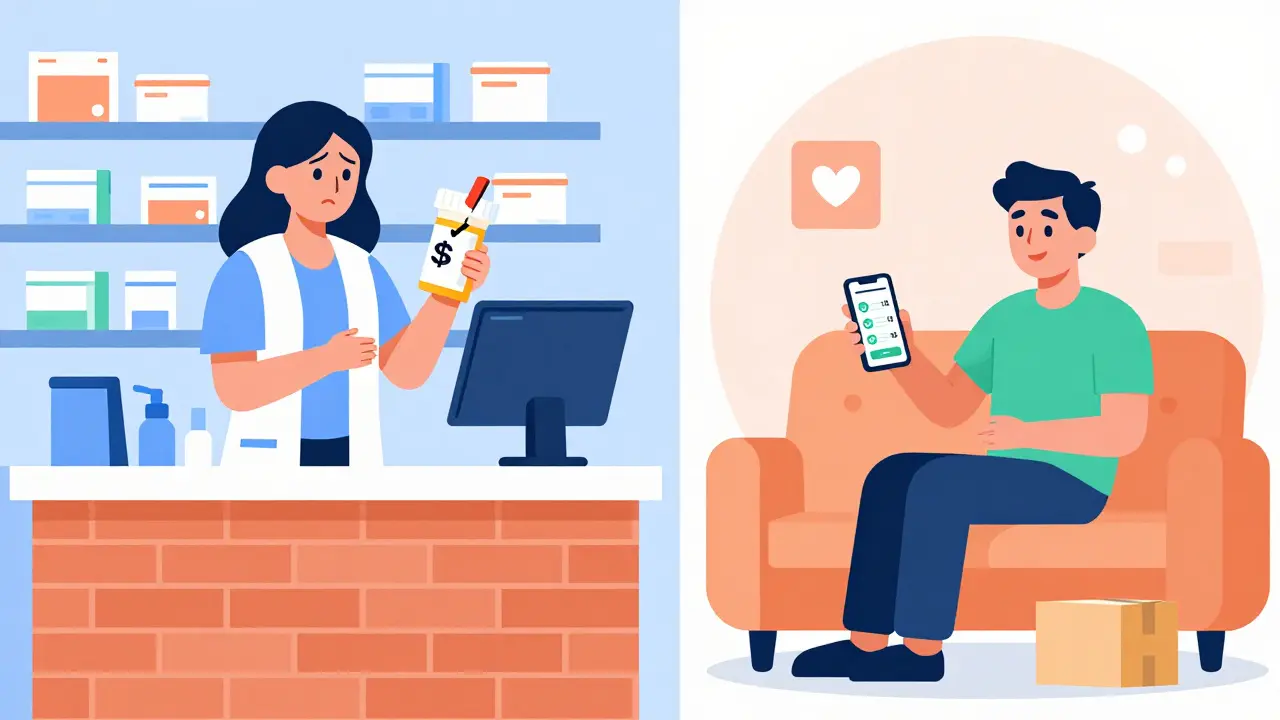
Have you ever walked into a local pharmacy, handed over your prescription for a common generic medication, and been stunned by the price tag? You’re not alone. The gap between what you pay at a traditional brick-and-mortar store and what’s available through e-pharmacies is online platforms that offer discounted prescription medications directly to consumers can be staggering. While retail pharmacies have long been the default choice for filling prescriptions, the rise of digital health solutions has introduced a new way to buy medicine-one that often saves patients hundreds, if not thousands, of dollars annually.
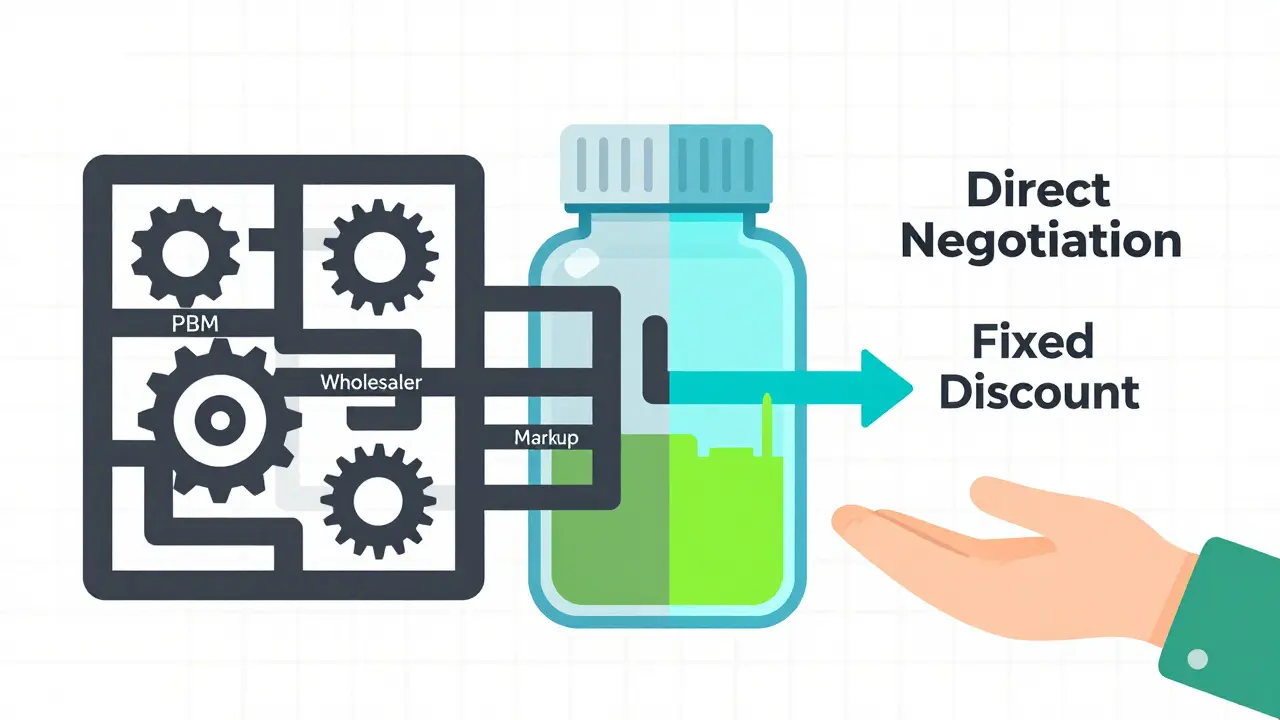
The core issue isn’t just about convenience; it’s about transparency. Traditional retail pricing is opaque, driven by complex negotiations involving Pharmacy Benefit Managers (PBMs) and wholesalers. In contrast, many online platforms bypass these intermediaries, offering direct-to-consumer pricing that cuts out the middleman. But how much cheaper are they really? And are there hidden trade-offs? Let’s break down the numbers, the mechanics, and the real-world implications of choosing an e-pharmacy over your local corner store.
Why Are Generic Drug Prices So Different?
To understand why prices vary so wildly, we need to look at how each channel calculates cost. At a typical retail pharmacy like CVS or Walgreens, the cash price for a generic drug is often calculated using a formula based on the Average Wholesale Price (AWP). A common markup might be "AWP + 20% + $5 dispensing fee." This structure ensures the pharmacy covers its overhead and makes a profit, but it doesn’t account for the actual negotiated purchase price of the drug, which can be significantly lower.
E-pharmacies and discount platforms operate differently. Services like Beem, GoodRx, and SingleCare negotiate fixed discounted rates directly with participating pharmacies. They act as price comparison engines rather than pharmacies themselves, allowing you to access the lowest available price from a local partner without needing insurance. For example, a 30-day supply of Lipitor (Atorvastatin) 20mg might cost $250 at a standard retail counter but only $50 through an online discount platform. Similarly, Metformin (500mg) could drop from $60 to $20, and Amoxicillin from $30 to $10. These aren’t anomalies; they’re the result of a streamlined model that prioritizes volume and transparency over individual markups.
- Retail Model: AWP-based markup + dispensing fees + PBM rebates (often opaque).
- E-Pharmacy Model: Direct negotiation + fixed discounts + no insurance required.
- Result: Savings of up to 80% compared to traditional retail cash prices.
Real-World Cost Comparisons: What the Data Shows
Data from recent studies confirms that online options consistently undercut retail prices for generic medications. A 2023 analysis by Trybeem highlighted that platforms like Beem offer prices 50-67% lower than other major discount services like GoodRx for the same medications. But does this hold up when comparing against insured retail prices?
An Ohio State University study examining Mark Cuban’s Cost Plus Drug Company-a direct-to-consumer online pharmacy-found that for 76% of medications, the difference in out-of-pocket payments between online pricing and insured retail costs was less than $200 per year. For many common drugs, the difference was close to zero. However, for uninsured patients, the savings are dramatic. The total annual costs for medications from Mark Cuban’s pharmacy were 431% lower than commercial pharmacy prices for insured patients. Even high-cost specialty drugs, while still expensive, were substantially more affordable online. For instance, glatiramer acetate, one of the highest-priced neurologic drugs, cost $24,186 annually through direct-to-consumer channels, but all other examined medications cost less than $635 per year-making them far more accessible than their retail counterparts.
| Medication | Dosage/Quantity | Retail Cash Price | Online/E-Pharmacy Price | Savings |
|---|---|---|---|---|
| Lipitor (Atorvastatin) | 20mg / 30 tablets | $250 | $50 | 80% |
| Metformin | 500mg / 30 tablets | $60 | $20 | 67% |
| Amoxicillin | 500mg / 30 capsules | $30 | $10 | 67% |
The Role of Mail-Order and Market Growth
The shift toward online purchasing isn’t just happening with discount apps; it’s reshaping the entire pharmacy landscape. Mail-order pharmacies, a subset of e-pharmacy models, accounted for 37% of retail pharmacy sales in 2017, according to the Commonwealth Fund. Today, that number is growing rapidly. The Business Research Company projects the global mail-order pharmacy market will reach $249.06 billion by 2029, growing at an annual rate of 18.2%. The primary driver? E-commerce adoption.
Consumer satisfaction is also rising. The J.D. Power 2025 U.S. Pharmacy Study reported that overall satisfaction with mail-order pharmacies is increasing steadily. Patients appreciate the convenience of having medications delivered to their doorsteps, especially for routine maintenance drugs where immediate pharmacist consultation isn’t critical. This trend is particularly strong among price-sensitive consumers who are tired of navigating complex insurance copays and hidden fees.
However, it’s important to note that not all medications benefit equally from this model. Specialty drugs, such as those requiring complex handling or administration, may still carry higher absolute costs online, though they remain cheaper than retail alternatives. For example, neurologic drugs like fingolimod and cyclosporine showed higher out-of-pocket costs in direct-to-consumer channels compared to insured retail prices, but the total annual expenditure was still significantly lower.
Convenience vs. Consultation: Trade-Offs to Consider
While e-pharmacies win on price, retail pharmacies still hold advantages in specific scenarios. If you need immediate access to a pharmacist for advice, have mobility issues that make home delivery difficult, or require urgent refills, a local brick-and-mortar store may be more practical. BuzzRx notes that retail pharmacies offer "in-person pharmacist access and faster turnaround," which can be crucial for acute conditions.
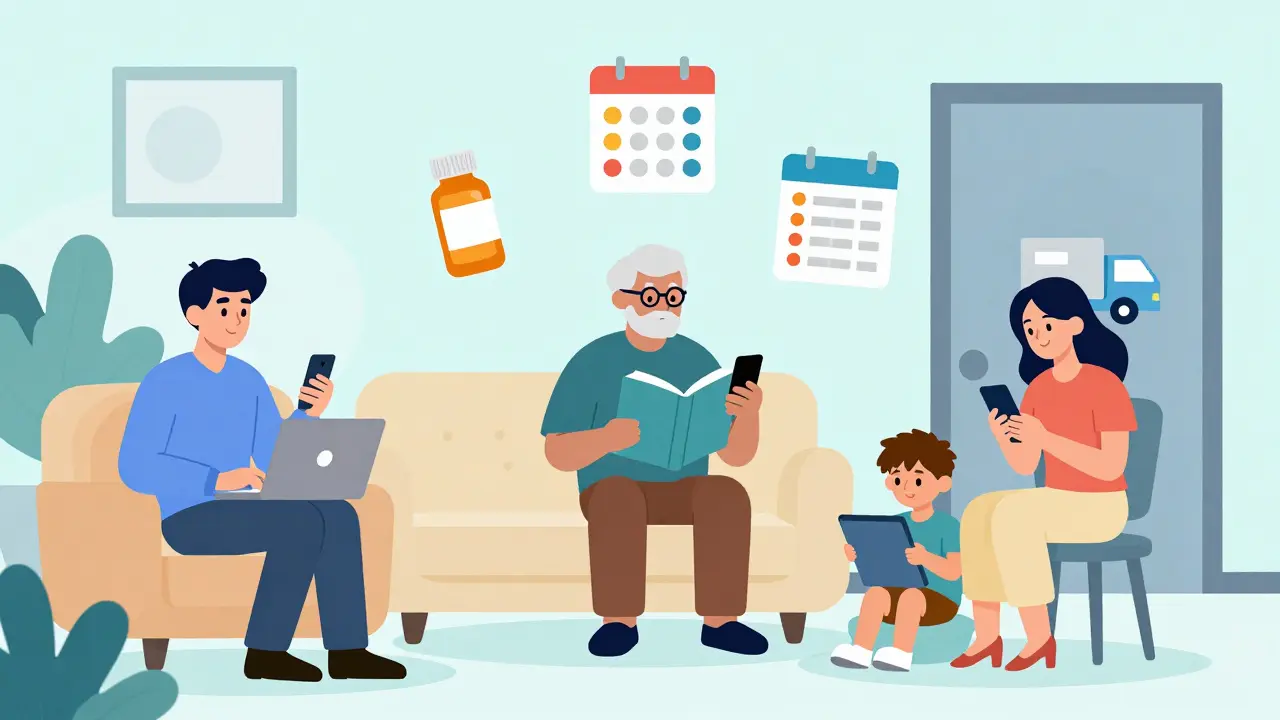
For most patients, however, the learning curve for using e-pharmacies is minimal. Platforms provide mobile access for price lookups, refill reminders, and automatic deliveries, ensuring you never miss a dose or overpay. The key is knowing when to use which channel. Use e-pharmacies for routine generics and long-term maintenance meds. Use retail pharmacies for urgent needs, complex therapies, or when you require face-to-face medical guidance.
Market Context and Future Outlook
The pharmaceutical market is undergoing significant consolidation and evolution. The Commonwealth Fund identifies four key factors affecting drug spending: increased pharmacy consolidation, challenges facing independent pharmacies, growth of specialty pharmacies, and the evolving role of mail-order/e-commerce platforms. As traditional retail chains face pressure from transparent online competitors, we can expect more innovation in pricing models.
The Congressional Budget Office’s October 2024 report confirms that prescription drug spending continues to grow, with the total retail market projected to surpass $690 billion by 2031. In this environment, cost-saving alternatives like e-pharmacies are not just convenient-they’re essential. Industry analysts predict that as more consumers discover the substantial savings available through platforms like GoodRx and Beem, traditional retail pricing models will be forced to adapt. The future of pharmacy care is likely hybrid, combining the affordability of online models with the accessibility of local services.
Is it safe to buy generic medications from e-pharmacies?
Yes, provided you use reputable platforms that partner with licensed pharmacies. Services like GoodRx, Beem, and Mark Cuban’s Cost Plus Drug Company work with accredited pharmacies to ensure medication quality and safety. Always verify that the platform is transparent about its sources and complies with regulatory standards.
Do I need insurance to use online discount pharmacies?
No. Most online discount platforms operate independently of insurance. They negotiate direct discounts with pharmacies, allowing you to pay a lower cash price without submitting claims or dealing with copays. This makes them ideal for uninsured patients or those with high-deductible plans.
How do e-pharmacy prices compare to insured retail copays?
For many generic medications, e-pharmacy prices are comparable to or even lower than insured copays. Studies show that for 76% of medications, the difference is less than $200 per year. For uninsured patients, the savings can exceed 80% compared to retail cash prices.
What types of medications are best suited for e-pharmacies?
Routine maintenance medications, such as blood pressure drugs, diabetes treatments, and cholesterol lowers, are ideal for e-pharmacies due to their predictable dosing and low need for immediate pharmacist consultation. Specialty drugs may still be more expensive online, though often cheaper than retail.
Will e-pharmacies replace traditional retail pharmacies?
Unlikely in the short term. Retail pharmacies offer immediate access and personal consultation, which remains valuable for acute care. However, e-pharmacies are gaining significant market share for routine prescriptions, suggesting a hybrid future where both models coexist based on patient needs.